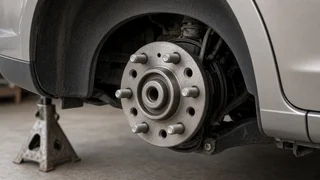
Chevy C10 Wheel Bolt Pattern
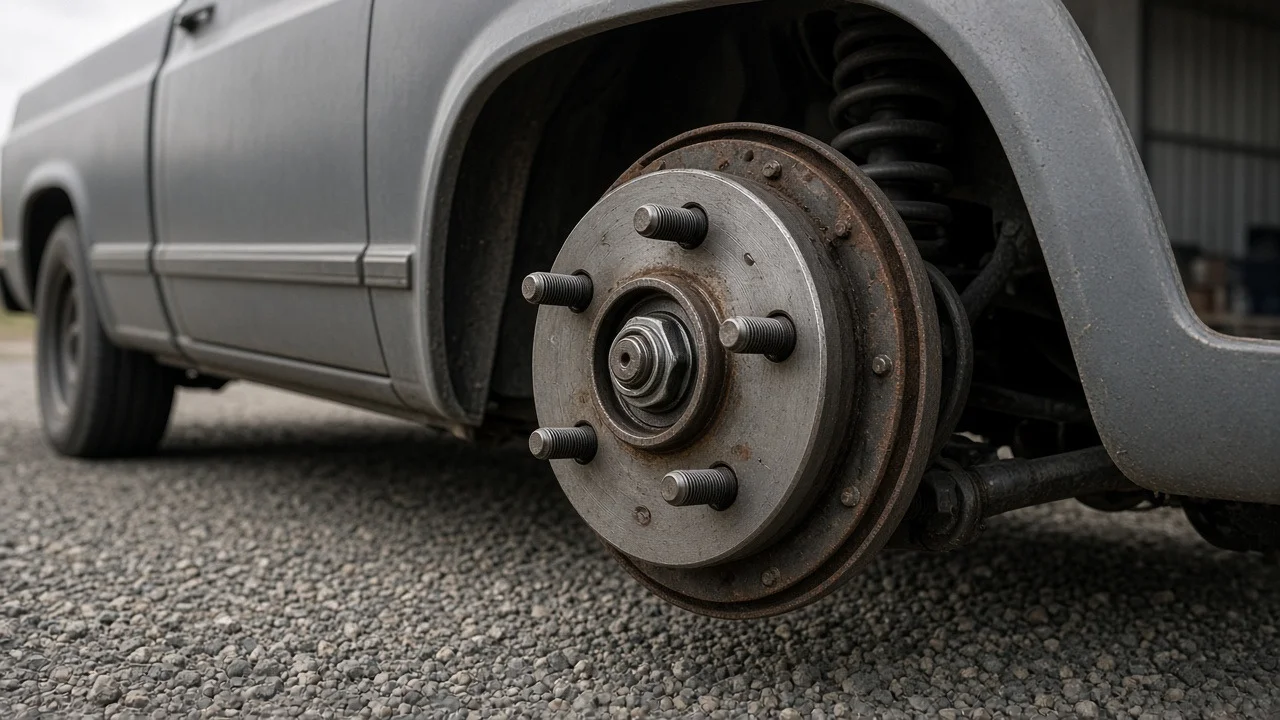
Wheel fitment questions can stop a restoration or tire swap before it starts, and the Chevy C10 pickup is a common case where owners need a clear starting point. The wheel bolt pattern describes the bolt circle that locates the rim on the hub, and this measurement works with wheel diameter, width, offset, and hub bore to determine whether a wheel fits safely. Because the C10 was produced across several model generations with changes in suspension and brake hardware, the useful answer includes the qualification that the specification can shift by model year and factory configuration.
Essential answer
The C10 wheel bolt pattern is commonly described as five lugs arranged on a five-inch bolt circle, often written as 5x5 or 5x127 mm in metric notation. The measurement refers to the diameter of an imaginary circle passing through the center of each lug hole, not the distance between adjacent studs. For many two-wheel-drive C10 half-ton pickups, this five-lug layout identifies the passenger-car-derived light-duty platform, which is useful when separating the C10 from heavier three-quarter-ton or one-ton trucks that used a different number of studs and a larger bolt circle.
Model year and factory configuration matter when verifying fitment. The first-generation C10 used a six-lug pattern on many examples, while later generations moved to the five-lug hub common on two-wheel-drive half-ton models. A factory coil-spring rear suspension truck can also differ from a leaf-spring or GMC-badged equivalent, so the broad answer should be confirmed against the specific hub or brake drum rather than assumed from the C10 name alone. Because the bolt circle interacts with stud size, wheel center bore, and seating surface, all of these details should be checked before mounting a replacement wheel.