Chevy Bolt EV Range by Model Year: 2017 to the Returning Bolt
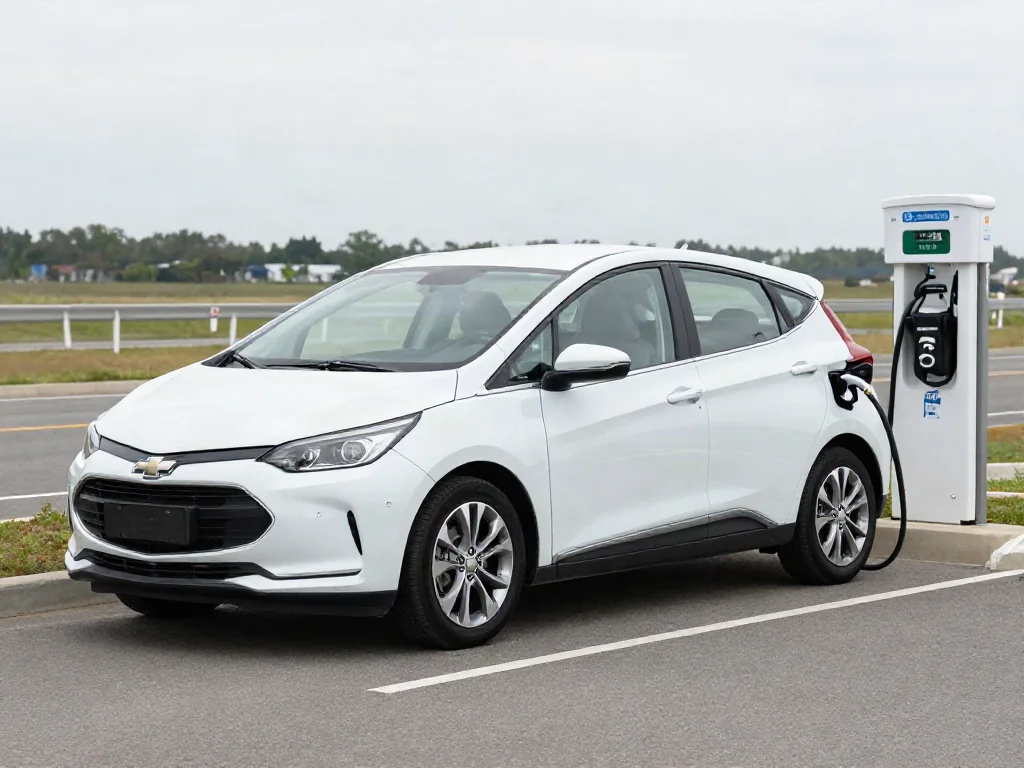
The Chevrolet Bolt EV range changed only once during its original production run, yet searches for a specific model year or trim still cause confusion. This guide covers the EPA-rated range for every Bolt EV from 2017 through 2023. It explains why real driving distance varies with conditions, and it shows what to check before trusting any range number for a 2026 or 2027 Bolt.
Understanding the Bolt EV’s Rated Driving Range
An EPA-rated range is a standardized estimate of how far a fully charged vehicle can travel. It is based on a defined mix of test cycles and adjusted to reflect typical driving. The rating lets shoppers compare the Chevy Bolt EV range against other electric cars on equal terms, but it is not a promise for every trip. The rating that applies depends on the exact vehicle, and model year matters most, so confirm the year before quoting any figure.
Keep the Bolt EUV out of this comparison. It is a separate, slightly larger model with its own EPA ratings, so an EUV figure should never be used in a Bolt EV range lookup. Inside the car, the estimated remaining range on the dashboard is something else entirely. It combines the current state of charge with recent energy use. It rises after gentle driving and drops after fast highway runs or heavy cabin heating.
2017–2019 Bolt EV Range and the 2019 LT
The original Bolt EV launched with an EPA-rated range of 238 miles, and that figure held for the 2017, 2018, and 2019 model years. Anyone checking the 2017 Bolt EV range, the 2018 Chevrolet Bolt EV range, or the 2019 Chevy Bolt EV range will find the same published number. The 2019 Chevrolet Bolt EV LT range is also 238 miles, which was the original published rating for that trim, so trim level does not change the answer for these early cars.
A used early Bolt will not necessarily travel 238 miles on a charge today. How far it goes now depends on battery condition, how full the pack is at departure, and operating conditions such as speed and temperature. If a car's history includes battery service, that record is useful context for buyers. But neither a service entry nor an optimistic dashboard estimate creates a new official rating. The published figure for these model years remains 238 miles.
2020–2021 Bolt EV Range for LT and Premier
For the 2020 model year, the Bolt EV's EPA-rated range rose to 259 miles, and the 2021 Bolt EV kept the same rating. That covers the trims shoppers compare most often. The 2020 Chevrolet Bolt EV LT, the 2020 Bolt EV Premier, and the 2021 Chevrolet Bolt EV Premier are all rated at 259 miles. The Premier's extra equipment did not come with a separate figure, so for these years the choice of trim is about features, not rated distance.
When shopping used, confirm the model year and trim from the vehicle's documentation rather than the listing headline. The title, the registration, an original window sticker if one survives, and a VIN decode all help show whether a car is a 2019 rated at 238 miles or a 2020 rated at 259. Also keep range separate from charging. The rated range says nothing about how fast the battery takes a charge, how long a session lasts, or how far a partly charged car can go.
2022–2023 Bolt EV Range and the 2023 1LT
The last two years of the original Bolt EV kept the 259-mile figure. The 2022 Bolt EV range and the 2023 Chevrolet Bolt EV range are both EPA-rated at 259 miles, even though the 2022 model got refreshed styling and an updated interior. The 2023 Chevrolet Bolt EV 1LT is also rated at 259 miles. Equipment differences between trims do not justify giving the 1LT a higher or lower official number.
Rated range assumes a full battery, so a car that leaves home partly charged has only part of that distance available. A Bolt charged to about half is not guaranteed half of 259 miles. It has roughly half of whatever distance current conditions allow, which could be noticeably less on a cold highway morning. Owners who routinely set a lower charge limit should plan trips around that reduced starting point, not the full EPA number.
What 2026 and 2027 Searches Mean for the Returning Bolt
Searches for a 2026 Bolt EV range or a 2027 Bolt EV range need a naming check first. The original Bolt EV ended with the 2023 model year. Vehicles also often go on sale in the calendar year before their model-year label, so a car arriving in 2026 may be sold as a 2027. Before accepting any figure, verify the returning vehicle's official name, which may drop the EV suffix, along with its model year and trim, since each can have its own published numbers.
Next, identify what kind of number is being quoted. An EPA rating, a manufacturer estimate, and a preliminary pre-launch target are not the same thing, and early coverage can blur them. Until an official rating is confirmed for a specific trim, treat the returning Bolt's range as unresolved rather than borrowing the older car's 259 miles. Once confirmed range and charging figures are published, they help with trip planning by showing how far the car goes between stops and how long those stops may take.
Planning Everyday Trips With a Bolt EV
Real-world Bolt EV range changes with conditions. Sustained highway driving raises energy use because aerodynamic drag rises quickly with speed. Cold weather cuts range through lower battery efficiency and the energy used for cabin heating. Hills, headwinds, and heavy air-conditioning use add more load. No single real-world mileage applies to every owner. To plan a familiar route, look at your recent efficiency, usually shown as miles per kilowatt-hour, together with the current state of charge and the dashboard estimate.
For longer drives, keep a comfortable reserve for arrival and check charging availability along the route, including backup locations, instead of planning to arrive nearly empty. Deliberately running the battery down adds risk with no real benefit. One low dashboard estimate after a cold, fast trip does not show battery degradation. If range keeps falling under similar driving, weather, and charging habits with no clear reason, have the battery and vehicle professionally tested, which can measure capacity and check for faults.