Chevy Bolt EV Battery: Capacity, Recall, Warranty, and Replacement Cost
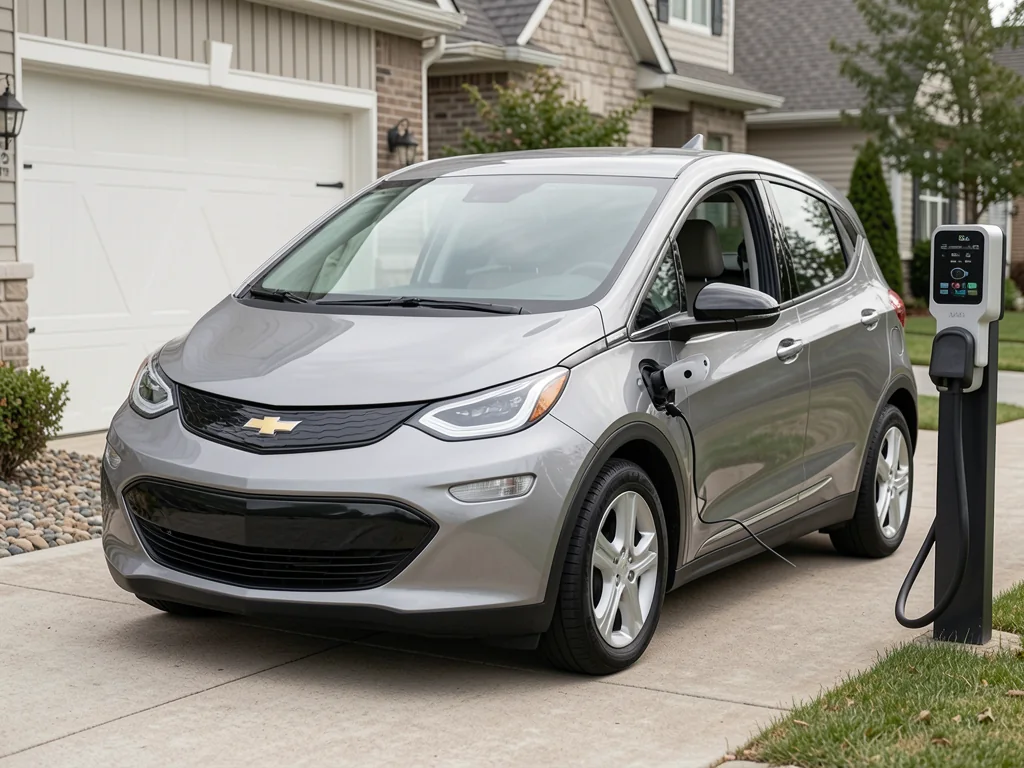
The Chevrolet Bolt EV high-voltage battery pack sits at the center of questions about pack size, recall work, warranty, and chevy bolt ev battery replacement. Advertised battery capacity in kWh changed across model years, and many cars later received new LG battery cells or another documented remedy. Understanding VIN recall status, replacement-pack warranty, and realistic replacement cost starts with the records for that specific vehicle.
Bolt EV Battery Capacity by Model Year and Replacement History
Chevrolet advertised the 2017 through 2019 Bolt EV traction battery at 60 kWh. For 2020 through 2022, Chevrolet materials listed a 66 kWh chevrolet bolt ev battery, and some 2023 specification sheets used a 65 kWh figure. That published bolt ev battery capacity is a pack energy rating, not the same as usable energy the control system actually allows, the dashboard state-of-charge percentage, or estimated driving range. Range still depends on temperature, speed, and climate control, so chevy bolt ev battery size on a window sticker cannot by itself predict a trip.
An older Bolt EV's original specifications also may not identify the battery currently installed. Recall work, later service, or a prior bolt ev battery replacement can leave a different module set or a different high-voltage battery pack in the car. Replacement records, battery identification documentation, and dealer or manufacturer inquiry by VIN are the reliable way to confirm what is in the vehicle today. This discussion covers only the traction pack. The separate 12-volt battery that supports accessories and control electronics is a different component and is outside this replacement discussion.
What the LG Battery Recall Means for an Individual Bolt EV
The documented LG-supplied battery recall grew from a fire-risk concern involving certain LG battery cells used in Chevrolet Bolt EV high-voltage packs. Not every model year or vehicle received the same campaign or the same remedy, so a neighbor's repair history is not a diagnosis of yours. VIN-specific manufacturer and dealer records establish which campaigns apply, whether work is outstanding, and what recall completion records already show. Checking VIN recall status before buying, selling, or scheduling service keeps the conversation tied to the car in front of you rather than to a headline about the lineup.
A completed campaign may involve battery module or pack work, a software-based remedy, or both, depending on the vehicle and the campaign. Recall completion is not proof that a new pack is installed; the repair order and parts documentation identify what was actually done. Owners should follow the manufacturer charging, parking, and operating guidance that applies to their VIN and current remedy status. Historical limits such as reduced charge targets or outdoor-parking advice were tied to particular campaign stages and should not be treated as universal current rules for every Bolt EV still on the road.
Battery Litigation and Settlement Eligibility
Chevrolet bolt ev battery litigation grew from claims about pack defects, fire risk, reduced use during the recall period, and related losses. Those claims are not court findings of fact, and a lawsuit caption does not prove what happened to any one chevy bolt ev battery. A bolt ev battery settlement may create a claims process for some owners or lessees, but settlement eligibility, benefits, procedures, and deadlines depend on the governing documents and the case's procedural status. As of September 2026, those papers, not news summaries, control who can claim and what remains open.
Readers who want to evaluate a claim typically need the VIN, ownership or lease dates, repair history, and any software-installation documentation tied to the recall or later battery work. A completed recall remedy does not automatically establish settlement eligibility or guarantee a payment; class definitions, excluded vehicles, and proof requirements are separate from campaign completion. Keep copies of repair orders and correspondence, and read the operative settlement notices rather than assuming a neighbor's payment applies to your car. Dates, transfer of ownership, and prior reimbursements can all change whether a particular Bolt EV still qualifies.
Warranty Coverage After Battery Replacement
In the United States, Chevrolet's published new-vehicle terms for the Bolt EV high-voltage battery have commonly been eight years or 100,000 miles, whichever occurs first, for the vehicle's model year booklet. That bolt ev battery warranty is a starting point, not a substitute for the booklet that matches the car. Covered conditions typically address defects in materials or workmanship on the specified high-voltage components. Battery degradation from ordinary use is not automatically the same as a warrantable defect, and a lower dashboard range under cold weather or highway driving does not, by itself, prove a covered failure.
When a recall replacement or repair installed a different pack or modules, the warranty that travels with that work can differ from the original booklet. Confirm the replacement-pack warranty in writing: start date, mileage basis, covered components, transfer provisions, and exclusions. Coverage for a documented battery defect is not a promise that every reduction in capacity will be paid. An owner can request remaining-coverage confirmation from the dealer warranty record and the repair order, then keep that paperwork with the vehicle so a later buyer or service advisor is not guessing from a window sticker.
When a Bolt EV Battery May Need Replacement
A Bolt EV may receive battery service for several distinct reasons: recall-directed work, a diagnosed malfunction, capacity loss that a shop has evaluated, or physical damage from a collision or underbody strike. Those paths should not be blended. Safe observations worth writing down include warning messages, interrupted charging, a reduced charge limit, thermal or isolation alerts, and a clear change in range under similar weather, speed, and climate-control conditions. Dashboard range alone cannot establish battery health or justify chevy bolt ev battery replacement, because temperature, driving style, accessory load, and tire pressure all move that number.
Qualified service personnel use battery diagnostic software, stored messages, charging history, and related system checks to decide whether the appropriate scope is inspection, a control update, a module-level repair where authorized, or a full pack replacement. A fault code is evidence to interpret, not proof a pack has failed, and manufacturer-dependent codes still require vehicle-specific confirmation. Owners should not open the pack or take high-voltage measurements. If the vehicle shows smoke, unusual heat, a burning odor, or a warning that instructs the driver to stop, stop charging or driving and seek urgent assistance.
What Determines Bolt EV Battery Replacement Cost
Chevy bolt ev battery replacement cost depends first on who is paying. Covered recall work, an approved warranty repair, and an owner-paid replacement are different bills, and coverage must be established before anyone can estimate out-of-pocket expense. An itemized replacement estimate should identify the proposed battery assembly or authorized repair scope, labor, diagnostics, programming, taxes, and any core charge or credit. It should also state the proposed battery's condition, verified vehicle compatibility, included work, and the parts-and-labor warranty. Without that breakdown, a single quoted number hides whether the shop is replacing a pack, repairing modules, or only updating software.
Collision damage, related cooling or charging-system repairs, pack availability, and shop location can move the final invoice even when the traction battery itself is ordered as the same assembly. An online battery listing or another owner's invoice cannot establish this vehicle's installed replacement cost, because labor rates, programming, taxes, core policy, and the actual pack supplied all differ. Ask for a written estimate tied to the VIN, then compare it against recall and warranty coverage already on file so you are not paying for work the manufacturer still owes.