Chevy Blazer EV Range by Model Year, Trim, and Drivetrain
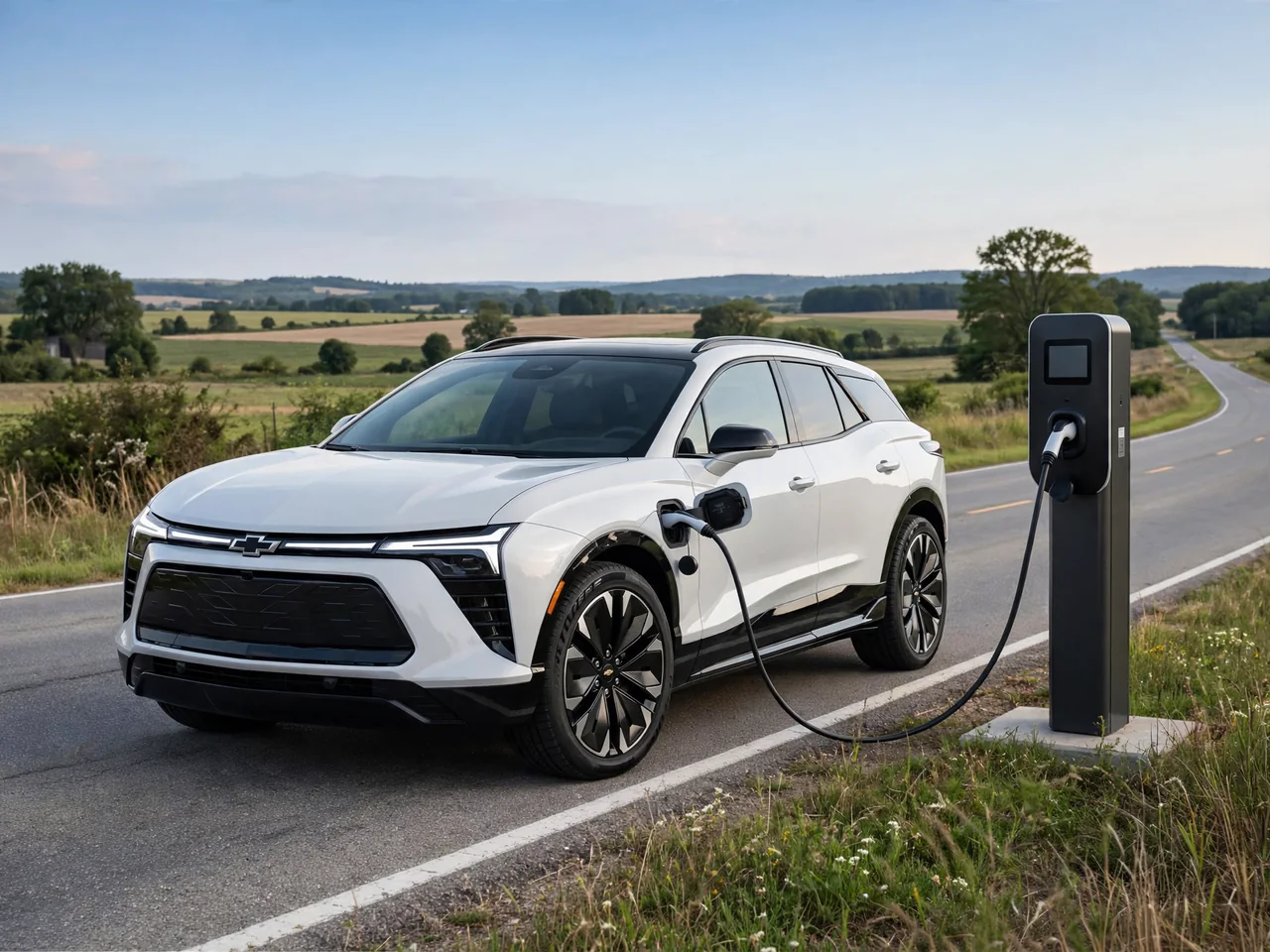
Chevrolet Blazer EV range is not a single number. EPA-estimated miles change with model year, trim level, and drivetrain, so a 2024 Chevy Blazer EV, a 2025 Chevrolet Blazer EV, and a 2026 Chevy Blazer EV can each carry different ratings. Real-world distance also depends on battery charge level, energy consumption, highway driving, and cold weather. Matching the vehicle's configuration to its published rating is the first step before planning charging stops.
Finding the Range Rating for Your Blazer EV
The Chevrolet Blazer EV range published for marketing is an EPA-estimated figure tied to a full charge on a specified configuration. Model year, trim level, and drivetrain together identify which rating belongs on a given vehicle, because all-wheel drive, rear-wheel drive, and front-wheel drive packages are not interchangeable for this purpose. An advertised maximum should stay attached to the configuration that earned it. Applying that ceiling to every EV Blazer range claim mixes unlike vehicles and produces a misleading expectation.
The window sticker confirms that configuration and the EPA-estimated range that belongs with it. It records model year, trim, and drivetrain so a shopper can match a 2024 Chevy Blazer EV or a later example to the correct rating instead of a generic Blazer EV range claim. The cluster's remaining-miles readout reflects battery charge level, recent energy consumption, and current conditions rather than the standardized full-charge test that produced the label.
2024 Blazer EV Range and RS AWD Details
A 2024 Blazer EV range figure is meaningful only when it is paired with the trim and drivetrain that earned the EPA-estimated miles. The 2024 Chevrolet Blazer EV RS range is not one shared number for every RS. The 2024 Blazer EV RS AWD rating belongs to the all-wheel-drive RS specifically, and a 2024 RS with another confirmed drivetrain carries its own certified miles. Treating the RS badge as a complete specification collapses those distinctions.
When a used listing quotes a 2024 Chevy Blazer EV range without naming the drivetrain, the figure cannot be verified until the configuration is identified. Window-sticker language, a build sheet, or the vehicle identification details that show all-wheel drive versus another layout resolve whether the claim matches the 2024 Blazer EV RS AWD rating or a different 2024 Chevrolet Blazer EV RS range. Until that match is made, the advertised miles should be treated as incomplete rather than as a substitute for the EPA label.
2025 Blazer EV Range by Available Configuration
Confirmed 2025 Blazer EV range ratings belong only to the trim and drivetrain combinations actually offered that year. A 2025 Chevy Blazer EV range claim that omits those details cannot be checked against the EPA-estimated range for that vehicle. Any advertised 2025 Chevrolet Blazer EV maximum-range figure applies to a specified configuration, not to every 2025 example. Shoppers should keep that pairing intact so a long-range layout is not assigned to a different 2025 drivetrain or trim.
A 2025 Chevrolet Blazer EV range number should be labeled as an EPA rating when it has completed that certification, and as a manufacturer estimate when it has not. Those figures are not interchangeable. Carryover from a 2024 Chevy Blazer EV range rating is unreliable because available trims and drivetrains can change by model year. The 2025 vehicle needs its own documented rating rather than an assumed figure copied from another year.
2026 Blazer EV Range Ratings
A 2026 Blazer EV range statement is useful only when it names the exact trim and drivetrain offered that year. The 2026 Chevy Blazer EV range for one layout does not automatically describe another, even if both share the Chevrolet Blazer EV nameplate. Where a published figure has completed EPA certification, that status should stay attached to the number. Where a rating has not been issued for a 2026 configuration, the miles remain unresolved rather than filled in from an earlier model year.
A published 2026 maximum-range figure usually carries equipment qualifications, such as a particular drivetrain or wheel package, and those conditions are part of the rating. Removing them turns a configuration-specific Chevrolet Blazer EV range claim into a generic promise. On a 2026 sales listing, the window sticker and documented configuration confirm whether the advertised miles match that qualified rating. If the sticker is missing, the listing's range claim should wait until the build can be verified.
Identifying LT, RS, and AWD Range Specifications
Blazer EV LT range depends on model year and the confirmed drivetrain for that LT, not on the LT name alone. A 2024, 2025, or 2026 LT can sit on different certified miles if the available drive layouts change. Blazer EV RS range works the same way: the RS badge identifies a trim, not a complete range specification. The 2024 Chevrolet Blazer EV RS range and later RS ratings still need drivetrain identification before the EPA-estimated miles can be assigned.
Blazer EV AWD range is a drivetrain result inside a trim and model-year specification, not a standalone Chevy Blazer EV AWD range rating that covers every all-wheel-drive example. Questions about Blazer EV range with AWD should name the year and trim so the correct EPA figure can be located. Wheel or equipment details belong in that specification only when their effect is documented for that configuration. Without that documentation, larger wheels or extra equipment should not be treated as an unofficial adjustment to the certified miles.
Blazer EV SS Range and Everyday Use
Chevy Blazer EV SS range must be attached to a confirmed model year and production configuration. The Blazer EV SS range for one year is not automatically valid for another if motors, gearing, or equipment change. A Blazer SS EV range figure that remains a preliminary manufacturer estimate should keep that label rather than being treated as a completed EPA rating. Mixing an estimate with a certified figure makes the SS look more settled than the documentation supports.
Repeated hard acceleration and sustained high speeds raise energy consumption on an SS, so the distance available from a given battery charge level can fall well short of the label. Highway driving at a steady elevated pace, plus cabin heating in cold weather without cabin preconditioning, adds further load. An SS trip plan should start from the applicable rating, then subtract for those conditions and leave an arrival reserve. That reserve is a planning buffer, not a claim that the SS has failed to meet its EPA-estimated range.
Planning Real-World Miles Between Charging Stops
Highway speed, outside temperature, cabin heating or cooling, elevation, wind, and cargo all change energy use between charging stops. Cold weather is especially demanding because the cabin and battery both draw power, and cabin preconditioning while plugged in can reduce that first-miles penalty. A Chevrolet Blazer EV range rating assumes a standardized mix, so a long highway driving day at higher speed typically uses more energy per mile than the label implies. Planning should treat those variables as expected, not as faults.
Starting charge and the intended arrival reserve determine the usable portion of a full-charge estimate. As a clearly hypothetical example, a driver who leaves at 80 percent and wants 20 percent remaining is working with about three-fifths of the verified configuration rating, not the entire EPA-estimated range. Recent energy consumption and navigation estimates help refine that plan. Persistent unexplained range loss that remains after charge level, weather, and driving style are accounted for warrants a professional assessment rather than a parts guess.