Chevrolet EV Range: Spark EV, Volt, Bolt and Electric Trucks
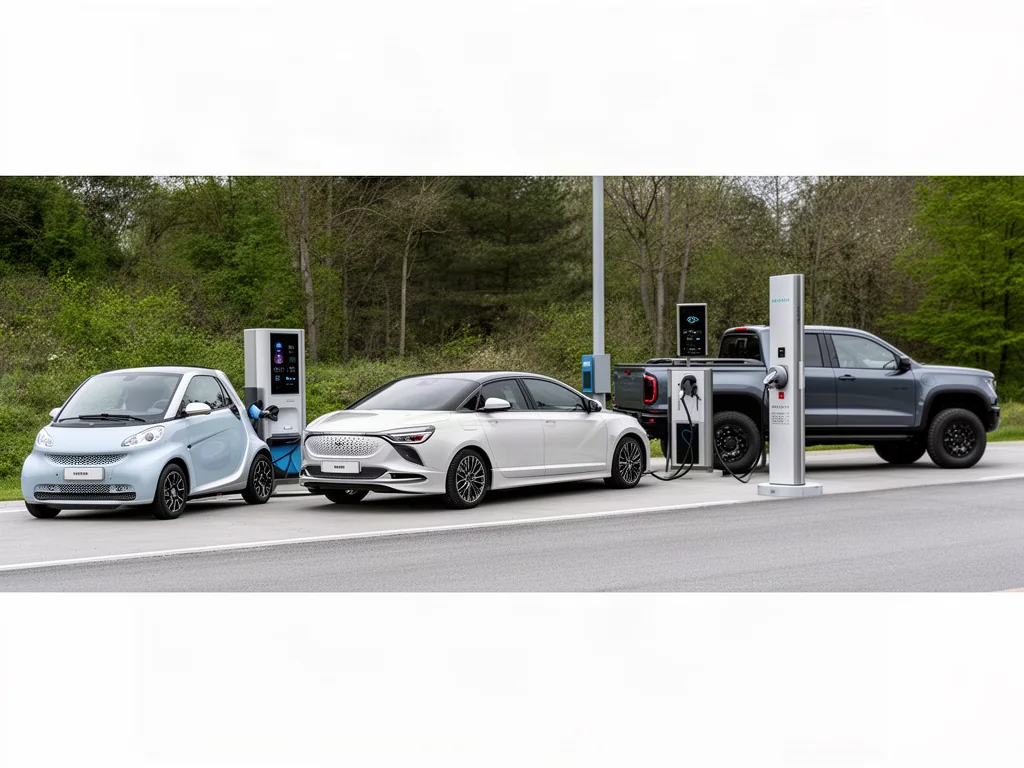
Chevy EV range varies widely depending on which vehicle you mean. The compact Spark EV, the Volt plug-in hybrid, the Bolt EV and Bolt EUV, and the newer electric trucks were each rated for specific model years and configurations. This guide explains the EPA-estimated range figures for Chevrolet's past models. It also shows how to turn a rating into a realistic plan for daily driving and longer trips.
How to Read Chevrolet Electric Range Figures
Chevrolet has offered two distinct kinds of electrified vehicle. The Spark EV and the Bolt family are battery-electric vehicles, so every mile comes from the traction battery, and the trip ends when usable charge runs out. The Volt is a plug-in hybrid. It drives on stored electricity for its electric-only range, and then a gasoline engine lets the car continue. That difference matters when you compare figures. A Chevrolet Volt EV range number describes only part of what the car can do, while a Spark or Bolt rating covers the whole distance before recharging.
A published EPA range rating applies to a specific model year and configuration tested under a standardized procedure. It is not a promise for every charge. Owners deal with three separate numbers: the rated range, the dashboard range estimate that shifts with recent driving, and the distance they actually cover. Several of the vehicles discussed here are no longer sold new. Treat this guide as a historical reference and a set of range-planning principles, not a list of vehicles you can buy new today.
Spark EV Range and What a Used Example Can Deliver
The U.S. Chevy Spark EV was sold for the 2014 through 2016 model years, and its EPA-rated range was 82 miles on a full charge. That figure suited the car to commuting and errands rather than long highway runs. If you're shopping for a used example, remember that the rating described the car when it was new. Battery condition after years of use, outside temperature, sustained speed and cabin heating all affect how much of that Chevrolet Spark EV range a particular car can still deliver.
A test drive can give you useful clues if you do it safely. Note the starting state of charge and the displayed range. Then drive a mixed route and record the actual distance traveled and how much the charge dropped. Keep a comfortable reserve instead of running the battery low to prove a point. The dashboard estimate reflects recent driving habits, so it can't establish battery health by itself. If the purchase depends on remaining capacity, a professional battery assessment with proper diagnostic equipment gives a far more reliable picture.
Volt Electric-Only Range by Model Year
The Chevy Volt EV range, meaning its electric-only EPA rating, changed over the model's life. U.S. models were rated at 35 miles for 2011 and 2012, 38 miles for 2013 through 2015, and 53 miles for the redesigned 2016 through 2019 cars. These numbers describe the distance available from a charged battery before the car turns to gasoline. Total driving range is much longer because the engine takes over when the battery reaches its lower operating limit. A depleted pack alone rarely leaves a Volt owner stranded.
Drivers sometimes notice the gasoline engine running even though the battery still has charge. Under certain temperature or system conditions, the Volt may start the engine even with charge left, so electric-only driving isn't guaranteed on every trip. To judge whether a daily route can stay electric, compare its length with the rating for your model year. Then allow for winter weather, highway speed and a practical reserve. Reliable home or workplace charging often matters more than the rating itself for keeping gasoline use low.
Bolt EV and Bolt EUV Range Ratings
The Bolt EV carried an EPA rating of 238 miles for the 2017 through 2019 model years, rising to 259 miles for 2020 through 2023. The slightly larger 2022–2023 Bolt EUV was rated at 247 miles. Keep the model name and year together when you compare listings, because an EV and an EUV from the same year carry different ratings. For any Bolt-badged vehicle outside these model years, look up the official rating for that exact year. Don't assume the older figures carry over.
A full-charge rating is a sensible starting point for route planning, but few trips begin at 100 percent state of charge or end with an empty battery. Estimate usable distance from the charge you actually have. Then adjust for highway speed, temperature, terrain and climate-control use. Pick out charging stops before you leave, and confirm that stations along the route work with your vehicle and are likely to be operating. Building those checks into the plan keeps the rated figure useful instead of misleading.
What Chevrolet Electric Truck Range Estimates Tell You
Searches for Chevy EV truck range, or Chevy truck EV range, usually concern the Silverado EV. The honest short answer is that range depends on model year, battery configuration and trim. Different versions carry different EPA estimates, so no single number describes every truck. Detailed Silverado EV figures are covered separately, and the Equinox EV is outside the scope of this article. This section looks at how truck-specific factors change what any range rating means in real-world use.
Towing a trailer, carrying a heavy payload, driving at sustained highway speed and running in cold or windy weather can all cut trip distance substantially. The effect varies too much to reduce to a fixed percentage. When towing, plan charging stops where the truck and trailer can fit and maneuver, because some stalls lack pull-through space and may require unhitching. Keep enough charge in reserve to handle traffic delays, detours, or a charger that is occupied or out of service.
Turn a Range Rating Into a Practical Driving Plan
Available trip distance starts with two numbers: the charge in the battery when you leave and the reserve you want left when you arrive. Subtract the reserve first. Then estimate how far the remaining energy will carry the vehicle. The vehicle's recent energy-use information, often shown as efficiency over recent miles, is a better guide than the rated figure because it reflects how you actually drive. Even so, treat the dashboard range estimate as a moving projection, not a promise.
Route conditions refine the plan further. Sustained highway driving, long climbs, cold-weather driving and heavy cabin heating or cooling all increase energy use. When several of these apply at once, plan to charge earlier. If range drops persistently without an obvious explanation, or a battery warning appears, have the vehicle checked by a qualified technician. High-voltage systems carry serious electrical hazards, so no matter which model you drive, never open or repair them at home.