Charging an Electric Car Without a Driveway: Apartments, Condos and Work
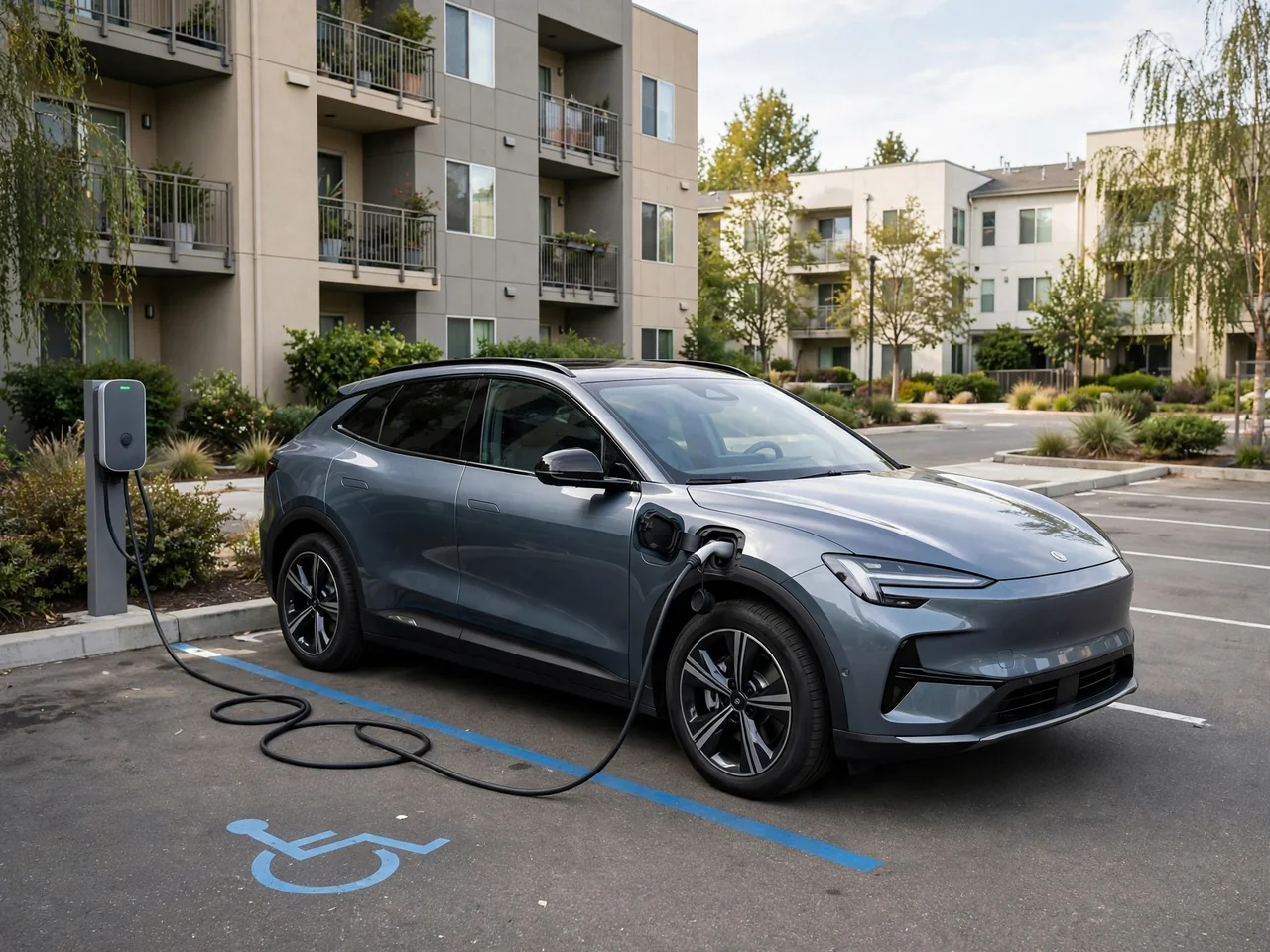
Living without a driveway does not have to block electric car ownership. Apartment electric car charging, condo electric car charging, and electric car charging at work can cover weekly energy needs when you match driving distance to reliable charging access. Shared charging, assigned parking, and public charging all play a role. The goal is a repeatable routine with a backup, not a daily full charge at a private stall.
Build a Charging Routine Around Your Parking and Driving
Charging an electric car in an apartment starts with how far you actually drive, not with topping the battery every night. Estimate weekly miles, then convert that into energy using the vehicle's typical consumption in similar weather and speeds. Overnight parking time only helps if a charger is actually available during those hours. Many drivers cover a workweek with two or three longer sessions. Short trips around town may need even less, while highway commuting, heat, and cold raise energy use and make charging windows more important.
Map usable charging access near home, work, grocery stops, and other regular destinations, including operating hours and how far you must walk after parking. A workable routine needs at least one reliable stall plus a backup when shared charging is occupied, restricted, or out of service. Charging an electric car with no driveway does not mean running an extension cord from an apartment window or across a sidewalk; those setups create trip, weather, and overload hazards. Any proposed electrical connection at the building requires landlord approval or HOA approval and a qualified assessment of electrical capacity.
Verify What an Apartment’s Charging Amenity Actually Includes
Apartments with electric car charging stations can look complete in a listing and still be unfinished, reserved for a subset of residents, or frequently offline. Visit the stalls, confirm they are installed and operating, and ask who may use them. Confirm connector support for your vehicle, how access credentials are issued, whether assigned parking is required, and whether reservations or time limits apply. Ask how many chargers exist relative to electric car owners and what happens when every stall is taken. Planned electric car charging stations for apartments are not the same as charging you can use tonight.
Cost is often split across parking, electricity, charging sessions, and idle fees if the vehicle remains connected after charging ends. Ask whether resident billing is metered, bundled into rent, or billed through an app, and whether guests can use the same hardware. If you are evaluating apartments for rent with electric car charging, obtain the charging terms in writing before signing, including who may park, hours, session limits, fees, and outage procedures. Marketing language about an apartment with electric car charging is not a lease promise unless the document says so.
Request Apartment Charging Through the Property Manager
If the building lacks apartment electric car charging, a request to the property manager works better when it is specific. Describe your parking arrangement, typical weekly energy use, preferred hours, and whether other residents have expressed interest. Documented demand for electric car charging stations at apartments can help management justify electrical capacity work. Property management still must handle authorization, a qualified electrical assessment, installation planning, and any permits. You can describe the need; you cannot assume the right to attach hardware to building wiring or common parking without that process.
Ask who would fund installation, how electricity would be billed, who holds the charging account, and who maintains the equipment. Clarify what happens when a resident moves: whether the charger stays with the stall, is reassigned, or must be removed. Lease language, building rules, and local requirements can support or limit a request, so there is no universal right to install charging. Shared charging with resident billing is often easier for a rental community than individual hardwired stations in unassigned lots, but that choice belongs to the owner after professional review.
Resolve Condo Parking Rights and HOA Approval
Condo electric car charging depends first on who controls the parking space and the common areas around it. An assigned stall you own or have exclusive use of is a different case from a shared lot where the association owns every space. Routing a circuit through walls, garages, or landscaping usually involves common property, which brings HOA approval even when the stall is yours. A board typically wants a professional proposal, a clear path for conduit, confirmation of electrical capacity, and a billing arrangement that does not dump unmetered electricity onto the association.
Get written terms on who owns the charger, who maintains it, what insurance is required, and who must remove it if the unit is sold. Electric car charging in condos often continues after a sale only if those obligations transfer cleanly. Shared charging stations for condominiums also need charging etiquette: reservation rules, access credentials, moving the vehicle when a session ends, and a contact path during outages. Governing documents and local requirements vary, so electric car charging stations for condos may be association-owned, owner-installed, or a mix, and each model needs different approvals.
Make Workplace Charging Fit Your Actual Schedule
Electric car charging at work can fill a large share of weekly energy if you are eligible, can reach the stalls during site hours, and can stay long enough for a useful session. Confirm employee access, visitor restrictions, payment or workplace charging accounts, connector support, and any session limits before you rely on it. Typical attendance may add a meaningful charge without completing a full recharge, especially if stalls are shared. A long work block on a moderate charger can cover commuting for several days, while a short visit may only replace a single round trip.
Treat workplace charging as shared infrastructure. Follow reservation rules, move the vehicle when a session ends or a notice requires it, and use only approved ways to coordinate access rather than informal blocking of stalls. Build a backup for remote workdays, vacations, site closures, and occupied chargers so workplace access is never the only path. Combining apartment charging, public charging, and occasional workplace sessions is usually more resilient than depending on one lot. If your commute energy exceeds what a typical shift can restore, schedule a second location before the battery runs low.
Keep a Practical Public Charging Backup
Public charging is the safety net when apartment charging and workplace stalls are full or closed. Before you depend on a site, check operating hours, parking restrictions, compatible connections, payment methods, and recent operational status rather than an outdated map pin. Session time depends on the vehicle's supported charging rate, battery condition, temperature, and what the charger actually delivers. Advertised maximum power alone cannot predict how long you will wait. A cold battery, a high state of charge, or a shared cabinet can all slow the session even when the stall looks fast on paper.
Budget the full visit, not just the energy. Travel time, a queue, parking charges, session fees, and idle fees after charging ends can make a nearby slower stall cheaper and more usable than a distant fast site. Identify a second usable location and keep enough charge to reach it, with the reserve sized to the route, weather, traffic, and detours. Charging an electric car at an apartment remains more convenient when it works, but public charging keeps the week intact when home or work access fails.