Charging an Electric Car at Home: Outlets, Wall Boxes, and Kits
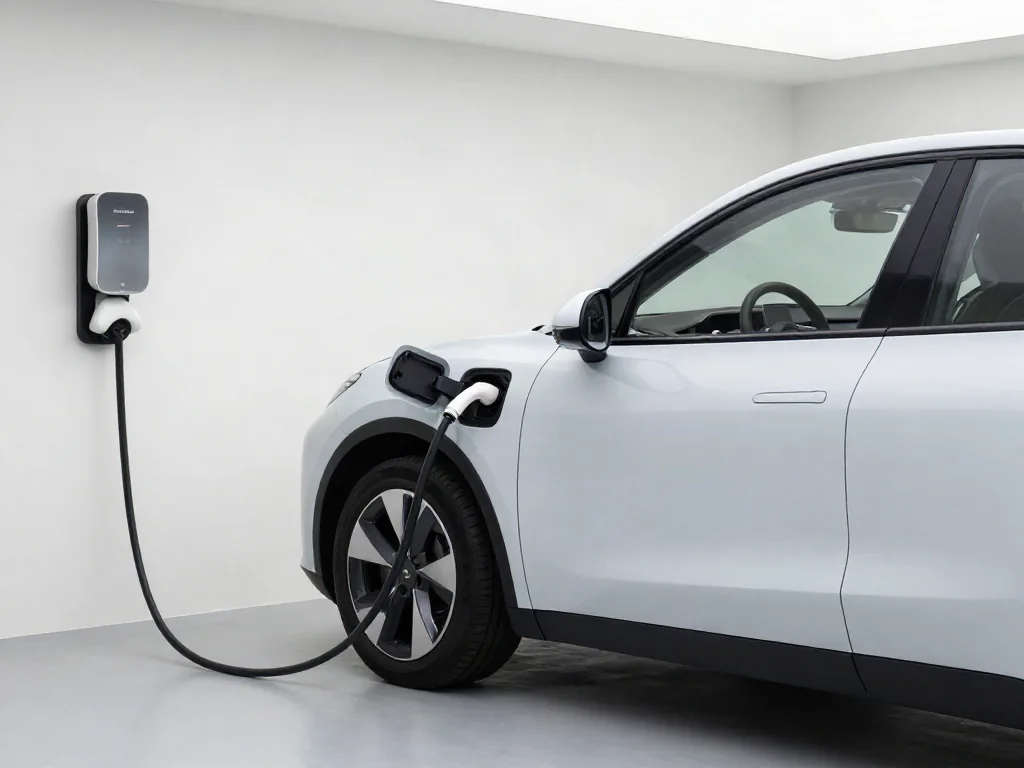
Charging an electric car at home can be as simple as plugging a portable cord into a suitable outlet or as capable as a permanently mounted wall unit. The right choice depends on how far you drive, how long the car sits parked, what your electrical supply can safely deliver, and what your vehicle accepts. Here is how the main options compare.
How Charging an Electric Car at Home Works
Home charging equipment does not charge the battery directly. It delivers alternating current from your home's supply to the car, and the vehicle's onboard charger converts that AC into the direct current the battery stores. The equipment between wall and car, formally called electric vehicle supply equipment, communicates with the vehicle, confirms a safe connection, and signals how much current is available. In the US, Level 1 describes charging from a standard 120-volt outlet, while Level 2 uses a 240-volt supply.
Neither level promises a fixed speed. Energy added depends on the lowest limit in the chain: what the circuit and equipment supply, what the onboard charger accepts, how full and how warm the battery is, and how long the car stays plugged in. Many vehicles also slow down as the battery nears full. A sensible routine is to connect, confirm on the dashboard or app that a session has actually started, and use the car's approved scheduling and charge-limit settings to time charging around departure.
Using a Regular Household Outlet
Many EVs come with or support a portable charging cord that plugs into a US 120-volt household outlet, the simplest form of Level 1 charging. However, an outlet in your garage says little about whether it can handle hours of continuous load. Older receptacles, worn contacts, shared circuits, and unknown wiring can all cause trouble under sustained current, so having an electrician assess the outlet's condition and circuit before relying on it is a reasonable step.
Whether outlet charging is enough is something you can observe: compare the energy a typical day uses against what the car gains during your usual overnight window. If the battery keeps drifting lower through the week, the outlet is not keeping up. Plug the cord directly into the outlet rather than using extension cords, power strips, or unapproved adapters. If a plug or outlet feels hot, shows discoloration or damage, or the breaker trips repeatedly, stop using it and have a professional investigate.
Do You Need a Dedicated Home Charging Point?
A wall-mounted unit is not mandatory for every owner. If you have a safe power supply your vehicle can use, and your daily driving is modest relative to your time parked at home, outlet charging may cover your needs. The practical test is estimating how much energy you typically use each day and whether you can recover it during the hours the car normally sits at home. Drivers with long commutes, short overnight windows, or two EVs often find a dedicated Level 2 point makes more sense.
Parking access matters as much as electricity. Home charging works best with reliable off-street parking where the cable reaches the car every time. Renters, condo owners, and people in shared buildings also need permission to use an outlet or add equipment, since the electrical supply and parking space may belong to someone else. When you are unsure whether your panel, circuit, or parking arrangement can support charging, an electrician's assessment is what establishes which options are genuinely feasible.
What a Home Charging Station or Wall Box Provides
Charging station, charge point, and wall box are largely interchangeable names for a fixed unit that supplies power to an EV. Technically, the unit is electric vehicle supply equipment: it does not convert power for the battery but controls when power flows, monitors for faults, and tells the car how much current it may draw. Residential Level 2 equipment in the US runs from a suitable 240-volt supply and must use a connector and configuration that match your vehicle's charging requirements.
Beyond delivering power, many units add conveniences such as status lights or app notifications showing session progress, scheduling to target off-peak hours, access controls that prevent unauthorized use, and an integrated holster or cable wrap. Not every unit includes all of these, so compare features against what you actually need. Remember too that a unit's advertised output is a ceiling, not a guarantee. If your car's onboard charger accepts less, it charges at its own limit, so check both vehicle and equipment specifications.
What to Check in a Home Charging Kit
Home charging kits are not standardized, and the label can describe very different packages. One might be a portable charging unit with a single plug; another might include interchangeable manufacturer-approved plug accessories, a separate cable, or mounting hardware for a wall bracket. Start by checking what came with your vehicle, since some models include a portable cord and others do not, then read exactly what the kit contains rather than assuming the product name describes a complete solution.
Confirm that the kit's connector matches your vehicle's charge port or uses an adapter the automaker approves, and that its rated supply matches the outlet or circuit you plan to use. Look for recognized safety certification and note whether the equipment is rated for indoor use only or for outdoor exposure. Importantly, owning a kit does not make your home's outlet or circuit suitable. Electrical suitability is a separate question that needs its own assessment, ideally by a qualified electrician.
Planning a Practical Garage Charging Setup
A good garage setup starts with where the charge port sits on your car and how you normally park. A port on the front fender, rear quarter panel, or nose changes how far the cable must reach and which wall suits the equipment. Aim for a position where the cable reaches the port with some slack, without stretching across the hood or hanging under tension, which strains both the connector and the point where the cable enters the unit.
Route the cable clear of walking paths, the garage door's travel, and storage areas where bikes, tools, or bins could pinch or crush it, and hang it up when not in use. Periodically look over the cable and connector for cuts, flattened sections, or damaged pins, and store the connector as the manufacturer directs. If you charge on the driveway, use equipment rated for outdoor exposure, never run the cable under a closing door, and avoid improvised weather covers.
Home Charging Details for UK Readers
Readers in the UK will see slightly different vocabulary. A domestic charge point is the equivalent of a home charging station, and wallbox usually refers to the same kind of permanently mounted unit. The bigger difference is electrical. UK domestic supplies are typically nominal 230 volts, so US guidance built around 120-volt Level 1 outlets does not transfer directly, and charging speeds, plug types, and equipment ratings described for American homes should not be assumed to apply.
Charging from a standard domestic socket is possible with suitable manufacturer-approved equipment, but it still requires confirming that the socket and wiring are appropriate for long periods of load. As in the US, the presence of a household socket is not proof of suitability. Before committing, confirm your vehicle's connector requirements, secure permission if the property or parking is rented or shared, and check applicable electrical requirements with a qualified local installer who can advise on the setup that fits.