Cequent Trailer Brake Controller
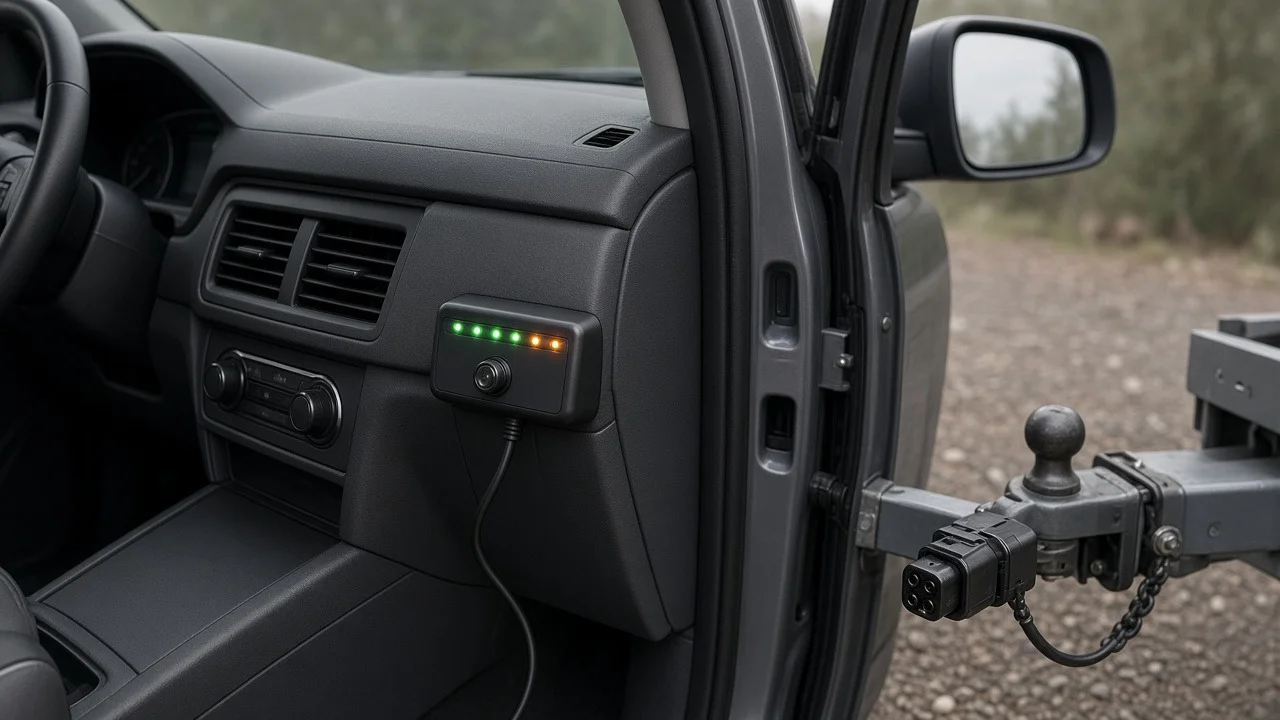
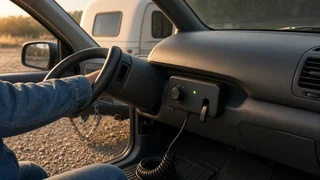
A Cequent trailer brake controller is part of the electrical command path between a tow vehicle and trailer brakes, converting driver intent at the dash into measured braking at the trailer axles. Choosing one means matching controller type, mounting needs, trailer brake configuration and tow-vehicle wiring before purchase. The following information focuses on what to check during selection and buying so the controller works with existing brake components, brake fluid condition, caliper response, friction material, brake rotors and vehicle fitment.
The direct answer
For most shoppers, the immediate answer is that a Cequent trailer brake controller must be selected by brake type, trailer weight range, wiring connection and mounting location. A time-delayed controller uses a solid-state inertial sensor to apply trailer braking after a set delay, while a proportional controller responds to deceleration from the tow vehicle and usually delivers smoother stops with heavier trailers. Confirm which style matches your use before comparing part numbers.
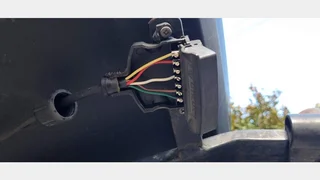
Vehicle fitment matters because trailer brake output depends on a reliable brake signal, clean ground and proper power feed. Existing tow package wiring can simplify installation, but the controller still needs a compatible harness or adapter. Check whether the trailer uses electric drum brakes or electric-over-hydraulic actuation, and verify the controller can handle the number of axles. Do not treat a stored fault code as automatic proof that the controller has failed; connector voltage, ground quality and trailer-side magnets should be checked as part of the same diagnosis.