Case 930 engine oil capacity
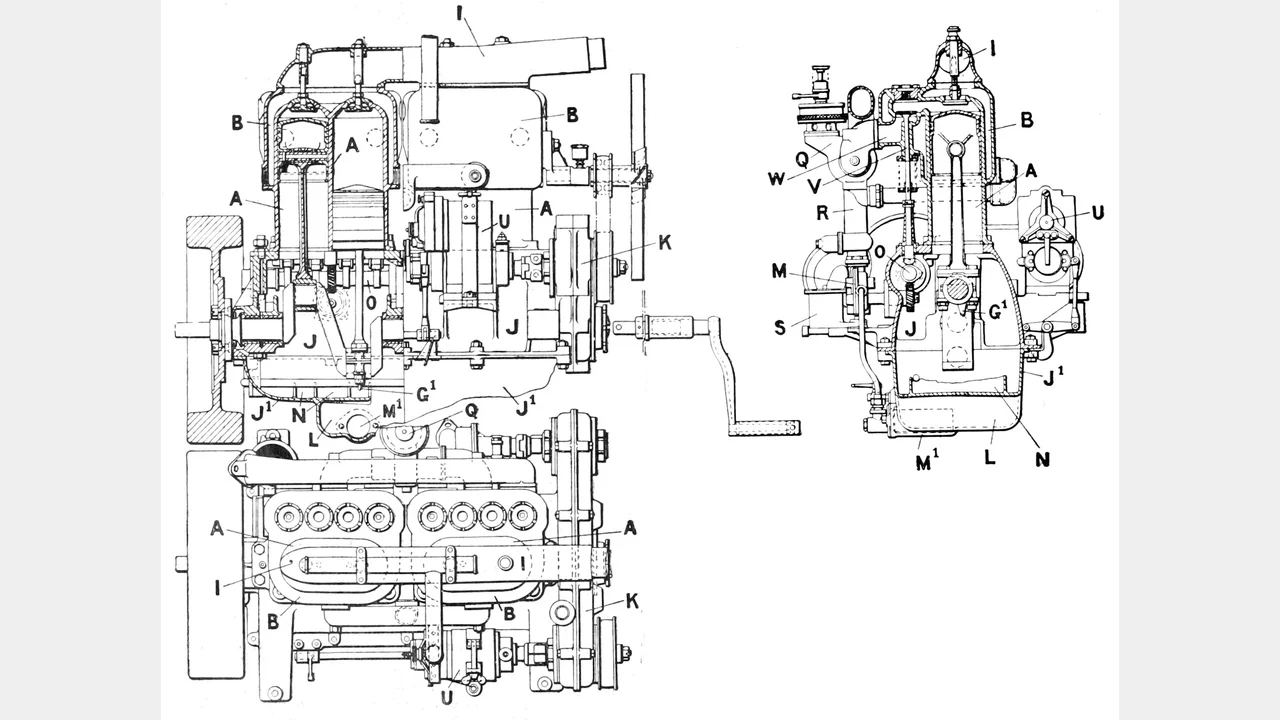
Finding the correct engine oil capacity for a Case 930 matters before you drain the crankcase or buy lubricant. The fill quantity affects safe operation, accurate level checks, and oil pressure stability in this older tractor. Because equipment identification can vary by serial range, configuration, or replacement engine, the supported approach is to confirm the exact machine identity and lubricant specification from authoritative records rather than assume one universal figure. This answer explains why the commonly cited number is only one part of a broader service question and how capacity interacts with the oil system, dipstick calibration, and refill procedure.
Essential answer
The question asks for Case 930 engine oil capacity, but no confirmed factory specification is supplied in the available evidence. Reports often circulate a fill quantity near 8 to 9 quarts including a filter change, yet treating that as a verified number would be misleading without the exact engine configuration. Older agricultural equipment commonly had production changes, remanufactured power units, and alternative oil pans or filter housings that alter total system volume. The essential answer is therefore not a single guaranteed measurement but a conditional range that must be confirmed against the tractor’s build records or an appropriate service publication.
The practical method is to combine a baseline reference value with a calibrated level check. Add oil gradually until the dipstick reads correctly, then run the engine briefly, let it settle, and check again after the filter fills and galleries prime. The difference between dry-fill capacity and service refill is significant because residual oil remains in the pump, cooler lines if equipped, and internal passages. Manufacturer approval for a lubricant specification matters as much as fluid volume, since the correct oil must match the engine’s bearing clearances, camshaft loading, and expected operating temperatures in field work.