Cars and Sports Cars With Dependable Automatic Transmissions
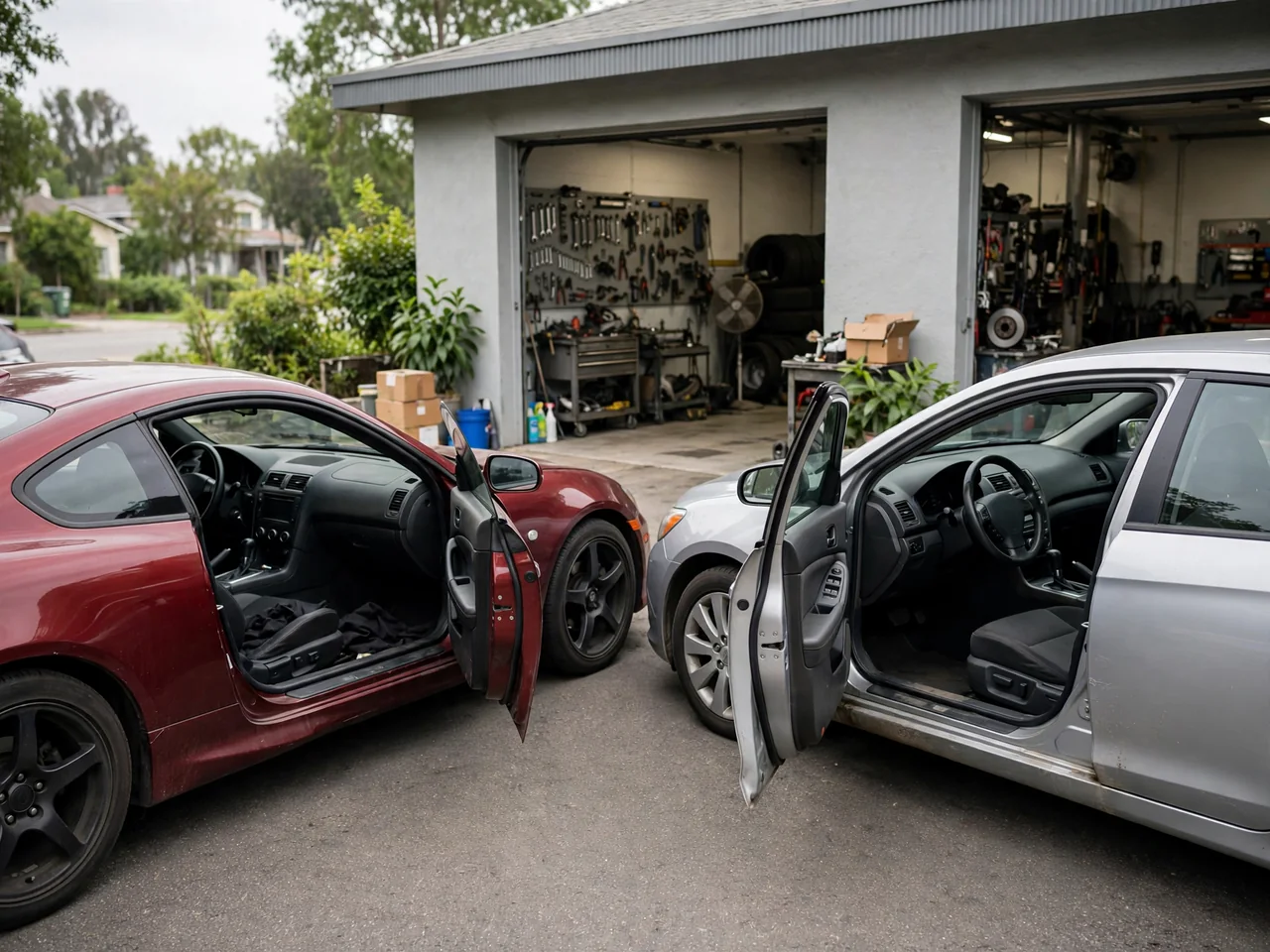
Buyers hunting for the best cars with automatic transmission, and for automatic transmission sports cars, want a used example whose gearbox has a documented reputation, matching fluid and cooling history, and a powertrain kept within design limits. Dependability lives in the specific unit, not a model badge. A shortlist only starts identification, records review, and a prepurchase inspection.
Used Automatic Cars Worth Putting on a Shortlist
A useful shortlist of the best automatic transmission cars is unranked and narrow. Each entry should name a model-year window, the engine, and the automatic unit that actually carries the reliability record, because later years, other trims, or other markets may use a different gearbox. Popular names belong on that list only when service literature, known application notes, and independent repair patterns all point to that specific combination rather than to a badge.
Transmission dependability is not the same as a clean used car. A well-regarded torque-converter automatic can still be worn, overheated, or filled with the wrong fluid, while a less famous unit can be healthy if it was serviced and used within its powertrain limits. Inclusion on a shortlist only means the specified application has supporting evidence; it does not grade paint, rust, or engine condition. Confirm transmission identification on the actual vehicle before treating any reputation as relevant, because the listed car may not be the application the evidence describes.
Automatic Sports Cars for a Used Buyer’s Shortlist
Used automatic transmission sports cars should be shortlisted the same way: by the documented gearbox, not by a famous name. A focused, unranked selection should cite the year range and powertrain configuration that match the documented automatic, not every generation of a famous coupe. Dual-clutch, torque-converter, and automated-manual designs all appear behind paddle shifters. Reliability notes that apply to one engine and gearbox pairing do not automatically cover a later higher-output variant, a different final drive, or a market-specific calibration. Treat each generation as a separate buying question.
Track days, aftermarket tuning, and other powertrain modifications change how much confidence a used buyer can place in an individual sports car, even when the factory automatic is well regarded. Extra heat, higher clutch energy, and raised torque can exceed the cooling and clutch capacity the unit was calibrated for. Documented track use is not automatically disqualifying, but it raises the need for cooling hardware that was actually fitted, fluid changed on a tighter schedule, and records showing the gearbox was not slipping or overheating.
Identify the Transmission in the Actual Car
Factory build information is the first tool for transmission identification. A window sticker, build sheet, service VIN inquiry, or dealer documentation can name the installed automatic, and a specialist can confirm the case, tag, or software when those records disagree. Listings that simply say automatic may describe a torque-converter automatic, a dual-clutch unit, or a continuously variable design. A console labeled Drive, or steering-wheel paddles, does not establish which architecture is in the car. The buyer needs the actual unit before any reliability story applies.
Reliability evidence must match the unit, its revision, and the vehicle application. A gearbox family can have early and late hardware, different clutch packs, updated valve bodies, or software that changes shift quality and heat management. The same automatic behind a stronger engine is a different duty cycle. Until this car is identified, praise for the best automatic transmission car under that nameplate is only a hypothesis. Confirm with a specialist when the listing, VIN decode, and hardware disagree.
What Supports Dependable Transmission Operation
Dependable operation rests on the correct fluid specification, temperature control, and use within intended powertrain limits. Fluid that meets the manufacturer's specification protects clutches, bushings, and hydraulics in a way that a generic substitute may not. Transmission cooling, whether through the radiator heat exchanger or an auxiliary cooler, keeps fluid from thinning and oxidizing under load. Towing, repeated hard launches, and calibration changes that raise torque all increase heat. Staying inside the application the unit was designed for is more protective than any aftermarket claim of toughness.
The transmission's application and maintenance history shape expectations without promising a particular lifespan. Highway commuting in a properly cooled sedan is a different life than short-trip heat cycling or repeated track sessions. Documented failure patterns, such as a known valve-body wear issue in a given revision, are more useful than forum anecdotes about a single car. Smooth shift quality on one test drive cannot establish long-term health; it only shows that the unit engaged and changed gears during that outing. A quiet drive does not rewrite a neglected fluid history.
Service Records That Make a Used Car Easier to Assess
Look for a transmission service history built from invoices that identify the work performed, the fluid specification, the mileage, and the date. Compare that work with the manufacturer's guidance for that vehicle rather than with a generic interval. A stamp that only says a transmission was serviced is weaker than a line item naming the fluid and the filter or pan work. Missing records leave uncertainty; they do not prove neglect, but they also do not support a claim that the unit was maintained. Ask whether the fluid was the specified type or a substitute.
If the car has a rebuilt or replacement transmission, clarify who performed the work, the documented scope, and any transferable warranty terms. A complete unit swap is not the same as a valve-body repair or a fluid-and-filter service. Ask about previous shift complaints, leaks, overheating, and powertrain modifications, because those events explain both remaining risk and what a later repair actually addressed. Incomplete paperwork is common on older cars; treat gaps as unknown history, not as proof that the gearbox was ignored or that it is healthy.
Safe Driving Observations and Professional Inspection
During an ordinary, legal test drive, note delayed engagement, unexpected engine-speed rises, harsh shifts, shudder, warning messages, or loss of drive. Do not attempt aggressive launches, high-speed downshifts, or other tests that can damage a marginal unit. Those symptoms can come from fluid condition, engine or mount issues, software, a slipping clutch pack, or a hydraulic fault, so they are not an immediate transmission diagnosis. If the vehicle loses propulsion or shows an overheating warning, stop driving safely and postpone the purchase.
An independent prepurchase inspection is the right place for diagnostic scanning, leak assessment, and evaluation of shift behavior under controlled conditions. Stored codes are evidence to interpret, not proof that a transmission part has failed, and manufacturer-dependent codes need vehicle-specific confirmation. Normal operation and an empty code memory do not guarantee durability. Postpone the purchase when significant symptoms or unresolved repair claims remain. A clean scan and a smooth drive only describe the hour you observed, not the years ahead.