Car Won't Start but the Battery Is Fine: What Else to Check
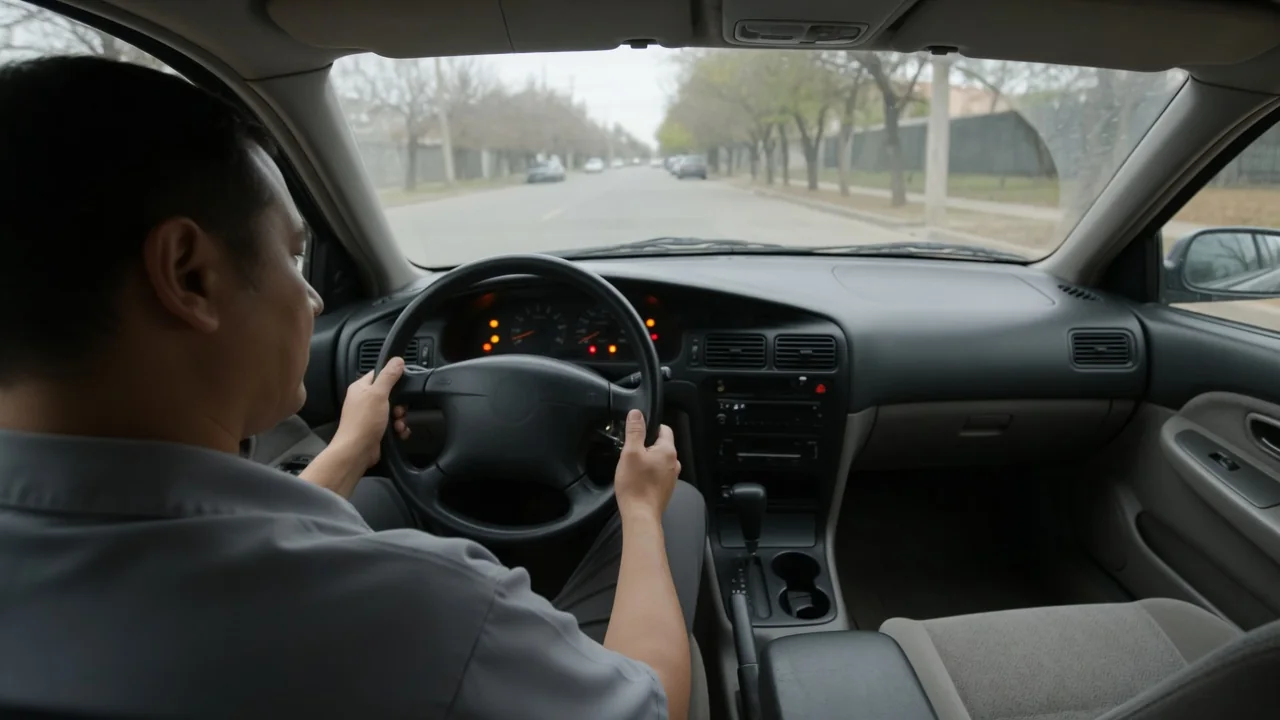
When your car is not starting but the battery is fine, the problem usually sits somewhere between the battery posts and the engine. Working dashboard lights, a working radio or a fully charged reading show only part of the electrical picture. This guide covers cable connections, the starter, key recognition, safety interlocks and fuel delivery. It will help you describe the fault clearly and know what professional testing should confirm.
What a Good Battery Test Establishes
A battery that is charged or tests good rules out one common cause, but it does not clear the whole starting system. Current still has to travel through the battery cable connections and engine ground to the starter motor. The vehicle must also authorize the start through the key, ignition switch and safety inputs. Note which test was done. A voltage reading shows state of charge. A load test shows whether the battery holds voltage under starting demand. The two results are not interchangeable.
Next, figure out what actually happens when you try to start the car. Cranking means the starter motor turns the engine over, making a steady, rhythmic churning sound. If the engine stays completely still, you have a no-crank condition. If it spins but never fires, you have a crank-no-start condition. These two cases point to very different systems. Since the battery is already known to be good, set aside battery replacement and jump-starting and focus on what the car does when you turn the key or press the start button.
Why Lights and Radio Can Work When the Engine Will Not Start
It is common for a car not to start while the lights and radio work normally. Those accessories draw relatively little current. They show that power is reaching their circuits, but they say little about the high-current path the starter needs. A loose clamp, a corroded terminal or a weak engine ground can pass enough current for the lights yet fail under starter load. That added resistance can make the dash lights dim or flicker during a start attempt even when the battery itself tests good.
With the ignition off, look at the battery cables you can see without disconnecting anything. Report white or green crust on the terminals, a clamp that looks loose, frayed insulation or melted wiring. Don't probe or remove any components. Also keep in mind that many dashboard lamps light up normally when the ignition is on before the engine runs. A fully lit dashboard is not a list of faults. Write down any warning that stays on, and any message that appears or changes while you try to start the car.
No Click and No Cranking: Where the Start Signal Can Stop
When the car makes no noise at all, with no click and no cranking, the start signal or its power supply is stopping before the starter acts. Possible causes include the ignition switch or start button circuit, a starter relay, wiring, a clutch or park-neutral interlock, the immobilizer, or the starter assembly itself. The starter solenoid needs both a command and a solid power feed. If either is missing, it stays silent despite a good battery. Silence alone cannot tell you which component failed.
If the car won't start in the cold and makes no clicking noise, write down the temperature, whether the problem comes and goes, and any key or dashboard messages. Cold weather can expose weak connections, but silence alone does not prove the cold is the cause. Testing the starter command, relay circuit and solenoid is a job for a technician who can measure them safely. Do not bridge terminals, bypass relays, strike the starter or crawl under the vehicle. Those shortcuts can cause unexpected movement, sparks or injury.
Check Key Recognition and Required Starting Conditions
An immobilizer checks whether the key or fob is recognized before it lets the engine start. What happens with an unrecognized key depends on the vehicle. It may block cranking entirely, allow cranking without running, or let the engine start and then stall. Watch for a flashing security light, a key symbol or a key-not-detected message. A weak fob battery, a damaged key or signal interference can play a part. On push-button models, your owner's manual describes the approved backup method for getting the key recognized.
The car also has to see valid starting conditions. Set the parking brake and make sure the vehicle is secure. Confirm the transmission is in the position the manual specifies, and press the brake or clutch pedal all the way down. A transmission range sensor, clutch interlock switch or brake switch can fail to report that these conditions are met, which leaves the starter silent. Trying Neutral where the manual allows it is a reasonable check, but a technician should test the signal rather than bypass the safety device.
Cranking or Whirring Without the Engine Running
Many people say the car is turning on but not starting, which can mean three different things. Only the accessories and dashboard may come on. The engine may turn over rhythmically without firing. Or a smooth whirring noise may occur with no sign that the engine is turning. Whirring can suggest the starter is spinning without properly engaging the engine. Grinding, rattling or rapid ticking suggest other engagement or power problems. The sound alone cannot confirm a starter or flywheel fault, but it helps narrow the search.
When the engine cranks but will not run, the possible causes shift to fuel delivery, ignition spark, the engine-position sensor signals, compression and, on some vehicles, an immobilizer fuel lockout. From the driver's seat, record a short video that captures the sound and any messages. You may or may not hear a brief fuel pump hum when the ignition comes on. Hearing it, or not hearing it, does not prove anything about fuel pressure or the pump. Fuel and spark testing requires proper equipment and should be left to a technician.
When to Stop Trying and What Professional Testing Should Confirm
Stop trying to start the car if you hear grinding, see smoke, smell burning or a strong fuel odor, or notice damaged wiring. Arrange roadside assistance or a tow instead. Follow the owner's manual for how long the starter can run and how long it should rest between attempts. Repeated cranking can overheat the starter motor and cables. It can also slowly drain a battery that started out fully charged, which clouds the diagnosis and adds a second problem to the first.
A clear description of the problem speeds up professional diagnosis. Share the battery test result and the type of test, whether the engine cranks, the sounds you heard, any dashboard messages, the temperature, and whether the failure comes and goes. Good testing confirms the cause before any parts are replaced. That includes voltage-drop testing across cables and grounds, checks of starter power and the start command, a check that the car is authorizing the start, and fuel and ignition measurements. Any stored trouble codes need to be interpreted with information specific to the vehicle, whatever the make.