Car Trunk Organizers and Interior Storage Ideas That Actually Work
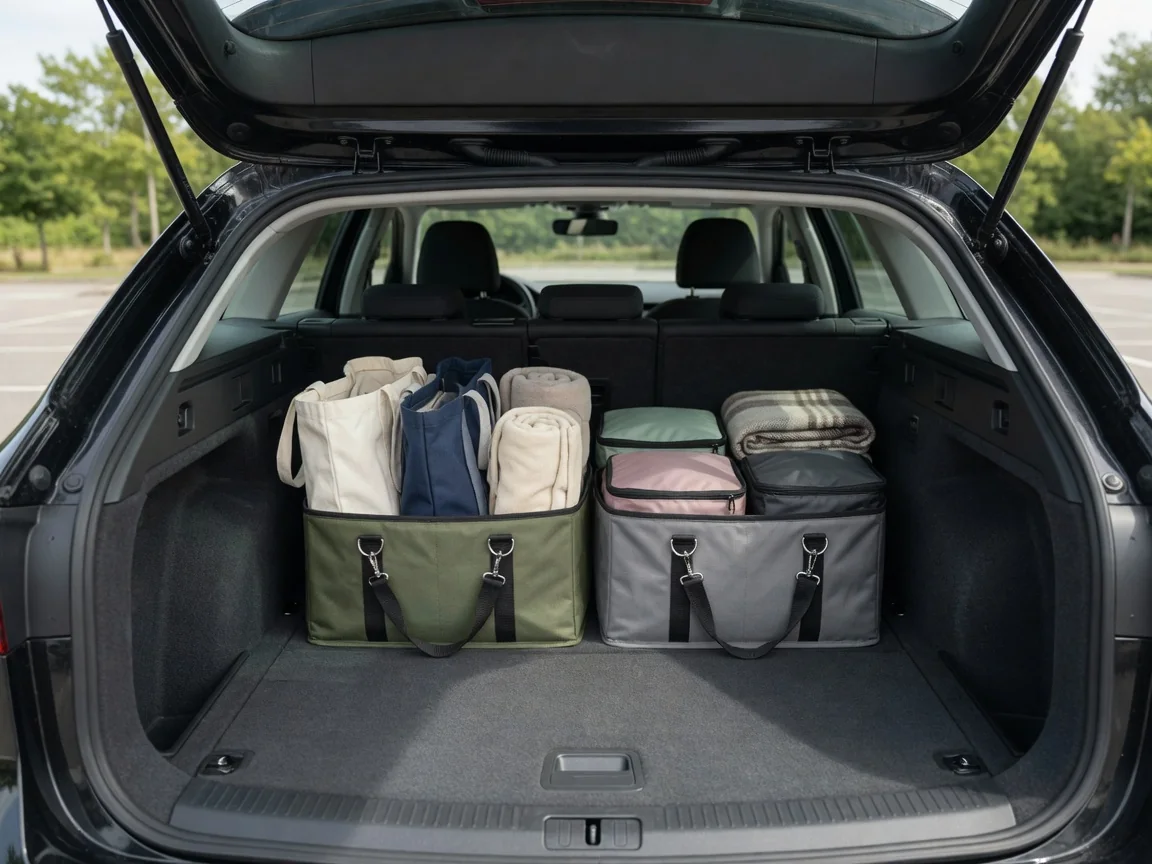
A tidy cabin starts with matching storage to how the car is actually used. Trunk bins and boxes, back-seat pockets, console trays, and a car seat gap plug with storage slot all work better when they are sized, placed, and restrained with cargo in mind. The goal is to keep shopping bags, travel gear, and small essentials contained so they do not block seats, safety equipment, or the space needed for everyday loading.
Size Storage Boxes and Bins Around Your Everyday Cargo
Everyday cargo should drive the choice of boxes, not the other way around. Start with what actually rides along each week, not with a container that happens to look roomy. Group grocery totes, cleaning cloths, and occasional travel essentials into separate zones so a storage box for the car does not become a mixed dump. Shopping bags belong together, wet wipes stay with towels, and jumper cables or a first-aid kit stay in their own space. That grouping decides whether you need several smaller car storage boxes or a few car storage bins with room to keep categories apart.
Before placing any storage box in the car, measure the footprint, usable height, and the loading opening you actually use. Account for handles and the extra room needed to open a lid without hitting hatch glass or a parcel shelf. Adjustable dividers keep mixed loads from sliding together, washable liners protect against spills, carry handles help when a bin must leave the vehicle, and collapsible walls reclaim space when empty. Limit permanent supplies so storage bins for the car never consume the room passengers and everyday loads still need.
Arrange Trunk Storage Without Blocking Essential Access
A car trunk storage box belongs where it can be loaded without fighting wheel-well intrusions or the area you fold seats into. Place car trunk storage boxes along a side wall or against the bulkhead so the hatch opening stays usable. If seats go down for lumber or a stroller, leave that path clear. Storage bins for the trunk of the car should sit low, with heavy contents at the bottom, and be arranged so designated cargo anchors and cargo restraints can hold them instead of leaving a loose stack free to slide.
Preserve emergency equipment access so a storage box for the trunk of the car never covers a warning triangle, first-aid kit, or the tools that go with a spare. Confirm underfloor compartments can still open before setting a car trunk storage bin in place. Leave a practical loading strip for groceries and luggage instead of filling every inch. Removable, washable containment isolates damp boots or dirty sports gear from clean cargo so storage bins for car trunk space can be rinsed without emptying the whole load.
Keep Back-Seat Storage Clear of Passenger Safety Equipment
Car backseat storage works for lightweight passenger essentials, not for tools or bottles that become projectiles. Seatback pockets can hold tissues, a small book, or charging cables if those items stay soft and light. Check organizer attachment instructions and the vehicle's guidance before hanging anything on a seat. Straps and pockets must stay clear of airbags, seat belts, child-restraint attachments, and seat controls. Back of seat car storage that wraps a headrest or clips to a map pocket still has to leave those safety features free to work.
Knee room disappears when storage on the back of the seat hangs low or the pocket bulges with contents. Keep passenger foot space open and avoid loading seatback pockets with hard or heavy objects that can strike a rider in a sudden stop. A loose organizer on an unoccupied seat still needs suitable restraint, because an empty row is not a cargo net. Retrieve supplies from the back seat while parked rather than twisting around in motion. If a pocket blocks a seatbelt path or a child-seat latch, remove it.
Organize the Center Console and Protect CDs
When an insert sits too tall for the lid or covers a USB port, power socket, or latch, car center console storage stops helping. Measure the console interior first and confirm console trays still let the lid, latch, and ports work. Group coins, a garage remote, and a charging brick in shallow compartments. Route cables so they cannot snag a shifter, parking brake, or steering column. Center console car storage should keep small items from migrating into cup holders that still need to hold drinks.
Discs last longer in clean disc sleeves or a secured case than loose in a cup holder where grit can scratch the playing surface. Follow any storage guidance printed on the packaging, and keep discs away from heat that warps plastic. A case that rattles should be padded or moved to a restrained bin. Keep console contents below the lid so it latches fully. Select music or retrieve items before driving; rummaging through car CD storage while moving is a distraction, not a storage plan.
Check Seat-Gap Fillers for Fit and Safe Clearance
A car seat gap plug with storage slot sits in the crevice between a front seat and the center console, catching phones, keys, and cards that otherwise fall into the seat track. Usable capacity depends on the width and depth of that gap, so a deep pocket on a narrow filler may still hold only a slim wallet. Seat-gap fillers are not universal; check fit around the seat-belt buckle, console edge, and seat controls rather than forcing a plug into a space it was not shaped for.
With the vehicle parked, slide the seat through its travel and confirm the filler stays clear of rails, recline levers, wiring, and nearby safety equipment. Remove it if it pinches a harness, blocks a buckle, or shifts into a control. Keep stored items contained so they cannot drop into the footwell and interfere with pedals. If something does fall, stop safely before retrieving it. A storage slot is convenient for a parked driver, not a place to fish for a phone in traffic.
Secure Stored Items and Build a Simple Tidy-Up Routine
A lid, a bin wall, or a nonslip base can reduce sliding during normal driving, but none of those features by themselves establish crash protection. Follow vehicle and restraint instructions, and use suitable restraints at cargo anchors when a storage bin for car trunk loads or a storage box for car trunk use could become a projectile. Respect applicable cargo limits, keep rear sightlines and camera views clear, and prevent objects from entering the driver's footwell. Soft bags still need a home so they cannot roll under a pedal.
After each trip, remove trash and unneeded items, return supplies to their assigned places, and clean spills before repacking a car storage bin. Recheck organizer straps, seat-gap fillers, and trunk restraints after moving seats or changing loads, because a new seat position can pinch a strap or uncover an unsecured box. Keep heat-sensitive items such as medications, aerosols, or electronics out of a parked vehicle when cabin temperatures cannot meet their storage needs. That short reset leaves trunk space ready for the next grocery run instead of another pile.