Car Starts but Won't Move, Accelerate or Rev: Causes and Safe Checks
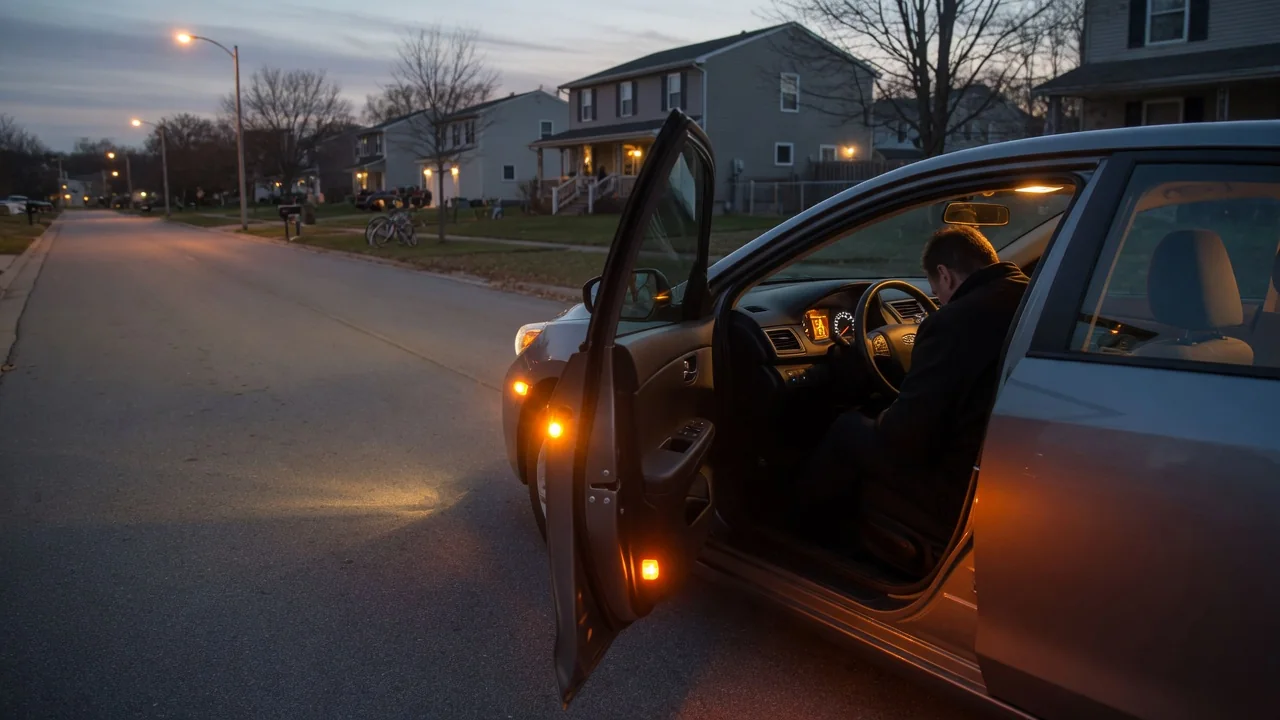
A car that starts but won't move, accelerate, or rev presents a confusing mix of symptoms. Whether the engine runs fine but the vehicle stays planted, feels sluggish, or ignores the gas pedal, the underlying system could be transmission, drivetrain, brakes, or electronic throttle control. Noting exact behavior—does it rev in Park? does the gear indicator change?—narrows the likely fault and guides safe next steps.
Starts but Won't Move vs. Won't Accelerate vs. Won't Rev: Pin Down the Symptom
The phrase "car starting but not moving" covers several possible failures. First, the engine runs but the car won't move in any gear—often a transmission or drivetrain issue. Second, it moves but won't pick up speed, suggesting reduced power or limp mode. Third, the engine won't rev when the pedal is pressed, pointing to throttle or sensor faults. Each pattern involves different components.
To pin down the symptom, watch the gear indicator when shifting. If it changes but the car stays still, power isn't transferring to the wheels. If the engine revs freely in Park or Neutral but not in gear, suspect the transmission or clutch. Also note any warning lights or messages and what happened before the problem started, such as a noise, slipping feeling, or driving through deep water.
Why a Running Car Won't Move: Transmission, Brakes and Drivetrain
A running car that won't move in gear often points to transmission trouble: low or degraded fluid can prevent hydraulic pressure from engaging clutches, internal slipping means the gears aren't holding, and shift linkage or electronic shift control faults can leave the transmission in the wrong state. These possibilities require inspection to confirm, as symptoms overlap.
A parking brake that is stuck on or not fully released, or brakes that are dragging, can hold a car in place even with the engine running. In the drivetrain, a failed CV axle, driveshaft, or differential lets the engine rev but sends no power to the wheels, sometimes with clunking or grinding. For manual transmissions, a worn clutch or hydraulic fault often feels like the engine revs but the car barely moves or shudders. Any noise or feel is only a clue, not proof.
Car Starts but Won't Accelerate: Limp Mode and Power Loss
Limp mode, or reduced-power mode, is a protective strategy. When the engine control module detects a fault that could damage the engine or transmission, it limits output—often capping speed, cutting throttle response, and holding the transmission in a single gear. A check engine light or reduced-power warning typically appears, and the car may accelerate slowly or not at all.
Possible triggers are numerous: a faulty sensor sending bad data, a restricted air intake or exhaust, fuel delivery problems, or overheating. Because these are possibilities, the next step is reading stored trouble codes with a scan tool. Some codes mean different things depending on the manufacturer, so the meaning must be confirmed for the specific vehicle. Clearing codes or restarting may restore power temporarily, but the underlying fault remains.
Engine Won't Rev When You Press the Gas
Many modern cars use drive-by-wire throttles. Instead of a cable, the accelerator pedal sends an electronic signal to the engine computer, which then commands the throttle body to open. A faulty accelerator pedal position sensor, a throttle body problem, or a wiring fault can break that signal path, leaving the engine unresponsive to the pedal, often with a warning light.
Some vehicles deliberately limit revs in Park or Neutral as a safety or emissions feature, so low revs while stationary aren't automatically a fault—check the owner's manual. Related clues include an idle that is stuck, revs that rise slowly, or stalling when the pedal is pressed. These symptoms warrant proper electronic testing with a scan tool and multimeter rather than swapping parts on a guess.
Safe Checks You Can Make Before Calling for Help
Before calling for help, make sure the car is parked safely on level ground with hazard lights on if you're near traffic. Simple observations can narrow the problem: confirm the parking brake is fully released, check the gear display matches the shifter, look for dash messages, and listen for unusual sounds from a safe position outside the car.
Look for obvious fluid puddles under the car and, if the owner's manual allows, check the transmission fluid level according to the manufacturer's procedure. Never get under the vehicle, work near moving parts, or rev the engine hard while it's in gear to test it. Write down the symptoms and any codes you've seen, so a technician can diagnose faster.
When to Stop Driving, Get a Tow and See a Professional
Do not try to force the car to move or drive it in limp mode longer than necessary to reach a safe spot. Limp mode is designed to protect the drivetrain, but continued driving can worsen the underlying fault. Burning smells, grinding noises, smoke, overheating warnings, or a sudden loss of drive mean you should stop and arrange a tow.
Home diagnosis has limits. Transmission pressure tests, module diagnostics, and drivetrain inspection need professional equipment and training. When you take the car to a shop, ask them to confirm the cause with testing before replacing major parts, and ask if there is any manufacturer service information or technical service bulletin for your exact vehicle—that can save time and money.