Car Radio Not Working After a Battery Change or Dead Battery
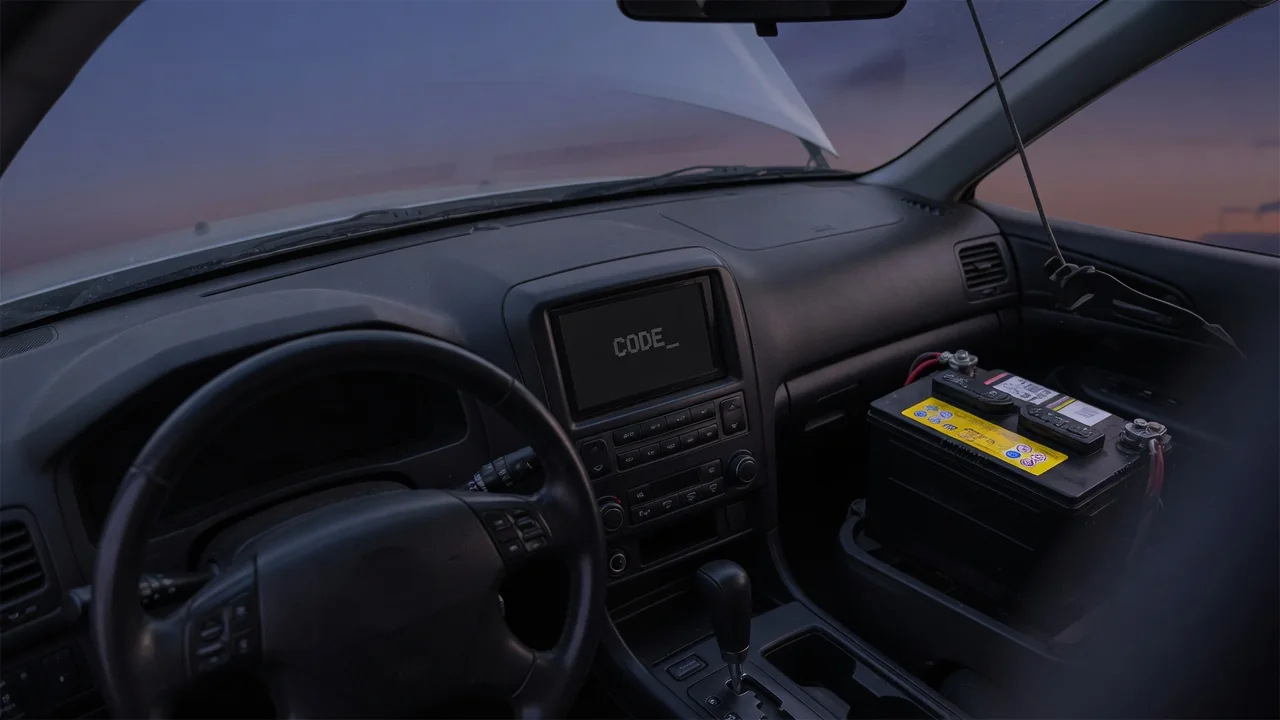
A car radio not working after a battery change is one of the more common surprises that follows routine electrical work, and the same thing can happen after the battery died and the car needed a jump-start. Most cases trace back to a security lockout, a lost setting, a fuse or a satellite subscription issue rather than a ruined head unit, and the display usually offers the first clue.
Why a Car Radio Can Stop Working Right After a Battery Change
Disconnecting the battery cuts all power to the head unit, including the small standby feed that keeps its memory alive. When power returns, some systems simply wake up with factory defaults, while others lock themselves, run a reset, or behave oddly until they relearn stored settings. That is why the radio not working in a car after a battery change often has nothing to do with the new battery itself; the unit is reacting to the interruption exactly as it was designed to.
The symptom matters more than the event. A blank screen suggests a power supply issue, a CODE or LOCKED message points to anti-theft protection, power with no sound from speakers hints at settings or an amplifier, and lost radio presets or no reception usually indicate a memory reset or antenna concern. Write down exactly what the display shows before pressing anything. Behavior also varies by make, model, year and whether the radio is factory or aftermarket, so no single explanation fits every vehicle.
Anti-Theft Radio Codes and Security Lockouts
Some factory radios include an anti-theft feature that demands a radio anti-theft code whenever power has been lost, on the theory that a stolen unit would be useless without it. Many newer infotainment systems skip the code entirely and instead verify themselves against the vehicle electronically. Where a code is required, it is often printed in the owner's manual, on a card tucked into the glovebox paperwork, or on a sticker somewhere in the vehicle. Confirm it against the manufacturer's documentation rather than trusting generic lists found online.
Guessing is the costly mistake here. Repeated wrong entries can extend the radio locked message for progressively longer periods on some units, so stop after an incorrect attempt and confirm the correct procedure for your specific vehicle. Entry methods differ between brands and even between radio generations, which means a button sequence that worked on one car may do nothing on another. A dealer can usually retrieve the code with proof of ownership, and certain units can only be unlocked with dealer equipment.
Radio Problems After the Battery Fully Died
A car radio not working after the battery died is a slightly different situation from a planned replacement. During a swap, power is cut cleanly and restored cleanly. With a deeply discharged battery, voltage sags during cranking attempts and then surges back during a jump-start, and control modules can be left in an odd state by that unstable supply. A head unit may freeze, restart repeatedly, or fail to wake until the electrical system has stabilized.
Useful observations are simple and safe: notice whether other electronics such as windows, interior lights and the instrument cluster work normally, whether warning lights stay on after starting, and whether the radio responds at all. A battery that has not fully recovered can cause intermittent electronic faults that look like a radio failure, and a professional battery and charging-system test can rule that out. A jump-start or voltage problem can sometimes blow a radio fuse or upset a module, but damage should not be assumed without testing.
Satellite Radio Not Working After the Battery Died
Satellite service adds another layer, because it depends on an active subscription and a signal from the provider, both of which are separate from whether the head unit powers on. When XM radio is not working after a car battery died, the usual signs are a no-signal, check-antenna or subscription message on satellite channels while AM and FM play normally. That pattern suggests the receiver lost its authorization or has not yet reacquired the broadcast, rather than a failed radio.
Parking outdoors with a clear view of the sky gives the receiver its best chance to pick up the signal, since garages and dense cover block it. The provider can send a satellite radio refresh signal through its official customer support options, which often restores channels. Before suspecting hardware, check that the subscription is still active and linked to the correct radio ID, which the unit can usually display. If a refresh and clear-sky test change nothing, the antenna or receiver needs professional diagnosis.
Safe Basic Checks Before Booking Service
The fuse box diagram in the owner's manual identifies which fuse protects the radio or infotainment system, and some vehicles use more than one. A visual inspection can reveal a broken element, and any replacement must match the specified rating exactly, because a higher-rated fuse removes the protection the circuit was designed with. Also confirm that volume, mute, source and audio output settings were not reset to defaults, and that a paired Bluetooth phone is not quietly taking over the audio.
Some systems recover on their own after a full ignition-off cycle or a brief wait while modules shut down and restart, though any head unit reset steps should come from the owner's manual rather than improvisation. Beyond that, restraint is the safer choice. Battery terminals carry enough current to cause burns or damage if shorted, and dash components sit close to airbag wiring that can be hazardous when disturbed. Without proper knowledge and safety precautions, leave terminals, wiring and trim removal to a technician.
When the Radio Needs Professional Diagnosis
Certain signs indicate the problem is beyond basic checks: no power even though the fuses look intact, a lockout that will not clear with the confirmed code, fuses that fail repeatedly, or other electronics misbehaving alongside the radio. Repeated fuse failure in particular suggests a fault in the circuit that needs tracing. Modern integrated infotainment systems communicate with other modules over the vehicle network, and they may need dealer-level software tools to reset, reprogram or diagnose communication faults.
It is also worth having the replacement work itself reviewed. Loose or corroded battery connections can produce exactly the kind of flickering, resetting behavior that gets blamed on the radio, and they should be checked by someone qualified. Any stored fault codes found along the way are evidence to interpret, not proof that a component has failed. Finally, keep battery replacement records together with radio code documentation, so the next battery disconnect is an inconvenience measured in minutes instead of a repeat investigation.