Car Overheating Suddenly, Randomly or Too Fast: What the Pattern Means
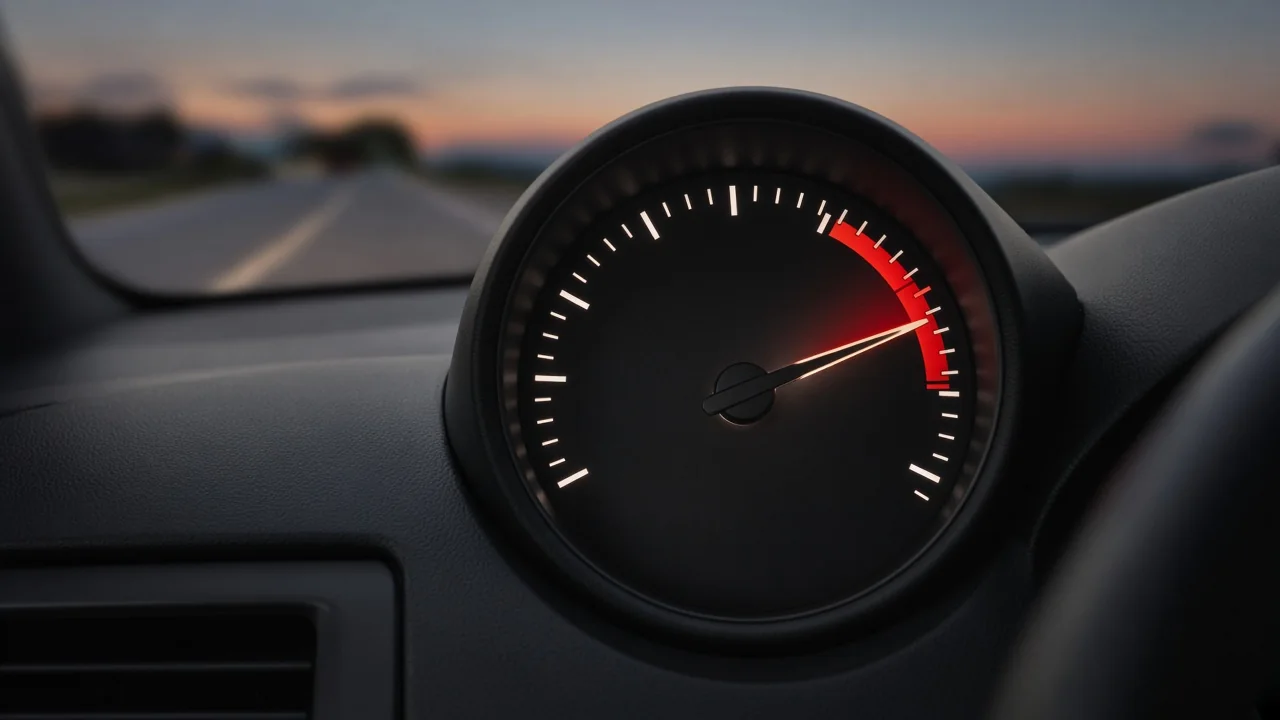
When your engine temperature climbs far faster than normal, or the gauge spikes without warning, the speed and pattern of that rise are diagnostic clues, not just a reason to panic. A car that overheats quickly after startup, only sometimes in traffic, or slowly over weeks points to very different faults. Interpreting why your car is overheating so fast means connecting the needle’s behavior to coolant flow, heat exchange, and airflow — and knowing when to shut down before engine damage occurs.
First Response When the Temperature Gauge Climbs
The instant the temperature gauge moves toward hot or a warning light flickers, pull over as soon as safely possible. Switch the engine off and let it cool before doing anything else. Continuing to drive even a short distance with the needle in the red can warp cylinder heads, damage the head gasket, or seize the engine, turning a simple cooling system repair into an engine rebuild. Your first job is preventing heat from doing further harm.
Never remove the radiator cap or open the coolant reservoir while the engine is hot. The cooling system is under pressure when warm, and releasing that pressure allows superheated coolant to flash into steam, spraying violently and causing severe burns. Wait until the engine is fully cool to the touch before checking anything. If steam is already visible, you smell a sweet syrup-like odor, or a warning light is flashing, stopping was definitely the right call.
How to Read Your Overheating Pattern Before Guessing at Causes
Before guessing at causes, write down exactly how the overheating happens. Did the needle start rising within a few minutes of a cold start, or only after idling in traffic? Did it suddenly spike after being steady, or has it been creeping higher every day? The timing and driving conditions when the temperature climbs separate low coolant and stuck thermostats from failing fans, circulation problems, or intermittent electrical faults that rarely show up in a workshop.
Pay attention to the needle's normal spot in your own car. Some vehicles sit just below halfway; others read a little above or below. You are looking for deviation from your normal, not a universal number. Also note outside temperature, A/C use, highway speed, and if you were towing or climbing. One overheating episode on a hot day while climbing a long grade may simply reveal a marginal cooling system, while the same spike on a cool day points to an acute failure.
Why a Car Overheats So Fast After Starting
Overheating within minutes of a cold start generally means coolant is not circulating or there is far too little of it. A thermostat stuck closed prevents flow to the radiator, an air pocket from recent cooling system work can stop circulation, and a failed water pump cannot move coolant at all. Check the reservoir level only when the engine is completely cold, and look for wet or crusty residue around hoses and fittings that would explain a loss.
If the quick temperature rise comes with white exhaust smoke, bubbles in the coolant reservoir, or coolant disappearing without a visible leak, combustion gases may be entering the cooling system through a head gasket failure. This forces exhaust into the coolant passages, displacing liquid and creating air pockets that interrupt flow. Repeatedly topping up without finding where the coolant goes risks further overheating and engine damage, so this pattern needs professional testing rather than more driving.
What Sudden Overheating Usually Points To
A sudden spike from a steady reading usually means something broke abruptly: a burst hose, a large coolant leak, or the cooling fan stopping. When the engine loses enough coolant or the fan shuts off without warning, the temperature can jump within seconds. If you notice fresh coolant under the car, see steam from under the hood, or heard a squeal, slap, or pop just before the gauge climbed, treat it as a definite failure rather than a gradual decline.
On engines where the water pump is driven by the serpentine or drive belt, a broken or badly slipping belt can stop coolant circulation instantly. Some vehicles drive the pump off the timing belt, others off a separate belt; if the belt also runs the alternator or power steering, the battery light or stiff steering might come on at the same time. When the cause of a sudden overheat isn't obvious, have the car towed. Guessing and limping home can turn a hose replacement into a blown head gasket.
Random or Intermittent Overheating: Causes That Come and Go
Intermittent overheating — a car that randomly overheats one day and runs fine the next — is usually an electrical or mechanical part that fails only sometimes. A thermostat can stick now and then, a cooling fan relay or wiring connector can make poor contact, or a radiator cap may not always hold pressure, allowing localized boiling. Because the fault is not present when you stop, the engine may cool off and behave normally, making the pattern hard to reproduce.
Where the overheat happens is a strong clue. Overheating at idle or in stop-and-go traffic fits a fan that isn't pulling air across the radiator; at highway speed there is plenty of airflow, so the same problem often disappears. Overheating only on the highway points to coolant flow restriction or a clogged radiator. If a temperature sensor or gauge is faulty, the spike may not be real at all; a scan tool or infrared thermometer can confirm actual engine temperature before any parts are replaced.
When a Car Runs Slightly Hot or Overheats Slowly
A slow, gradual creep toward hotter readings often means a restriction or reduced efficiency rather than a hard failure. A partly blocked radiator, accumulation of bugs and road debris across the fins, a slow coolant leak that lowers the level over weeks, or too weak a coolant mixture can all reduce the system's reserve capacity. The needle may reach a new, higher normal on warm days, then return to usual in cooler weather — a sign that something is marginal.
Heavy loads reveal these marginal systems. Towing a trailer, long highway climbs, or outside temperatures above 90°F push the cooling system to work harder. If the needle only climbs under that load but is fine otherwise, the system has little reserve left. Do not dismiss a slightly high reading just because it stays below the red zone: a compromised system can degrade quickly, and today's mild creep can become next week's sudden overheat.
When Professional Cooling System Testing Is Needed
When your pattern log points to an internal leak, combustion gas contamination, or a component that tests fine when cold, a shop can apply tests that isolate the fault. A cooling system pressure test reveals small leaks; a chemical block test checks for exhaust gases in the coolant; an infrared temperature gun can find a radiator that is partly blocked by measuring hot and cold spots across its surface. Fan operation and thermostat behavior can be checked electrically and by observing warm-up.
Tell the technician not just that the car overheats but exactly when and how: how long after starting, whether at idle or highway speed, what the outside temperature was, how much coolant you have added, and any noises or smells you noticed. Recurrent overheating, milky oil, persistent white smoke, or coolant loss with no visible leak all demand prompt professional diagnosis. Cooling system sealers and additives might hide a symptom temporarily, but they do not repair the underlying cause and can clog small passages.