Car Leaking Transmission Fluid: Causes and How to Find the Leak
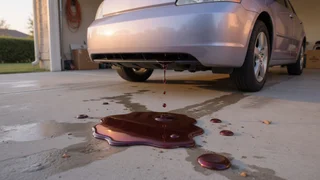
A reddish or amber puddle under the vehicle often means the transmission is losing fluid, and the consequences can escalate from rough shift behavior to serious internal damage. Because engine oil, power-steering fluid, and coolant can look similar, the first step is identifying the stain correctly. Once a transmission fluid leak is confirmed, finding its source depends on whether the vehicle is running, parked, or parked on an incline. The following sections explain what the leak means, where to look, and how to begin tracing it without guessing.
Direct answer
When a car is leaking transmission fluid, the immediate answer is to confirm the fluid and locate the general origin before driving far. A low level reduces hydraulic pressure, causing delayed engagement, slipping, or harsh shifts. The leak may be steady or appear only while parked, so the pattern of the stain matters. In some cases, a seepage stain is old and harmless, while a growing puddle indicates an active loss that can quickly affect transmission operation.
The meaning of the leak depends on transmission type and service history. A manual gearbox may leak from a case seam or axle seal, while an automatic transmission can lose fluid from cooler lines, a pan gasket, or a front seal. An accident can also crack the case or shift a cooler line fitting. The leak should be treated as evidence of a failed seal, gasket, or connection, not automatic proof that the transmission itself needs replacement.
Identification and location
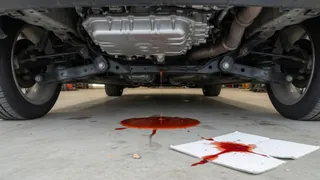
To tell if the car is leaking transmission fluid, place a clean piece of cardboard under the area overnight. Fresh transmission fluid is typically red, pink, or light amber, but older fluid may darken to brown. It feels thinner than engine oil and often has a slightly sweet or petroleum odor. A stain near the front of the car may come from a cooler line or pump seal, while fluid under the center usually points to the pan or case.
When a car leaks transmission fluid when parked uphill, gravity moves the fluid toward the rear of the transmission. That can make a tail-shaft seal leak more visible, even though the source may be farther forward. If the leak appears only when the car is running, fluid is being pumped through a pressurized line or seal. If the puddle forms after shutdown, a drain plug, pan gasket, or saturated case seam is more likely.
Practical steps
Begin by checking the transmission fluid level only if the vehicle has a dipstick and the manufacturer specifies a warm-engine procedure. Wipe the area around the suspected leak with a clean rag, then run the engine briefly and watch for fresh wetness at the pan rail, cooler line fittings, axle seals, and the bellhousing seam. A dye added to the fluid can make the path easier to trace, especially when the leak is small or intermittent.
If you are asking what to do when your car is leaking transmission fluid, avoid adding fluids endlessly and do not rely on a stop-leak product as a permanent repair. A small seep may be manageable for a short drive, but an active drip can starve the transmission. Have the exact source identified before choosing a repair option, because a pan gasket is a far simpler job than a front seal or a cracked case. Diagnostic codes can support shift-behavior findings but do not replace a visual check for the wet trail.