Car Insurance After a Fender Bender: Coverage, Deductibles and Claims
The short answer
A fender bender is typically covered by collision insurance when your vehicle hits another vehicle or object, or by the at-fault driver's property damage liability coverage when someone else caused the impact. The key qualifications are whether your policy includes the relevant coverage, whether the repair estimate exceeds your deductible, and whether a claim makes financial sense after considering any possible premium increase. Supplied source data does not include state-specific policy rules or insurer rate formulas, so this guide explains the general coverage structure and decision points rather than guaranteeing a particular claim outcome.
Which coverage applies
When another driver caused the fender bender, their property damage liability coverage is the primary route to repairing your car. Liability coverage is required in most U.S. states, but minimum limits vary, and the supplied material does not provide a state-by-state schedule. If the other driver is uninsured or underinsured, your own uninsured or underinsured motorist property damage coverage may apply where you purchased it.
When you caused the impact, or when fault is not resolved quickly, collision coverage pays for damage to your own vehicle. Collision coverage is generally optional unless a lender or leasing company requires it. Comprehensive coverage does not apply to a typical collision because it is designed for non-crash losses such as theft, fire, falling objects or animal strikes.
How the deductible works
Collision claims carry a deductible that you choose when buying the policy, often ranging from a few hundred dollars to more than a thousand. The insurer generally pays repair costs above that amount, up to the policy limit, and you pay the deductible to the repair shop or the insurer deducts it from the settlement. Liability claims against another driver do not use your collision deductible.
Scenario | Coverage route | Deductible applies; Other driver at fault and insured | Their property damage liability | No; Other driver at fault but uninsured | Your uninsured motorist property damage, if purchased | Possibly, depending on policy; You are at fault | Your collision coverage | Yes; Fault is disputed or unresolved | Your collision coverage while fault is determined | Yes, subject to possible recovery
Deciding whether to file a claim
A minor repair that costs only slightly more than your deductible may not be worth filing, because the payout would be small and the claim could still affect future premiums. Insurers do not follow one universal rating formula, and the supplied evidence does not include a documented premium increase percentage, so this is a practical risk to weigh rather than a measured guarantee.
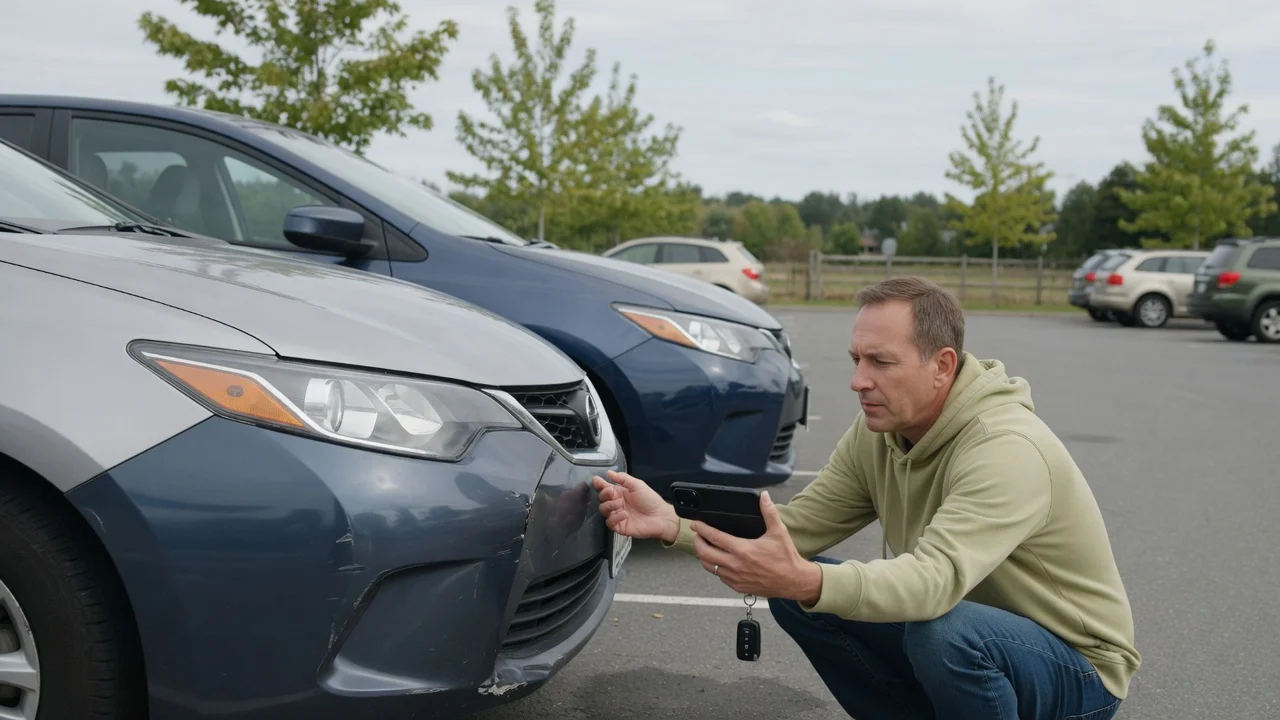
More serious damage usually favors a claim, especially when another insured driver was clearly at fault and their property damage liability coverage should pay for the repair. Document the scene with photos, exchange insurance information, and contact your insurer early enough to protect any reporting deadlines in your policy.
Practical next steps
Check your declarations page to confirm you carry collision coverage and note the deductible amount. Get at least one repair estimate so you can compare the repair cost with your deductible. If another driver was involved, exchange names, contact details and insurance information at the scene. Ask your insurer how a first minor collision claim would affect your renewal premium; responses vary by company and state. Report the claim within the time frame your policy requires, since the supplied material does not include a universal reporting deadline.
Coverage gaps to check
The main gaps in the supplied information are state minimum liability limits, insurer-specific premium impact rules, and claim filing deadlines. These details depend on the policy language and the market where the vehicle is registered. Confirm them with your insurer or policy documents before deciding, because that missing information can materially change whether a small collision claim is worthwhile.