Car Insurance for a Driving Test: Required Coverage and Arrangements
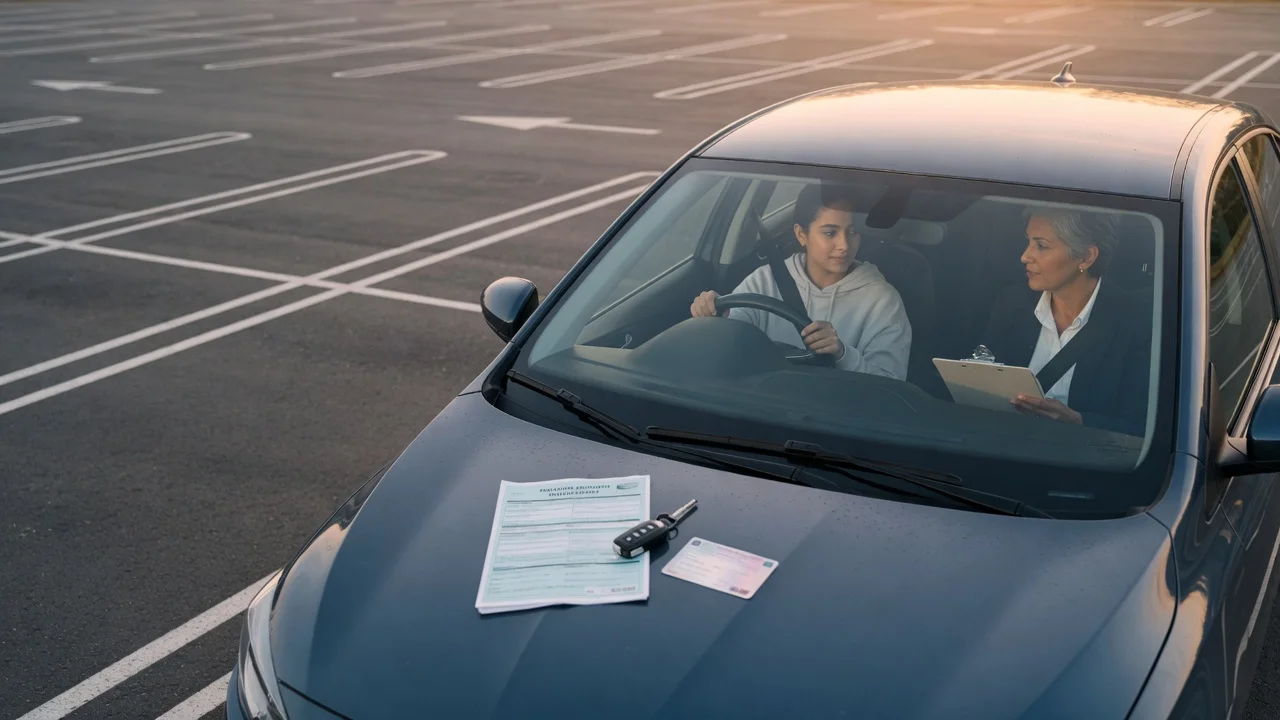
Do You Need Special Insurance for a Driving Test?
In most cases, you do not need a separate driving test insurance policy. The vehicle you use for the test must simply be insured for the person driving it. If you are taking the test in your own car, the car's normal insurance policy already covers you as a named driver or policyholder, and the test can usually be completed under that policy. If you are borrowing a car, the owner's policy must cover you as a driver.
The key qualification is permission from the insurer. Driving tests are generally treated as supervised driving, not commercial use, but some policies may include restrictions on use by learner drivers. You should confirm with the insurance company that the vehicle and driver are covered for a road test before the appointment.
Using Your Own Car for the Test
If you own the car you plan to use, the standard owner's policy with you listed as a covered driver is usually sufficient. The insurance requirement is not tied to the test itself, but to the vehicle being legally insured for the person operating it on public roads.
Before the test, check that the policy is active, that your name is on the policy if required by the insurer, and that the vehicle meets the testing authority's condition and safety requirements. A valid insurance document should be available in the car on test day, because the examiner may ask to see evidence of coverage.
Using a Family Member's or Friend's Car
Borrowing a car is allowed if the car's insurance covers you while driving. A family member's or friend's policy may already include coverage for occasional drivers, but learner drivers are sometimes excluded unless specifically added. You may need to be added as a named driver for the test period.
Adding a learner driver can change the premium or involve a temporary policy adjustment. The owner should contact the insurer rather than assume coverage applies. The examining authority generally requires that the borrowed car be insured for you as the person taking the test.
Using a Driving School Car
Driving schools that offer test preparation commonly allow students to use the school vehicle for the practical test. In that arrangement, the school's commercial learner-driver coverage typically extends to the student during the test. The instructor or school confirms the insurance status before the appointment.
You should verify this with the school when booking the test. Some schools include the test-day car use in a lesson package, while others charge a separate fee. The school's insurance should cover both the vehicle and the learner driver during the examination.
What Coverage Must the Vehicle Have?
The testing authority's main requirement is that the vehicle be legally insured for the test candidate. That generally means at least the minimum liability coverage required by state or local law. Comprehensive and collision coverage are not usually test-specific requirements, although the vehicle itself must meet safety standards.
Acceptable coverage may include a personal auto policy, a commercial policy for driving school vehicles, or a temporary insurance arrangement that names the candidate. Proof of insurance should be in the car, and the document should make clear that the test candidate is authorized to drive it.
Temporary and Learner Driver Insurance
Temporary or learner driver insurance can be a practical option when you are borrowing a car and the owner's policy does not cover you. Short-term policies may cover the test day only or a brief practice period. They are usually arranged for the specific vehicle and driver.
Insurers may ask for the test date, the vehicle details, and the named driver's information. This type of coverage can be useful if the owner is concerned about a potential premium increase from adding a learner to the annual policy. Confirm that the temporary policy remains active for the entire test window.
What to Check Before Test Day
The insurance policy is active and covers the test date. The candidate is named, or specifically authorized, on the policy covering the vehicle. The insurer has confirmed that a road test is not excluded from the policy's permitted use. The testing authority's vehicle safety and registration requirements are met. Proof of insurance is current and available in the car.
The most reliable step is to contact the insurance company before the test and ask directly whether the candidate and vehicle are covered for a driving test. If the answer is unclear, arrange temporary coverage or use a driving school car with confirmed insurance.
Common Misunderstandings
A common misunderstanding is that the examiner's presence means the government or testing authority insures the drive. In ordinary testing arrangements, the candidate or vehicle owner remains responsible for insurance. The examiner is not providing coverage for the vehicle or the candidate.
Another misunderstanding is that any insured car can be borrowed without checking the driver status. A policy covering the owner does not automatically cover a learner driver. Coverage depends on the policy's terms and the named or permitted drivers.
Gaps in the Supplied Evidence
The available brief does not include specific insurer policy language, testing authority documents, or jurisdiction-specific insurance rules. Requirements can vary by state or country, so the exact documents accepted on test day and the minimum liability amounts cannot be confirmed from the supplied material. Readers should verify the current rules with their licensing authority and insurance provider.