Car Insurance After a Fender Bender: Claims, Deductibles and Costs
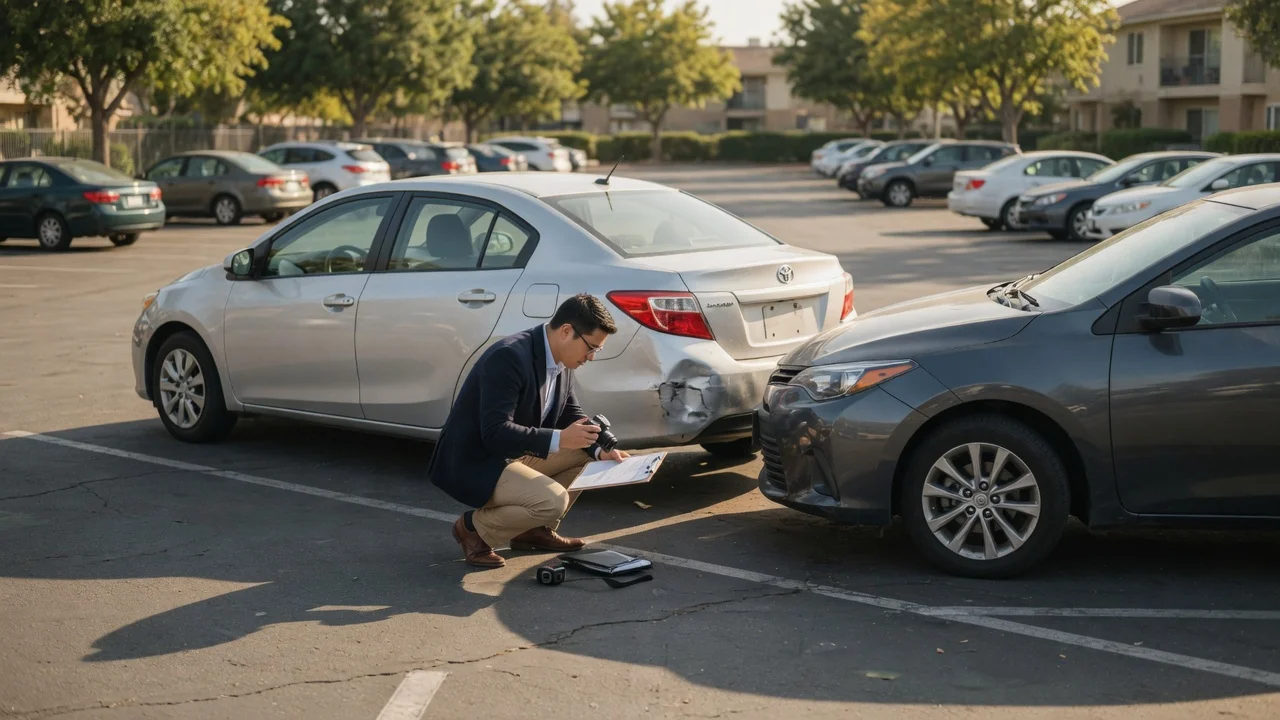
What happens with car insurance after a fender bender
A fender bender is a low-speed collision that usually damages bumpers, lights, panels, or paint rather than the vehicle’s structure. Auto insurance can pay for those repairs, but it does not do so automatically. Whether a claim is worth filing, who pays, and how much you owe depend on fault, the coverages on each policy, the deductible, repair cost, and how your insurer treats small claims. Those rules vary by U.S. state, insurer, and policy form. This guide covers typical collision and liability handling in the United States; it is not a substitute for the declarations page and contract of a specific policy.
Who pays for a minor collision
If another driver is at fault, that driver’s bodily injury and property-damage liability coverage is the usual source of payment for your repairs and related losses, up to that policy’s limits. You generally do not pay your own collision deductible when the other carrier accepts liability and pays your shop or reimburses you. If you are at fault, or fault is shared, your own collision coverage is the coverage that typically pays to repair your vehicle, minus the collision deductible you chose. Comprehensive coverage does not apply to crash damage; it applies to non-collision losses such as theft, hail, or hitting an animal, depending on the policy.
If the at-fault driver is uninsured, underinsured, or cannot be identified, uninsured or underinsured motorist property-damage coverage may apply where that coverage is sold and purchased. Availability and whether a deductible applies are state- and policy-specific. In no-fault or personal-injury-protection states, medical bills from even a minor crash may be paid first by PIP or medical-payments coverage on the vehicle the injured person occupied, regardless of who caused the crash. Vehicle repair still generally follows the liability and collision rules above.
How deductibles work on a small claim
A deductible is the portion of a covered loss you pay before collision (or, where it applies, comprehensive) insurance pays the rest. Common collision deductibles are $250, $500, $1,000, or $2,000; the amount is set on the policy, not by the size of the crash. If a shop estimates $1,400 in bumper and paint work and the collision deductible is $1,000, the insurer’s covered payment toward that estimate is about $400, subject to the insurer’s inspection, betterment, aftermarket-parts, and labor-rate rules. If the estimate is below the deductible, collision coverage pays nothing toward that repair.
Liability claims against an at-fault driver typically have no deductible for the injured party. The at-fault insured may still owe a deductible on their own collision claim for their own car. Some policies waive the collision deductible when the other driver is identified and at fault; that waiver is a policy feature, not a universal rule.
When filing a claim is worth it
File a claim when injuries occurred, the other driver left the scene, damage is clearly above the deductible, the vehicle is unsafe to drive, or you need the insurer’s inspection, rental, or total-loss process. Paying out of pocket can be the cheaper path when the repair is near or below the deductible, you can document the other driver’s information and still pursue them later, and you want to avoid a claim appearing on your loss history. Insurers and state regulators do not use one national formula for whether a minor at-fault claim raises premiums. Many carriers consider at-fault accidents for three to five years; a not-at-fault claim may have little or no surcharge with some companies and a surcharge with others.
Repair estimate versus deductible: if the billed repair is at or under the deductible, collision insurance will not reduce what you pay. Likely premium change: ask the insurer how an at-fault versus not-at-fault claim would affect the next renewal before you file, and treat that answer as company-specific. Fault and evidence: photos, a police report where one is taken, and the other driver’s name, plate, and insurer make a third-party claim far easier to settle. Safety and hidden damage: bumper covers can hide impact-bar, sensor, condenser, or lighting damage that only appears after a tear-down; a low first estimate can rise. Rental and total loss: collision and liability claims can include a rental-car benefit if that coverage was purchased; a vehicle is a total loss when repair cost plus salvage value meets the insurer’s total-loss threshold relative to actual cash value.
What a fender-bender claim can cost
Your out-of-pocket cost is not only the deductible. An at-fault claim can raise premiums at renewal, sometimes by more over a few years than the repair itself. Exact surcharge amounts are not published as a single national figure; they depend on the insurer’s rating plan, your state, your driving record, coverage limits, and whether accident forgiveness applies. Accident forgiveness, if it is on the policy and still available, may prevent the first at-fault accident from changing the rate. A not-at-fault claim paid entirely by the other insurer may leave your premium unchanged, but that outcome is not guaranteed.
Repair prices for minor bumper and panel work vary widely by vehicle, market, and whether original-equipment or aftermarket parts are used. Plastic bumper-cover refinishing can be a few hundred dollars; replacing a cover plus impact bar, parking sensors, cameras, or radar modules can reach several thousand dollars on late-model vehicles with driver-assistance hardware in the bumper. Insurers typically pay based on actual cash value, not replacement cost, if they declare a total loss. Gap between that value and a loan or lease balance is covered only if separate gap coverage applies.
Practical next steps after the crash
Move the vehicles out of traffic if it is safe, check for injuries, and call police when required by state law or when there is injury, suspected impairment, or a dispute over what happened. Exchange names, license numbers, plate numbers, insurer names, and policy numbers. Photograph all vehicles, the scene, and visible damage before repairs begin. Notify your insurer promptly even if you have not decided to file a paid claim; many policies require prompt notice of an accident. Get a written estimate from a shop familiar with your make, and ask whether a tear-down is needed before you compare that number with your deductible. If another driver is at fault, you can open a claim with their insurer, your own collision coverage, or both; using your collision coverage first (then letting your insurer subrogate) is often faster when the other carrier delays, but your deductible may apply until recovery succeeds.
Material gaps remain for any one reader: your state’s financial-responsibility and no-fault statutes, your exact deductibles and endorsements, the other policy’s limits, and how your insurer rates a small claim. Those facts are on the declarations page, in the policy, and in a written quote from the insurer or agent. Use them before you decide whether to file.