Car Door Rubber Seal: Types and Buying Guide
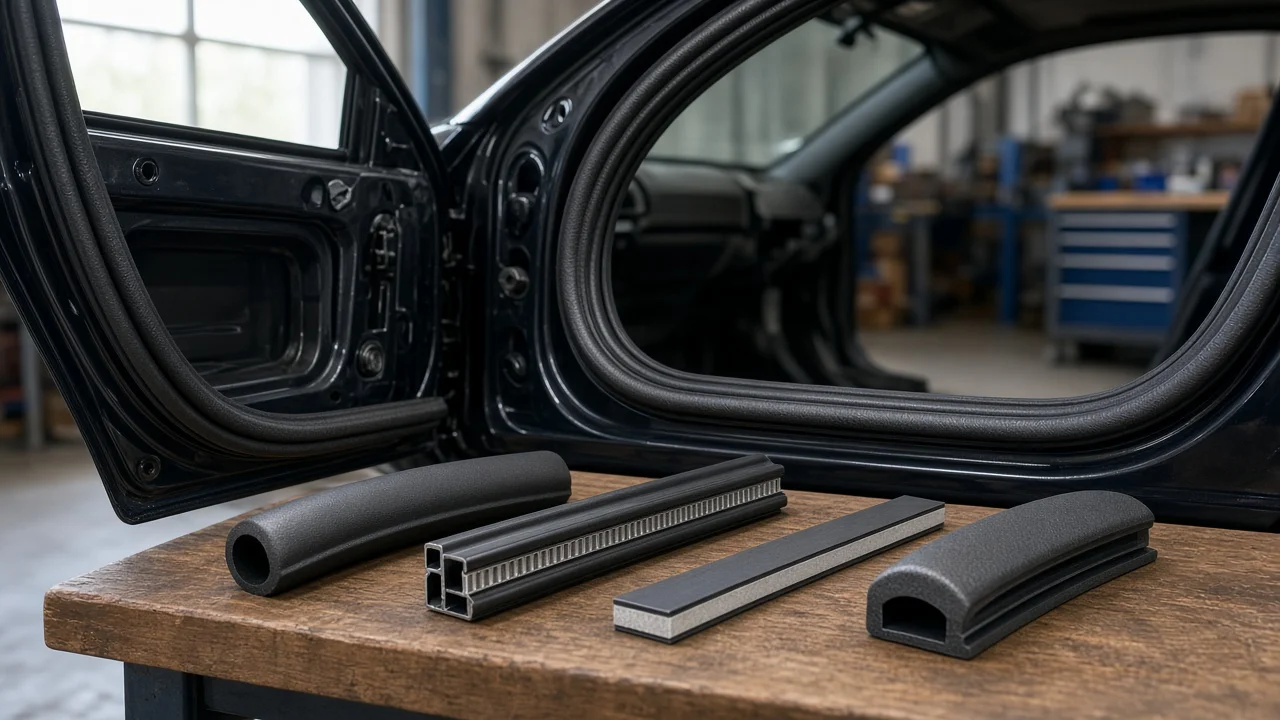
The rubber seal around a car door keeps water, dust and wind noise out of the cabin and helps the door close with a firm, even feel. When it tears, flattens or shrinks, symptoms range from damp carpets to whistling at highway speed. This guide explains the main seal types, how to confirm fitment for your vehicle configuration, which features actually matter, and what to expect after installation, so you can compare replacement options realistically.
Define the job the product must do
Start with the symptom and where it appears. A leak at the bottom of the door, a draft at the upper corner and a rattle when the door is shut point to different parts. Most vehicles use more than one seal: a body-side weatherstrip mounted on the door frame opening, a door-mounted seal around the door shell, and separate window seals such as the glass run channel and the beltline strip at the base of the window. A car door and window rubber seal strip sold as one piece exists on some designs, but many vehicles split these functions, so buying the wrong component will not cure the problem.
A careful inspection helps confirm the cause. Look for cracks, torn sections, flattened areas that no longer spring back, and spots where the strip has pulled away from the flange. A common shop check is to close the door on a strip of paper at several points and feel how much resistance there is when pulling it out; noticeably weaker grip in one area suggests poor contact there. Also consider your operating conditions: hard winters, frequent automatic car washes and strong sun all age rubber differently and may influence which replacement you choose.
Before ordering, rule out problems that only look like seal failure. A sagging door, a worn hinge or a misadjusted striker can leave a gap that no new seal will close, and clogged door or body drains can let water collect inside panels. If your service history shows recent collision repair or door work, check alignment first, then decide whether a seal is really the part you need.
Check compatibility
Vehicle-specific seals are matched to the exact year, make, model, body style and sometimes trim. Front and rear doors usually take different parts, and left and right sides are often mirror images rather than identical. Coupes, sedans, wagons and crew-cab trucks of the same model line can use completely different profiles. The most reliable route is the factory part number, which a dealer parts department can look up from your VIN; aftermarket sellers who list a cross-reference to that number give you something concrete to compare.
Next, identify how the original is mounted. A car door frame rubber seal is often a push-on design with a U-shaped channel and a metal core that grips the pinch weld. Door-mounted seals may use plastic push clips, an adhesive backing, or a combination. Some seals have molded corners that follow the frame shape exactly, while others are a continuous extrusion cut to length. Your replacement needs the same mounting method, or the flange, holes and clip locations will not line up.
If you are considering a universal car door rubber seal strip, measure carefully. Note the flange thickness the channel must grip, the size and shape of the sealing bulb, and the total length needed around the opening. Compare these with the original cross-section where possible. On frameless doors and convertibles, the sealing surfaces are largely on the body and roof rail, so manufacturer specifications matter even more and universal beading is rarely a good substitute.
Features that affect the choice
Material is the first trade-off. EPDM rubber is widely used for automotive weatherstripping because it tolerates ozone, sunlight and temperature swings well. Cheaper strips may use PVC or blended compounds that can stiffen in cold weather or lose shape sooner. Window channels often have a flocked or low-friction coating so the glass slides smoothly; a channel without it can make a power window labor or squeak. A metal-reinforced carrier helps a push-on seal stay put, while a hollow bulb gives the compression that actually blocks air and water.
Treat marketing labels with caution. Phrases such as OEM quality, fits all models or fully waterproof are not evidence on their own. More useful signs are a stated material, a cross-section photo or drawing, an exact length, a listed part number cross-reference, clear fitment notes for your body style and door position, and a return policy that allows you to test fit before installing. Factory seals usually match shape and color most closely; reputable aftermarket parts can be a reasonable alternative when the profile and mounting are clearly documented.
Limitations and ownership costs
Installation varies by design. A push-on body seal is often manageable at home: remove the old strip, clean the flange of dirt and old adhesive, then press the new one on evenly, starting from a reference point so it does not stretch. Clip-in and adhesive door seals take more care, and plastic clips frequently break during removal, so plan on new clips. Some window seals require removing the door trim panel or glass. A new seal can make the door feel stiffer to close at first; if it does not latch properly after a short settling period, recheck fitment and door alignment rather than slamming it.
The car door rubber seal price depends mainly on type and source. Universal strips sold by length are typically the least expensive, vehicle-specific aftermarket seals sit in the middle, and factory molded seals tend to cost the most. Add clips, adhesive or adhesion promoter, and labor if a shop does the work. Upkeep is simple: clean seals with mild soap and water and use a rubber-safe conditioner, avoiding petroleum-based products that can damage some rubber compounds. Conditioning also helps reduce sticking and tearing when doors freeze shut. Follow your owner's manual or maintenance schedule rather than any universal replacement interval.
Know what a seal cannot do. It will not correct a misaligned door, repair rust on the flange, unclog drains, fix a failing window regulator or compensate for body damage. If corrosion is present under the old seal, treat it before fitting the new one, or the problem will return.
Build a practical shortlist
Narrow your options with a short checklist. First, confirm which seal is failing: body-side, door-mounted, glass run channel or beltline. Second, record your year, make, model, body style, door position and side, and obtain the factory part number if you can. Third, match the mounting method and profile, or take accurate measurements for a universal rubber seal for car door use. Fourth, check the stated material and whether corners are molded or cut.
Then compare each candidate on the same terms: documented fitment for your exact vehicle, included clips or adhesive, installation steps you are comfortable doing, return policy, and total cost including any labor. Drop listings that rely only on vague claims without dimensions or cross-references. A part that clearly matches your configuration and is installed on a clean, straight flange will usually serve better than a cheaper strip that only roughly fits.