Car Differential Repair Near Me
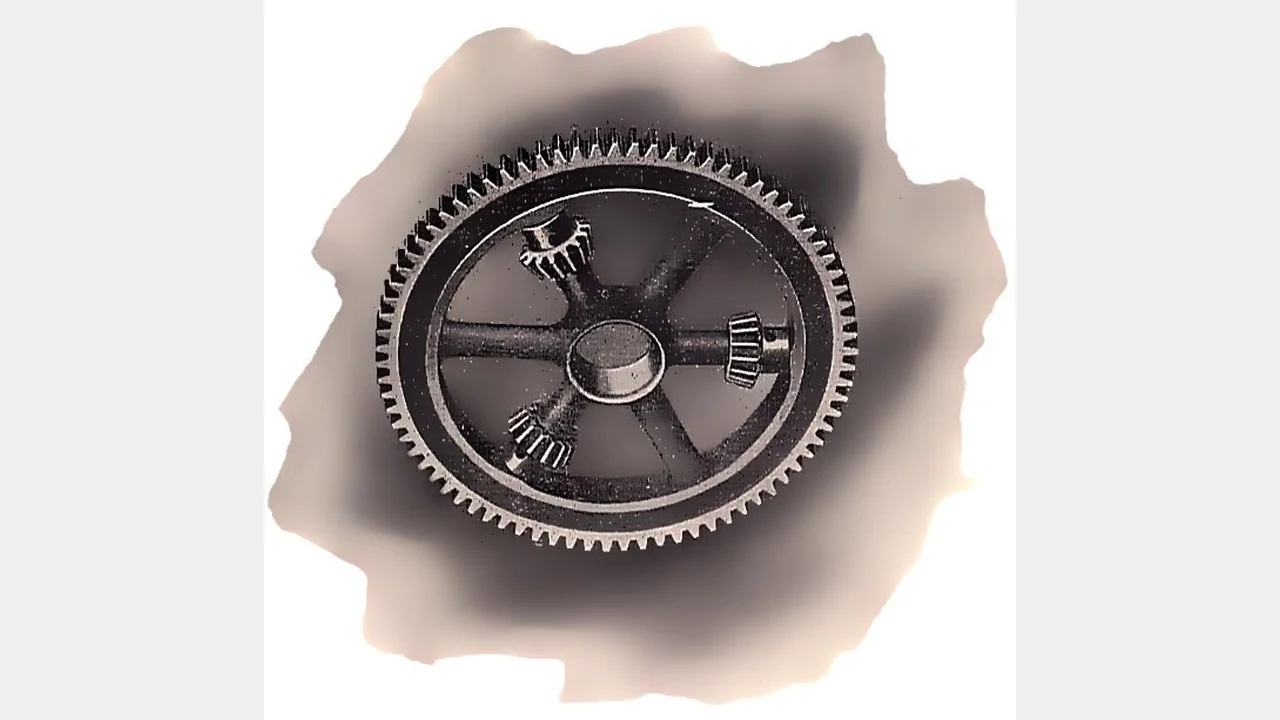
When a differential becomes noisy, leaks fluid, or makes the vehicle feel unstable during turns, searching for "car differential repair near me" is a sensible first step. However, the repair process is not a single fixed operation. The right course depends on the transmission type, the axle design, whether the unit is open or limited-slip, and the specific drivetrain layout. A local shop can inspect the housing, gear set, bearings, and seals, then explain repair options ranging from a simple reseal to a full differential rebuild. The goal is to identify the mechanical cause before approving work.
Essential answer
A differential repair is corrective work on the gear assembly that allows driven wheels to rotate at different speeds while still receiving engine torque. This component sits inside the axle or transaxle, and wear or impact damage can produce whining, rumbling, or grinding. Because the unit shares load with the final drive and, in some designs, the transmission housing, the exact repair path depends on transmission type and fitment. A technician must first distinguish a differential concern from a wheel bearing, CV joint, or driveshaft issue.
The practical answer to the search is to locate a nearby drivetrain or transmission specialist who can evaluate the unit before quoting any service. Repair options may include replacing bearings and seals, correcting gear backlash, or installing a remanufactured differential. The navigational intent means the searcher is looking for a shop, but understanding the possible work helps avoid approving an incorrect service. Vehicle-specific confirmation of fluid specification and differential design should occur before parts are ordered or the carrier is removed.
Diagnosing a problem
Noise that changes with speed but not necessarily with gear selection often points toward the differential, carrier bearings, or ring and pinion. A rhythmic vibration during acceleration or coast can indicate worn bearing preload or incorrect backlash. If the sound grows louder during gentle side-to-side loading, the differential side bearings or axle bearings are more suspect than a transmission gear. Checking the lubricant level and inspecting drained fluid for metallic particles helps distinguish gradual wear from a failing bearing or chipped gear tooth.
Diagnostic codes and shift behavior alone cannot prove a differential failure. Some modern vehicles integrate sensors in the drivetrain and may store faults for clutch, actuator, or speed-sensor concerns in electronically controlled limited-slip or all-wheel-drive units, but those codes still require mechanical inspection. The vehicle should not be driven if the differential is locking unexpectedly, producing severe grinding, or leaking heavily, because continued use may ruin the gears and housing. A shop can confirm fitment and service history before recommending a repair.