Car dashboard duster
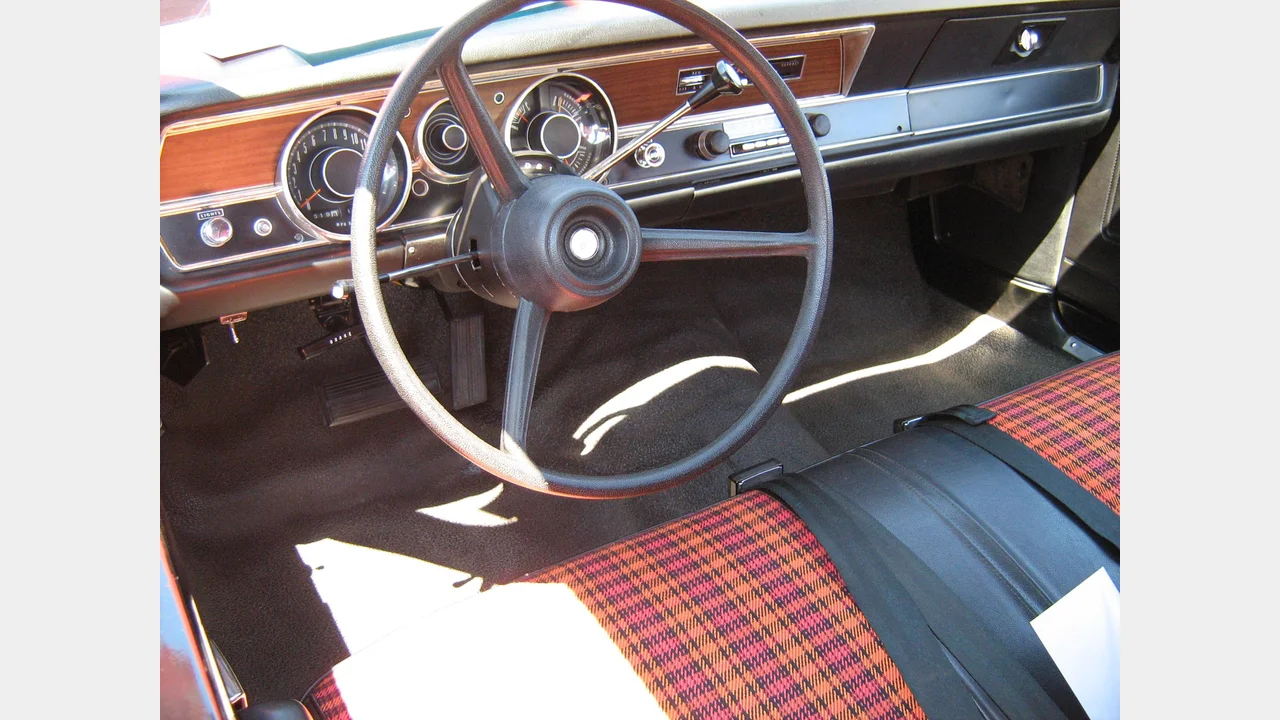
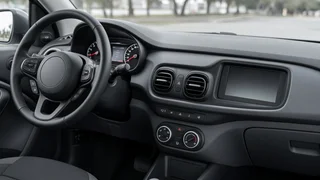
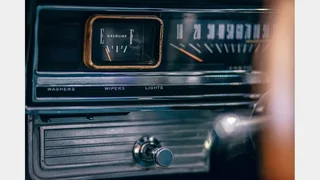
A clean instrument cluster keeps every warning indicator, display message, and operating-status readout easy to see at a glance, so choosing the right car dashboard duster is more than a cosmetic decision. Dust settles even in closed cabins and can dull the clear plastic lens over the instrument panel. The right tool removes light debris without pushing particles into vents or scratching delicate surfaces. A practical choice balances soft fiber reach, compact storage, and materials that will not leave residue behind during a quick pre-drive tidy or after a diagnostic check.
The direct answer
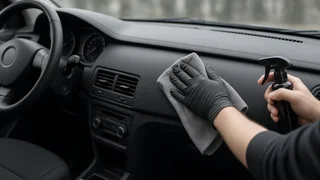
The most useful car dashboard duster is a soft, low-lint tool sized for tight spaces between the dash top, infotainment screen, and steering column. It should trap fine particles instead of simply moving them across the panel. A short handle with dense microfiber or fine natural fibers gives better control around gauge surrounds and warning indicator lenses. Avoid stiff brushes, coarse yarn, or treated dusters that can leave an oily film over the clear cover. For most drivers, a compact handheld style with a washable head is the practical starting point.
Effectiveness depends on how the fibers interact with static and textured surfaces. A dry microfiber head naturally attracts light dust and lifts it away from the instrument cluster without moisture. This matters near display message screens and control buttons where lint is especially visible. The duster should also reach the lower dash shelf and the top of the steering column without dragging your hand across controls. If the owner manual warns against certain cleaners on the clear lens, a dry-only duster is the safer default choice for routine dust removal.