Car Cover for Long-Term and Winter Storage: Choosing the Right Protection
The Short Answer
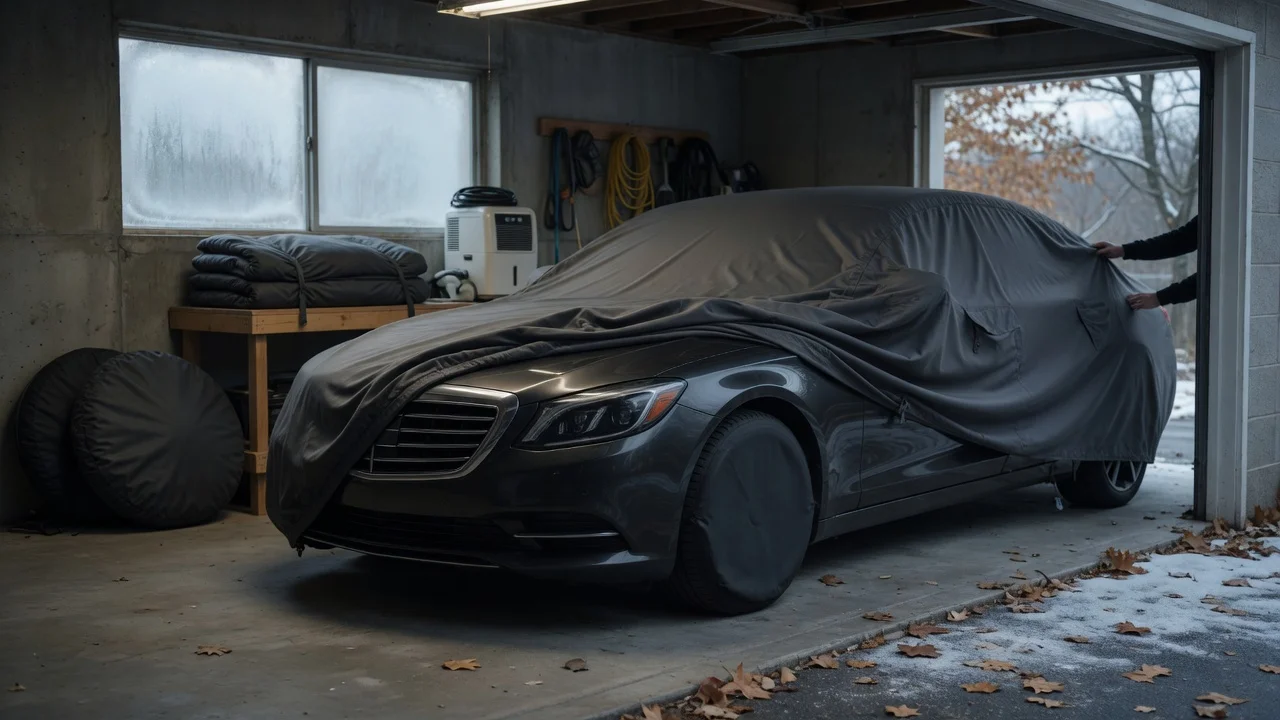
For long-term and winter storage, the most suitable car cover depends on where the vehicle is parked. An indoor cover is best for a garage or storage unit because it protects against dust and minor scuffs while allowing moisture to escape. An outdoor cover is necessary if the car sits outside, as it must block rain, snow, and UV light. The critical condition that changes the recommendation is location: buying an outdoor-rated cover for indoor use often adds unnecessary cost and bulk, while using a breathable indoor cover outside leaves the paint exposed to water and sunlight.
Indoor Covers for Long-Term Storage
A car stored in a garage or enclosed facility still needs a cover. An indoor cover acts as a barrier against dust that settles over months, and it helps prevent light scuffs from people walking past or moving items nearby. The most important property of an indoor cover is breathability. The material should let any trapped moisture evaporate rather than holding it against the paint, which can cause microblistering or haze over a long storage period.
Common indoor cover fabrics are lightweight and soft. Single-layer synthetics such as non-woven polypropylene or satin-like polyester are easy to fold and put on. Flannel-lined cotton or cotton-blend covers are heavier and provide a thicker cushion, but they can hold moisture longer than synthetic options. If the storage space is clean and dry, a lightweight breathable synthetic is sufficient and easier to handle.
Outdoor Covers for Winter Storage
A car parked outside through winter needs a cover designed for weather. A quality outdoor cover has at least two main properties: water resistance to shed rain and snow, and UV resistance to stop sunlight from degrading the fabric and fading interior surfaces. It still must breathe; a completely waterproof tarp traps condensation from temperature swings and can damage the finish more than leaving the car uncovered.
Outdoor winter covers are usually multi-layer. A typical construction combines an outer water-resistant film with an inner soft layer that touches the paint. Some covers are marketed as all-weather and use materials like solution-dyed acrylic, which offers good UV resistance and remains somewhat pliable in cold temperatures. Cheaper single-layer plastic tarps should be avoided for long-term storage because they are not breathable and can chafe the paint in the wind.
Fit Matters More Than Brand
A cover that flaps in the wind will wear against the paint. For long-term outdoor storage, choose a custom-fit cover for the specific model and body style when possible. A custom fit keeps the cover snug over mirrors, bumpers, and the roofline, which reduces movement and prevents pockets where water or debris can collect.
Semi-custom covers are sized by vehicle type, such as mid-size sedan or full-size truck. They are less expensive and easier to find, but they may leave loose areas. A universal cover is the least desirable for long-term use. If the cover is too large, tie-down straps and an elastic hem help, but they do not solve the problem of excess fabric pooling in body contours.
Preparation Before Covering
The most common cause of paint damage in storage is not the cover itself but what is trapped under it. The vehicle should be washed and fully dried before the cover goes on. Dirt, road salt, or grit left on the body can be pressed against the paint by the cover and cause fine scratches or staining over months.
For winter storage, also make sure the vehicle is ready mechanically. A full fuel tank reduces condensation inside the tank, and a battery maintainer prevents a slow discharge. Inflate tires to the recommended pressure or slightly above to reduce flat-spotting. These steps matter as much as the cover for preserving the car through the season.
Breathability and Moisture Trade-Offs
Every cover is a compromise between keeping water out and letting moisture escape. Outdoor covers use hydrophobic membranes or tight weaves, but no sewn cover is fully waterproof. Seams and mirror pockets can allow water entry, and condensation still forms underneath when temperatures rise and fall. That is why the inner layer of a good cover is soft and non-abrasive, and why the cover should be removed periodically to let both the car and the cover dry when conditions allow.
If the car is stored over an unpaved surface such as gravel or grass, moisture rising from the ground is a bigger concern. A breathable car cover cannot stop humidity from below. In that case, a vapor barrier on the ground or relocating the car to pavement matters more than upgrading to a heavier cover.
What to Look For in a Winter Cover
Outdoor-rated fabric with UV stabilizers; Soft, non-abrasive inner layer; Elastic hem and tie-down loops or grommets; Mirror pockets that match the vehicle; Seams that are reinforced or folded to limit water entry; A storage bag large enough to hold the folded cover
What to Avoid
Plastic sheeting or tarps that cannot breathe; Covers with exposed rough stitching on the inside; Universal covers for long-term outdoor use on a vehicle with a complex shape; Putting a cover on a dirty or wet car
Gaps in General Advice
The endurance of a specific cover depends on local conditions: hours of direct sun, freeze-thaw cycles, wind exposure, and whether tree sap or industrial fallout is present. Manufacturer warranties vary, and no cover guarantees full protection against hail or falling debris. A car cover is a maintenance accessory, not a substitute for covered parking when severe weather is expected. For vehicles with delicate finishes, ceramic coatings or paint protection film may reduce the risk of contact damage, but the cover still needs to fit properly and stay clean.