Car Brands by Reliability
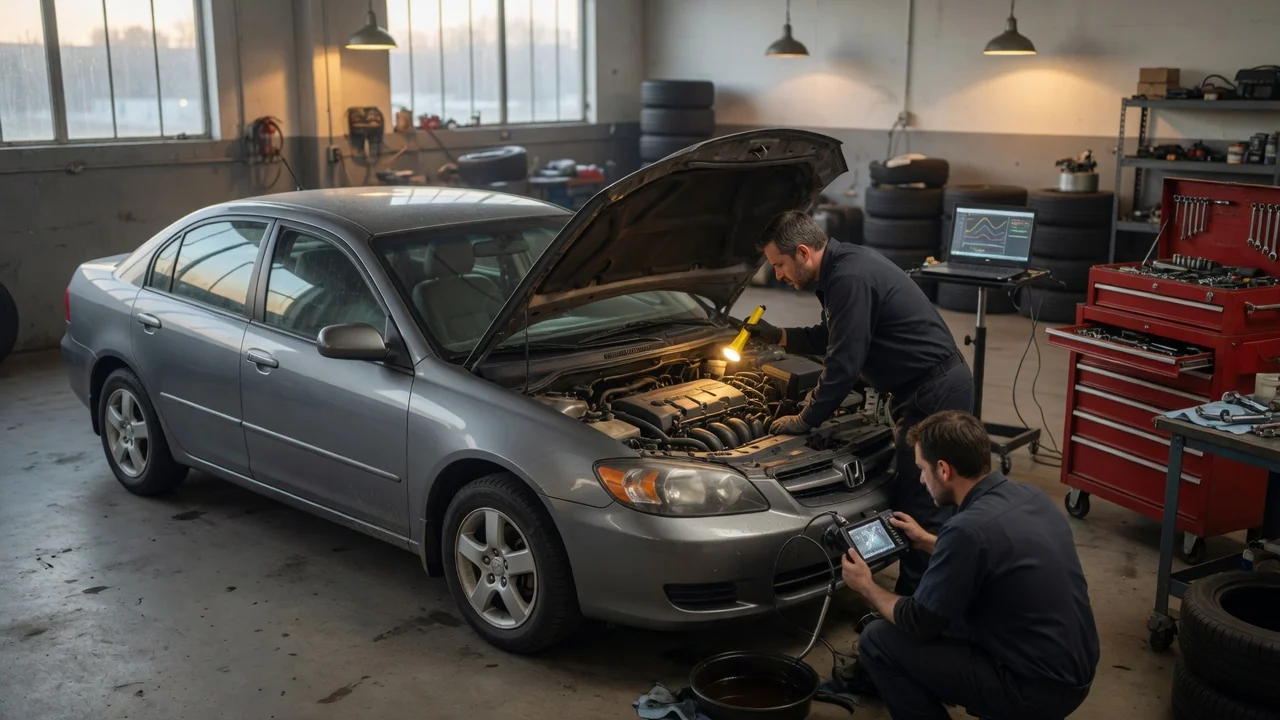
Which car brands are the most reliable?
The supplied information does not include reliability studies, owner-survey results or repair records, so it cannot support a ranking of car brands or identify a most reliable brand. A supported answer would need a dated source, the market covered and a clear definition of reliability.
For a buying decision, treat a brand ranking as a starting point. Check whether its findings apply to the model year, generation and powertrain you are considering. A brand-level score alone does not establish the reliability of a particular vehicle.
What to check in a reliability ranking
Look for an explanation of what the ranking measures: reported faults, serious mechanical failures, repair costs or another defined outcome. These measures answer different ownership questions. Also check the vehicles’ ages, the observation period, the number of responses and whether the results describe observed problems or predict future reliability.
Compare brands within evidence that uses consistent criteria. If two rankings disagree, examine their methods and vehicle coverage before treating either order as decisive. Without that information, the reason for the disagreement remains uncertain.
How to use reliability evidence when choosing a car
Start with vehicles that meet your budget and practical needs, then look for reliability findings covering their exact model years and powertrains. Keep fault frequency separate from repair expense: decide whether your priority is avoiding breakdowns, limiting unexpected bills or reducing time without the vehicle.
For a used car, review the individual vehicle’s service records and arrange an independent inspection before purchase. Use those findings alongside relevant reliability data. The evidence missing here is a current, market-specific study with model-level detail; without it, naming or ordering brands would be speculation.