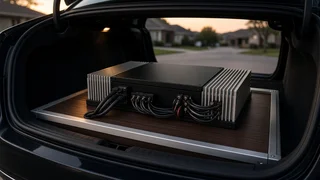
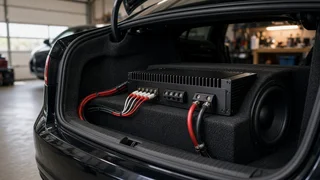
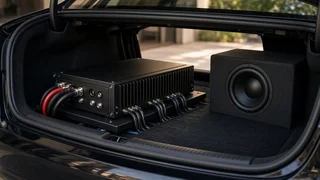
Car audio amplifier troubleshooting
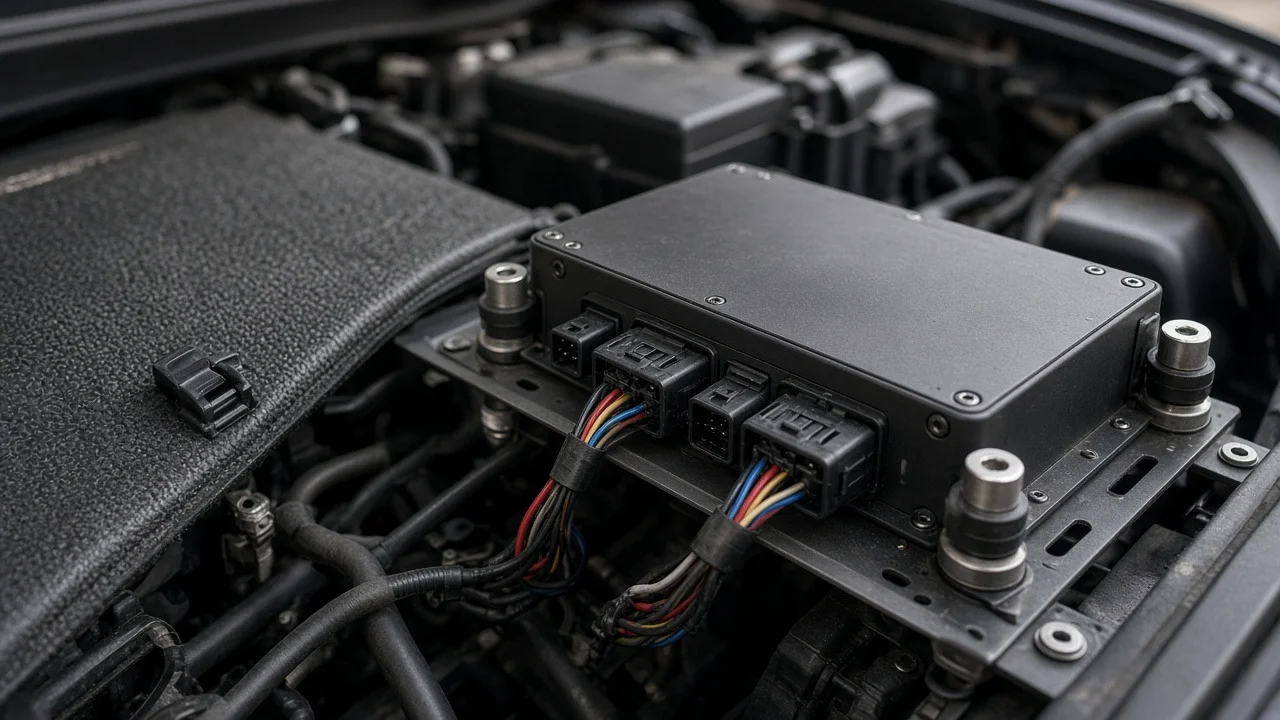
A silent or distorted car audio system often points to the amplifier, but the amplifier is only one component in a longer signal chain. Problems at the head unit, in the speaker wiring, or with the audio source can mimic amplifier failure. Effective diagnosis starts by separating the amplifier’s behavior from the rest of the vehicle integration and signal reception path. This guide explains how to interpret common symptoms, test the amplifier’s inputs and outputs, and identify whether the fault lies inside the amplifier or elsewhere in the system.
Direct answer
Car audio amplifier troubleshooting should begin by checking whether the amplifier is receiving power, ground, and an audio signal from the head unit. A properly powered amplifier usually shows a lit indicator or produces a faint relay click. If it remains dark with the radio on, the issue is likely a blown fuse, a disconnected remote turn-on lead, a poor ground connection, or a loose battery or chassis terminal rather than an internal amplifier failure. Confirming these basic conditions first prevents unnecessary component replacement.
Next, isolate the audio source and speaker wiring from the amplifier itself. Play a known-good track from a phone or portable player through the amplifier’s inputs, or temporarily connect a test speaker directly to its outputs. If the test speaker plays cleanly, the original speakers or their wiring may be shorted or open. If the sound cuts out with vibration or changes when wiggling connectors, look for a cracked solder joint, corroded terminal, or pinched wire. When the amplifier still misbehaves with known-good inputs and a test speaker, the unit itself is the more likely suspect.