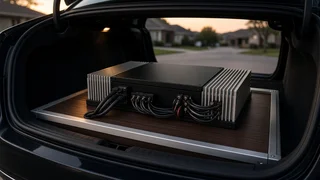
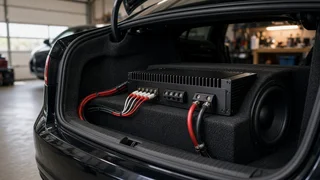
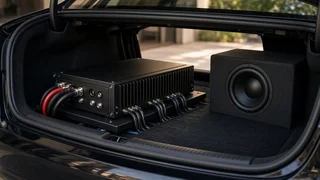
Car audio amplifier pa 80D
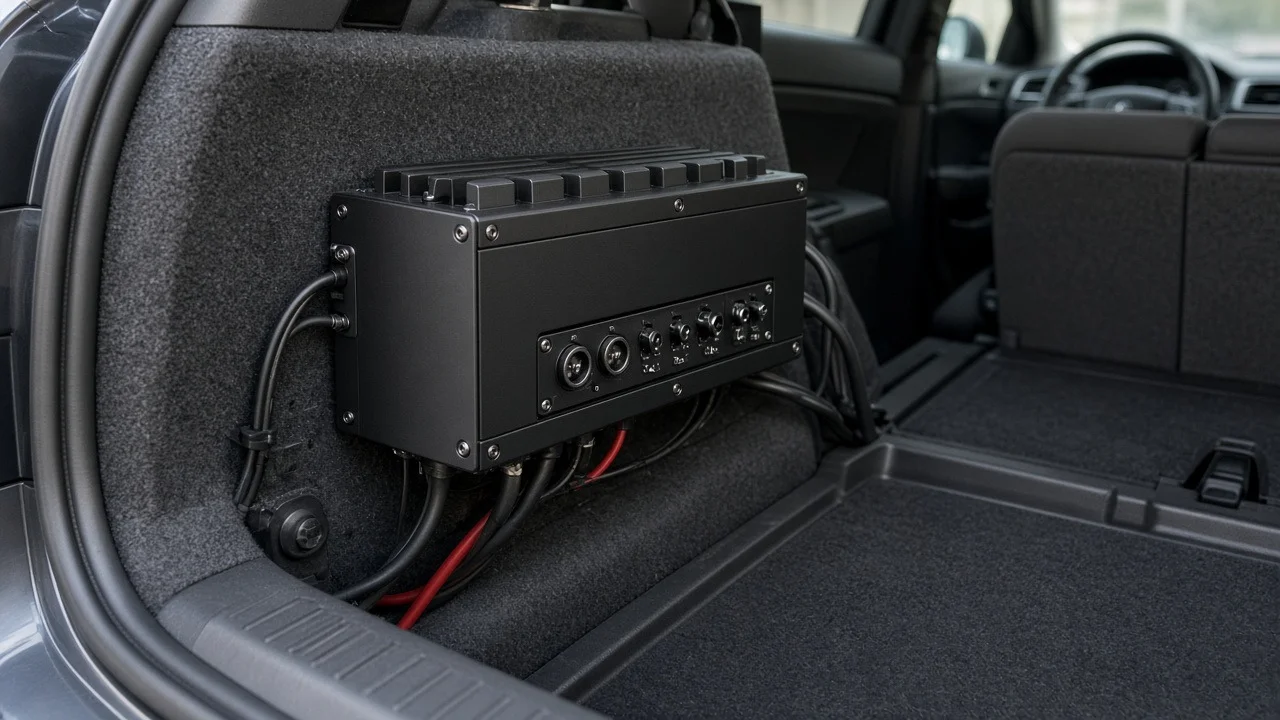
Shopping for a car audio amplifier pa 80d means interpreting a model designation rather than relying on a single universal specification. The name may identify an OEM or aftermarket unit, so the practical goal is to understand what the label suggests about power, input signals, and how the amplifier integrates with a head unit and existing speaker wiring. This matters when replacing a failed component or planning an upgrade, because an amplifier must match the vehicle integration and the audio source already present in the car. A cautious buyer should treat the model code as the starting point for confirming fitment, signal type, and realistic installation requirements.
The direct answer
The immediate answer is that a car audio amplifier pa 80d should be evaluated as an amplifier whose model code indicates a likely configuration, but not a confirmed set of ratings. Without published documentation, the “80” may refer to total or per-channel output capability, while the “D” often points to a Class D design or a revision letter. The practical buying condition is whether the unit matches the vehicle’s electrical system, input voltage from the head unit, and speaker load. Any purchase should begin by looking for that exact label on the original housing and comparing its connector layout, gain controls, and power terminals with the wiring already in the dashboard or trunk.
A Class D interpretation is important because this topology runs efficiently and produces less heat for a given output than older Class AB designs. That efficiency can make the amplifier smaller and easier to mount, but it also means the unit is more dependent on clean input signal and adequate supply current. If the amplifier is an original equipment replacement, the priority is not maximum wattage but preserving the intended signal reception and volume behavior. If it is an aftermarket item, the buyer should confirm whether the amplifier accepts speaker-level input from a factory radio or requires a separate low-level audio source, since that determines the need for adapters or additional interface hardware.