Car Alarm Goes Off When Unlocking or Opening a Door: Causes and Fixes
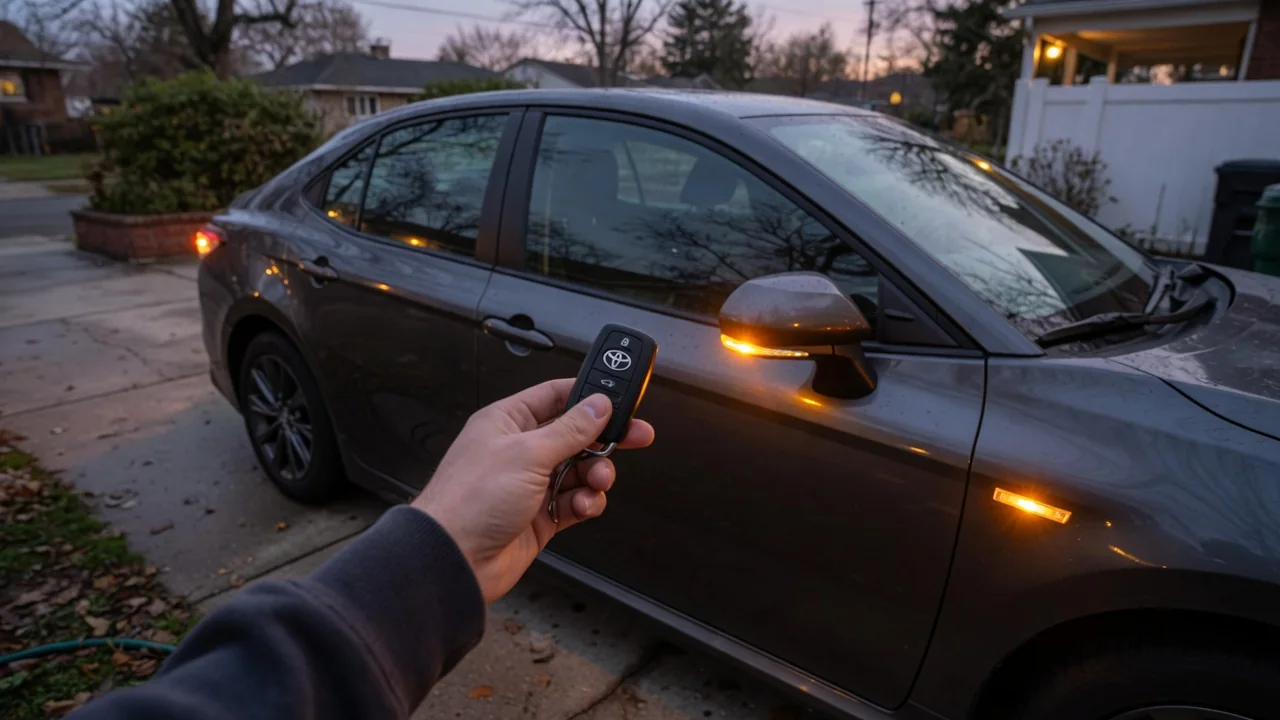
A car alarm going off even when unlocked usually means the security system never registered a proper disarm, or a sensor is reporting something that is not happening. Whether the horn sounds when you turn the metal key, pull an inside handle, or simply open a door, the cause tends to trace back to how the system arms, what it monitors, and the health of the batteries powering it.
Why Unlocking With the Metal Key Can Set Off the Alarm
Many factory anti-theft systems are designed to disarm only when they receive a valid signal from the remote key fob or recognize a coded key at the ignition. On those vehicles, turning the door lock cylinder releases the latch mechanically but tells the security logic nothing. The system still considers itself armed, so the moment the door swings open it reads the event as an intrusion and sounds the horn, even though the correct key was used by the rightful owner.
This behavior is not universal. Some vehicles do disarm through the driver's door lock cylinder, others never do, and the logic can change with make, model, year and even trim level. The owner's manual describes exactly how your vehicle arms and disarms, and it is a better guide than any general rule. An aftermarket alarm adds another layer, because it may follow its own disarm method, sometimes involving a separate remote or a hidden switch, as described in the installer's documentation.
Owner-Safe Ways to Unlock Without Triggering the Alarm
If you are wondering how to unlock a car without the alarm going off, the dependable habit is to disarm first and open the door second. Pressing the unlock button on the fob sends the signal the system is waiting for, and most vehicles confirm it with a light flash or chirp. A weak fob battery makes this step unreliable, since the signal may reach the car only at very close range or not at all, leaving the system armed while you assume it has been switched off.
When the fob is dead and you must unlock the car door with the key, expect that the alarm may sound and know how to stop it. On many vehicles, inserting the ignition key and switching the ignition on is the recognized disarm; keyless entry models often have a designated backup spot where the fob is held or placed before pressing the start button. That location and sequence vary, so confirm them in your manual or with a dealer, and keep a spare fob battery on hand.
Unlocking From Inside the Car Without Setting Off the Alarm
Alarms can also trigger from the inside. If the car was locked with the fob while someone stayed in a seat, the system is armed like any other time. Pressing the interior lock switch or pulling the inside handle may open the door without disarming anything, and on some vehicles the door opening is then treated as a break-in. Interior motion sensors, where fitted, can react to an occupant moving around well before a door is ever touched.
To unlock the car from inside without the alarm going off, press the fob unlock button or switch the ignition on before opening the door. Some vehicles also offer lock modes or settings that suppress interior sensors or change how the locks behave when occupants remain inside; check your manual to see whether yours does. None of this makes it acceptable to leave children or pets alone in a locked vehicle, and alarm behavior should never be counted on as a safety feature.
Alarm Keeps Going Off Even After the Car Is Unlocked
When a car alarm keeps going off even when unlocked, the possible causes fall into a few broad areas. The fob signal may not have been received, the fob battery or the vehicle's 12-volt battery may be weak, a door, hood or trunk switch may be reporting open when everything is shut, or an aftermarket alarm module may be faulting. Useful observations include whether the dash shows a door-ajar or hood-open warning, whether the noise stops once the ignition is on, and whether only one door is involved.
A weak or failing 12-volt battery deserves early attention, because low or unstable voltage can make locks, keyless entry and the alarm behave erratically, especially after the car has sat for a while. Having the battery tested at a shop or parts counter is a sensible first check. Keep the limits of these clues in mind, though: they point toward an area worth investigating, but they do not confirm that any particular switch, module or battery has actually failed.
Alarm Sounds Every Time a Door Is Opened
If the car alarm keeps going off when you open a door despite a normal disarm, the door monitoring circuit is a logical place to look. Each door has a position switch or a sensor built into the latch that tells the body electronics whether it is open or closed. When one of these reports incorrectly or intermittently, the system can see a door opening at the wrong moment, or lose track of its state between arming and disarming, and respond with a false alarm.
Clues tend to show up elsewhere: an interior light that stays on or flickers, a door ajar switch warning with every door shut, or trouble tied to one particular door. A hood latch switch can produce similar symptoms with no door involved, and its location varies by vehicle. Resist the urge to pull fuses, cut wires or disconnect alarm components to silence the noise, since those circuits are often shared and doing so can disable other systems or create new electrical faults.
When to Get the Alarm System Professionally Diagnosed
Some patterns call for professional testing rather than more guessing: repeated false alarms, locks that respond only some of the time, security warning messages on the dash, or an alarm that will not stop after a normal disarm. A dealer or qualified auto electrician can scan the body control module and security modules, test door and hood switches directly, and confirm whether the fob is still programmed to the vehicle, which are checks that cannot be done reliably from the driver's seat.
Any diagnostic codes that turn up are evidence to interpret, not a verdict on a part. Their meanings can differ between manufacturers, so they need to be read against vehicle-specific service information before anything is replaced. You can shorten the process by bringing notes on when the alarm triggers, which door or panel seems involved, how the weather or parking duration affects it, and any recent battery replacement, fob work or accessory installation, including an aftermarket alarm or remote starter.