Car AC Belt Replacement: Signs of Wear and What the Job Involves
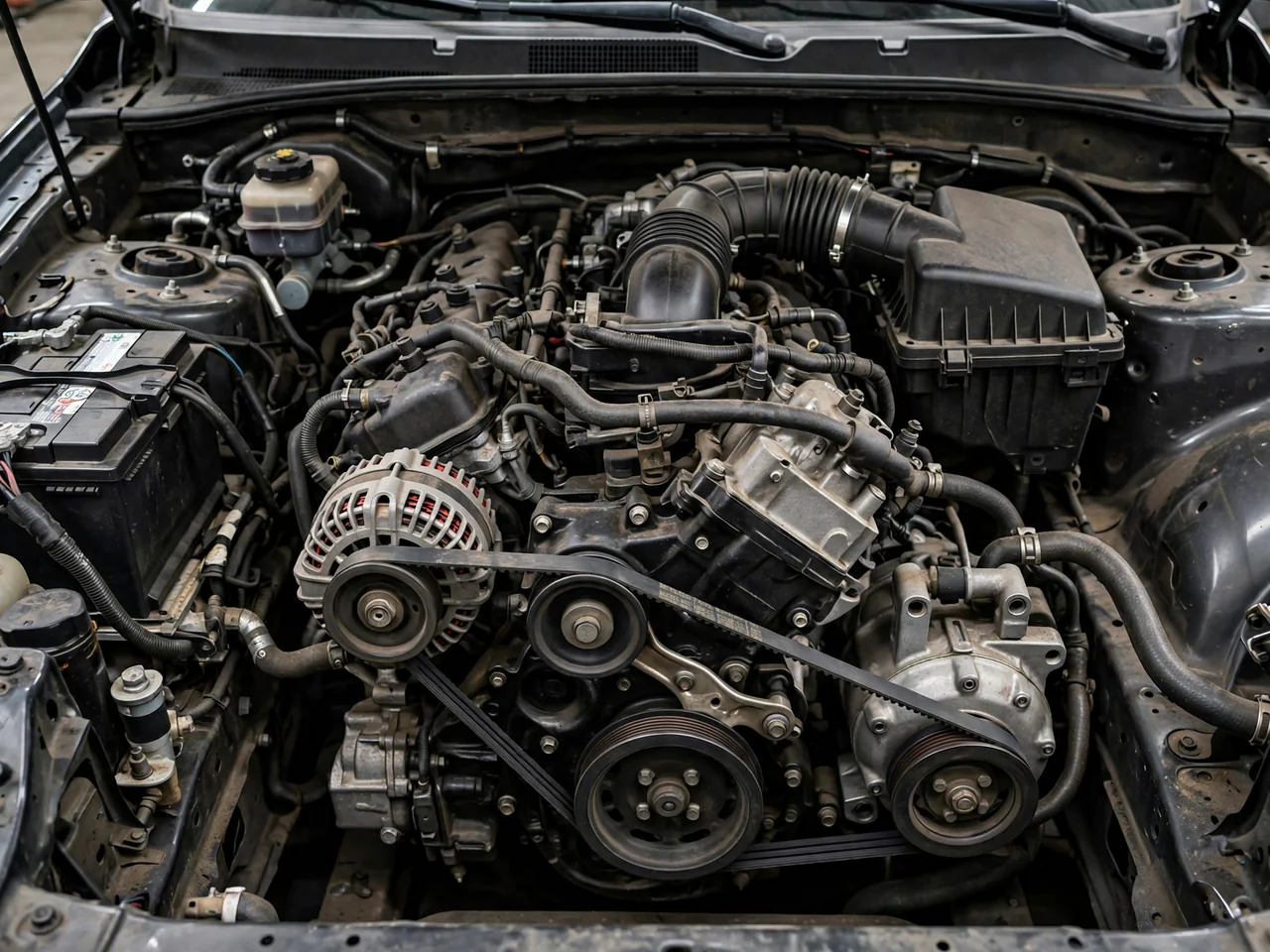
Car AC belt replacement starts with understanding how the compressor is driven. Many vehicles use an AC compressor drive belt or a shared serpentine belt to turn the compressor when cooling is requested. Wear, belt squeal, and belt slipping can reduce cooling and, on some layouts, affect other accessories. The right inspection, tensioner and pulley checks, and a vehicle-specific replacement procedure matter more than treating every cooling complaint as a belt problem.
Identify How Your Car Drives the AC Compressor
A belt-driven AC compressor may run from a dedicated AC compressor drive belt or from a shared accessory belt, often a multi-rib serpentine belt that also turns the alternator, water pump, or power steering pump. Layout is vehicle-specific, not universal. Some vehicles use an electric AC compressor with no AC compressor drive belt. If there is no belt path to the compressor, car AC belt replacement is not the cooling repair, and diagnosis should look at electrical supply, compressor control, and the refrigerant system.
Identifying the belt arrangement requires the vehicle's year, model, engine, and current service information. Engines in the same model line can use different pulley counts, routing diagrams, belt lengths, and tensioning methods. Service information also shows whether the compressor clutch loads a shared serpentine belt or a separate drive, and whether a stretch-fit belt or a spring-loaded belt tensioner is used. Without that match, a replacement belt may be the wrong length or rib profile, and pulley alignment or tension cannot be verified against the intended design.
Recognize Squealing, Slipping, and Visible Belt Wear
Belt squeal that appears when air conditioning is requested can indicate belt slipping as compressor load rises. The clutch engaging adds drag, so a belt that was quiet at idle may chirp once the compressor is commanded on. Slip can come from low tension, oil or coolant contamination, a glazed surface, a weak belt tensioner, a seized idler, poor pulley alignment, or a compressor that is unusually hard to turn. The noise is a clue, not a parts list, and each condition needs inspection.
Frayed edges, missing rib material, cracks, glazing, and a belt riding off-center are reasons to inspect the drive, not proof of remaining belt wear life. A belt can look acceptable and still slip under compressor load, and a damaged belt can still turn the compressor until it jumps or breaks. Intermittent cooling can accompany a drive problem without proving the belt is at fault. Limit owner checks to an engine-off, cool vehicle, stay clear of the belt path, and remember fans can start unexpectedly after shutdown.
Know When Belt Symptoms Require Prompt Attention
On a shared serpentine belt, failure can interrupt more than air conditioning. Depending on the vehicle's layout, the same belt may drive the alternator, water pump, or power steering pump, so a broken or thrown belt can bring charging loss, rising coolant temperature, or heavy steering. Those consequences are layout-specific, not guaranteed on every car. If the engine overheats, you see smoke, or steering assistance disappears suddenly, pull over safely, shut the engine down, and arrange professional help rather than continuing to drive in hope that cooling will return.
A loose, displaced, or visibly damaged belt warrants inspection before further driving because it can jump a pulley, shred, or lose drive under load. Continuing with obvious belt wear or misrouting risks sudden accessory loss and collateral damage to pulleys or the radiator area. Do not apply belt dressing, improvise tension with improvised hardware, or try to watch a moving belt for slip. Dressing can contaminate ribs and pulleys, homemade tension changes can destroy a belt tensioner or bearings, and a moving belt path is a serious pinch and entanglement hazard.
What Car AC Belt Replacement Involves
Car AC belt replacement at a shop is more than sliding a new belt onto pulleys. The technician confirms the correct belt for the engine and routing, inspects the drive system, installs the belt with the vehicle-specific procedure, and verifies that the compressor and other driven accessories operate. The belt tensioner, idler pulleys, pulley alignment, and compressor pulley or clutch condition need assessment so an underlying fault does not chew up the replacement. A seized bearing, cocked pulley, or misaligned compressor can destroy a new belt quickly even when the old one looked like the only worn part.
Stretch-fit belts and other tensioning arrangements have specific procedures that require the right tools and current service information. Forcing a stretch belt with improvised levers, or releasing a spring tensioner the wrong way, can injure the installer or damage the belt and pulleys. Belt replacement ordinarily does not require opening the refrigerant circuit; the compressor stays sealed while the drive is serviced. Poor cooling after a sound belt and clutch still needs separate refrigerant and control diagnosis, not another belt change by default.
Understand the Estimate and Confirm the Repair
The estimate for car AC belt replacement depends on access, belt arrangement, labor time, and any confirmed damage to associated components, not on a single typical price. A dedicated compressor belt in an open bay is a different job from a serpentine belt buried behind engine mounts, covers, or a crank pulley damper. If the shop proposes a belt tensioner, idler, or compressor pulley at the same time, request an itemized explanation and the findings that support it, such as seized rotation, excessive play, noise, or measured misalignment. Extra parts should follow inspection, not a bundled assumption.
After replacement, the drive should be checked for correct belt tracking, appropriate tension for that design, abnormal noise with the compressor loaded, and actual AC operation. A new belt that walks off a pulley, chirps under clutch engagement, or leaves the compressor turning slowly still has an unresolved drive issue. Persistent poor cooling after a verified belt job needs further AC diagnosis of airflow, blend control, refrigerant circuit performance, and compressor command. It should not automatically lead to another belt replacement or a refrigerant recharge without evidence that those steps address the remaining fault.