Can You Use Car Wax on Glass, Headlights, Leather or Interior Trim?
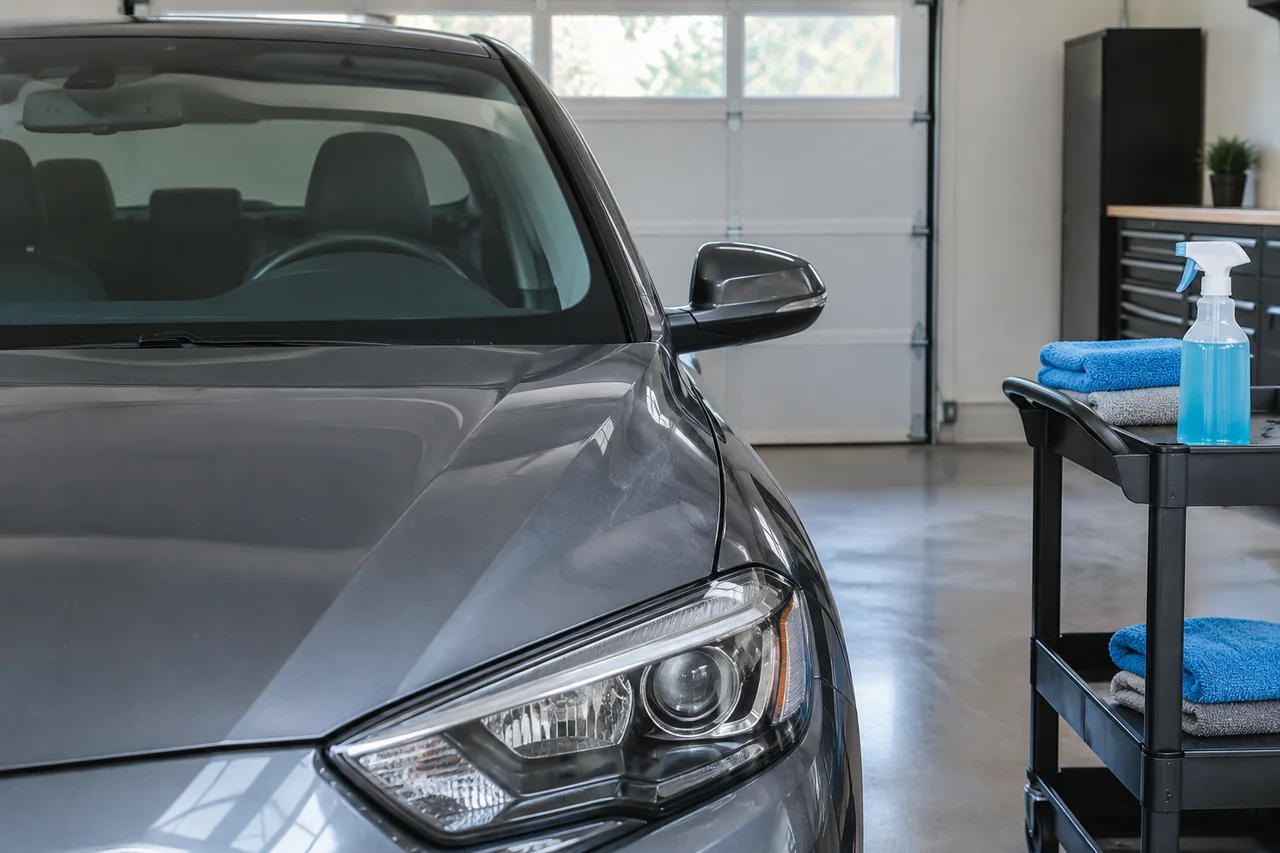
Paint wax is made for painted bodywork, not a catch-all finish. Using car wax on glass, headlights, leather, or interior trim is only appropriate when the product label and vehicle care guidance allow that exact surface, including any existing film or coating. Ordinary paint wax can leave haze, residue, or reduced grip. Choose glass-safe or interior-approved products when compatibility is not clearly stated.
Check Surface Approval Before Using Paint Wax
Approval for painted panels does not mean the same paste or spray is suitable for glass, headlight lenses, leather, or interior trim. A product sold as paint wax is typically intended to fill microscopic texture and add a sacrificial layer on clearcoat, not on optical or upholstery surfaces. Cleaner waxes may also contain abrasives or detergents that lift oxidation from paint; those ingredients can haze plastic, dull coated leather, or leave a film that is hard to wipe evenly. The word wax by itself cannot establish product label compatibility.
Read the label for the exact surface you intend to treat, and check vehicle care guidance if a factory film or aftermarket coating is already present. Interior car wax and body wax are not interchangeable just because both feel slick. A hidden-area test can reveal discoloration or residue, but it cannot prove safety on a windshield, camera glass, or a headlight that must stay optically clear. If the instructions omit glass, lenses, leather, or plastics, choose a product written for that material rather than assuming the paint formula will behave the same way.
Paint Wax on Windshields: Haze, Glare and Wiper Problems
Do not apply ordinary paint wax to the windshield unless the product explicitly permits that use and the vehicle maker allows it. Car wax on a windshield is a common source of windshield haze because oils and polymers smear under washer fluid and wiper pressure. Glare at night or in low sun can appear even when water beads look attractive. Beading only shows surface energy; it does not confirm an undistorted view through the glass. Car windshield wax sold as paint protection is not the same as a glass-rated rain treatment.
While the vehicle is parked, look for streaks, rainbow film, and residue left after a washer and wiper cycle. Wiper chatter can start when wax on a car windshield creates sticky patches the blade cannot follow smoothly. Those symptoms show something is interfering with wiping, but they cannot identify the exact residue or prove the glass is damaged. Impaired visibility must be cleared before you drive. If wax for a car windshield was applied by accident, treat the smear as a viewing problem first and wait until the glass is clean and the blades wipe evenly.
How to Remove Accidental Wax Haze From a Windshield
Work on cool glass while parked. Use a glass-safe cleaner as labeled and several clean microfiber towels, folding to a fresh face as soon as the cloth starts to drag. Wax car windshield residue often smears rather than lifts on the first pass, so light overlapping strokes and a dry buffing towel help more than extra product. Contaminated towels or wiper blades can redeposit the same film. If blades leave streaks after the glass looks better, clean or replace them according to vehicle guidance rather than running them through the smear again.
Skip improvised solvents, abrasive compounds, and scraping, especially where rain-repellent films, factory coatings, or camera glass may be present. Those methods can etch, dull, or lift a coating without proving the haze was only wax. After cleaning, check clarity and wiping while stationary, looking through the glass toward a bright sky and a dark background so leftover windshield haze and glare show up. Persistent haze, night glare, or possible surface damage needs professional assessment rather than stronger DIY chemistry. Do not drive until the view is acceptably clear and the wipers travel without grabbing.
Window Care With Glass-Approved Products
Exterior window glass is not the same as interior tint film, printed defroster lines, or aftermarket coatings. Product approval for one of those surfaces does not automatically cover the others. Ordinary paint wax should not be assumed suitable as car wax on windows or as wax for car windows, including side and rear glass. Oils can creep into rubber channels and leave a film that is harder to remove than on paint. Car window wax that is really a body product can also fog the inside of glass if overspray lands on cabin surfaces.
When you want water to sheet or bead on glass, use a rain repellent or glass sealant labeled for the intended pane rather than trying to wax car windows with a paint formula. Those glass products can change how water behaves, but they do not guarantee better visibility in every storm, at every speed, or with worn blades. Follow application, removal, and curing directions, and note restrictions around wipers, cameras, rain sensors, and treated glass. Wax on car windows that was never meant for optics should be removed with a glass-safe cleaner before a dedicated glass treatment is applied.
Headlight Wax Requires Lens and Coating Compatibility
Car headlight wax is only appropriate when the product explicitly permits use on the lens material and finish. Car wax for headlights that is actually a paint wax may polish clearcoat well and still leave a greasy film on polycarbonate or on a restored headlight lens coating. Residue around lens edges, seams, and the housing lip is especially visible because those areas catch product that is hard to buff flat. If wax for car headlights was applied by mistake, gentle cleaning should follow the cleaner label and the vehicle care notes for plastic lenses, not a harsher paint compound.
A wax layer does not repair cracking, internal moisture, yellowing through the coating, or a deteriorated headlight lens coating. Temporary wet-look shine can hide haze in daylight and still leave the beam less even at night. Ordinary paint wax should not be treated as restored UV protection, even if the lens looks glossier after buffing. Persistent cloudiness, reduced illumination, or moisture inside the lamp needs assessment of the lens, seal, and coating rather than another coat of car wax for headlights. Choose a lens product only when its label matches the plastic and any existing restoration film.
Keep Paint Wax Off Leather and Unapproved Interior Surfaces
Leather finishes vary from aniline to heavily coated leather, and car wax on leather can sit on top as a cloudy film or change how the grain looks and feels. A care product approved for that upholstery is the safer choice; paint wax is not a leather conditioner. Interior plastics and textured trim are equally unforgiving. Unsuitable interior car wax can leave whitening in grain, patchy gloss on matte panels, or buildup in seams that attracts dust. If a label does not name the interior material, do not use the body wax as an interior shortcut.
Keep paint wax off steering wheels, pedals, stalks, buttons, and touchscreens. Residue there can reduce grip, make controls feel greasy, or interfere with a coated display. Those surfaces need cleaners written for them, not a leftover pad from the paint job. If wax reached leather or trim by accident, blot and wipe gently using the care method the vehicle or upholstery product recommends, working a small area at a time. Persistent staining, tackiness, or a finish that looks permanently altered is a reason for professional interior help rather than stronger solvents that can damage dyes and coatings.