Can You Upgrade or Update an EV Battery? What Owners Should Know
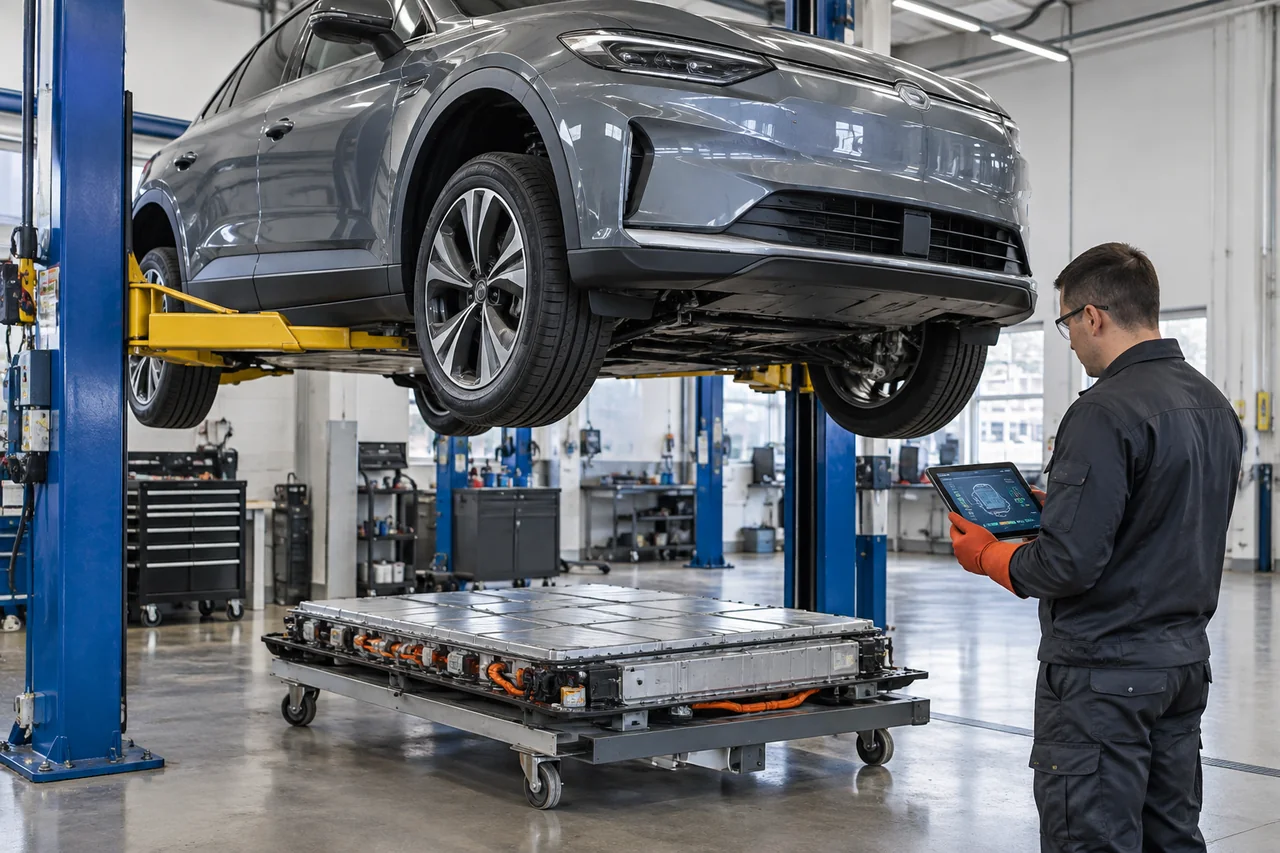
If you're wondering about an EV battery upgrade, you're not alone. Many owners search for ways to restore lost range or add capacity, but the terms 'upgrade' and 'update' are often confused. A physical battery pack replacement can be costly and complex, while a software update might alter how your car uses the pack it already has. Understanding the difference—and what's realistic for your vehicle—can save you time and money before you ask a dealer or shop for a change.
Upgrade vs. Update: Two Different Things Owners Search For
An EV battery upgrade typically means installing a pack with more physical capacity—more cells or a newer chemistry—while an update refers to software or firmware changes that adjust how the existing pack is managed. Owners often blur these because both can change displayed range, charging speed, or usable capacity. However, software can only alter control strategies, not add energy storage. A larger pack physically cannot fit or function unless the vehicle was engineered for it from the start.
What is possible depends heavily on the manufacturer, model, and pack design. Some automakers offer approved replacement packs or capacity options on certain platforms, but this is far from universal. Always check official information for your specific vehicle before assuming an upgrade is available. Third-party retrofits may exist, but they can introduce compatibility risks with the battery management system, cooling, and safety interlocks. For most owners, a battery update—not an upgrade—is the realistic path to changing how their EV behaves.
Can an EV Battery Be Upgraded to a Larger Capacity?
Swapping in a larger pack is rarely simple because the high-voltage battery is integrated into the vehicle's structure, cooling loop, and crash safety. Physical size, mounting points, wiring harnesses, and connectors all must match exactly. Even if a larger pack physically fits, the vehicle's software and battery management system must recognize and communicate with it. If the system isn't programmed for that pack's voltage curve, capacity, or thermal behavior, the car may refuse to charge or drive.
Some vehicles were offered with multiple pack sizes from the factory, which means a larger pack may be a possible replacement if the manufacturer supports it. Still, owners must confirm with the dealer or manufacturer because even within the same model, differences in suspension, brakes, and software calibration can matter. Warranty, insurance, and registration can also be affected when major high-voltage components are changed. High-voltage battery work is not a DIY job; only qualified EV technicians should handle such upgrades.
How Software Updates Can Change Battery Behavior
Over-the-air or dealer-installed software updates can adjust a battery's charging curve, thermal management, preconditioning, and range estimate. For example, a manufacturer may reduce charging speed at high states of charge to protect cell longevity, or refine how the battery management system calculates state of health. These changes can make the car behave differently without any physical alteration, sometimes improving range estimate accuracy or extending usable capacity within existing limits.
Some automakers build in extra usable capacity that can be unlocked via an update, often for a fee, while others may limit capacity after a recall to prevent issues. Updates can also change the displayed range estimate by altering the algorithm that predicts remaining miles, even though the physical pack is unchanged. Always read release notes and check the manufacturer's app, owner portal, or dealer for updates. But remember: no update can reverse physical cell aging or repair a damaged module.
Signs Your Battery May Need Attention Rather Than an Upgrade
Noticeably shorter real-world range over many similar trips, slower DC fast charging than before, or frequent warning messages can indicate battery degradation that needs attention. Charging interruptions, especially at the same state of charge, may point to cell imbalance or a failing module. However, a single bad trip proves little: cold weather, aggressive driving, low tire pressure, or heavy accessory use can slash range temporarily. Compare trends over weeks in similar conditions before suspecting the pack.
The dashboard's range estimate is just an estimate, often based on recent driving; it cannot diagnose battery health. A proper battery health check requires diagnostic equipment that can read cell voltages, state of health, and thermal data—something only a dealer or EV specialist typically has. If you see high-voltage warnings, unusual smells, smoke, swelling, or excessive heat, stop use immediately and contact a professional or roadside assistance. These are serious safety indicators, not signs to keep driving.
Realistic Replacement Options When a Pack Is Worn or Damaged
When a pack is genuinely worn or damaged, the main realistic routes are a manufacturer replacement, a remanufactured or refurbished pack, or module-level repair where the maker supports it. Manufacturer replacements offer the highest confidence in compatibility but are usually the most expensive. Remanufactured packs from reputable suppliers can be less costly, but ensure they are approved for your exact vehicle. Module-level repair is only viable on some designs and requires specialized tools and expertise.
Replacement costs vary widely by vehicle, pack size, and labor, so no single figure applies. Before paying for any work, check your battery warranty terms—many EVs have 8-year or 100,000-mile coverage that may still apply. Ask the shop whether the part is approved for your exact model, what warranty the replacement carries, and how the old pack will be recycled or disposed of. A certified EV repair facility should answer these questions clearly and in writing.
Questions to Ask Before Paying for Any Battery Change
Start by asking if the change is supported or approved by the vehicle manufacturer for your exact model and year. An unapproved pack or module can void warranties, interfere with future software updates, and lower resale value. Next, clarify who will do the work: are they trained and equipped for high-voltage systems? Look for manufacturer certification or proven EV experience. A botched battery job can be dangerous and extremely costly to fix.
Ask what real-world range or charging gain is expected—and how that figure was estimated. Reputable shops will base estimates on battery health data, not guesswork. Finally, consider whether a lower-cost alternative might solve your concern: a software update, a change in charging habits, or a professional battery health check could address the issue without a physical replacement. Weigh all options before committing to an expensive battery change.