Can You Turn On, Sit In, or Unplug an Electric Car While It's Charging?
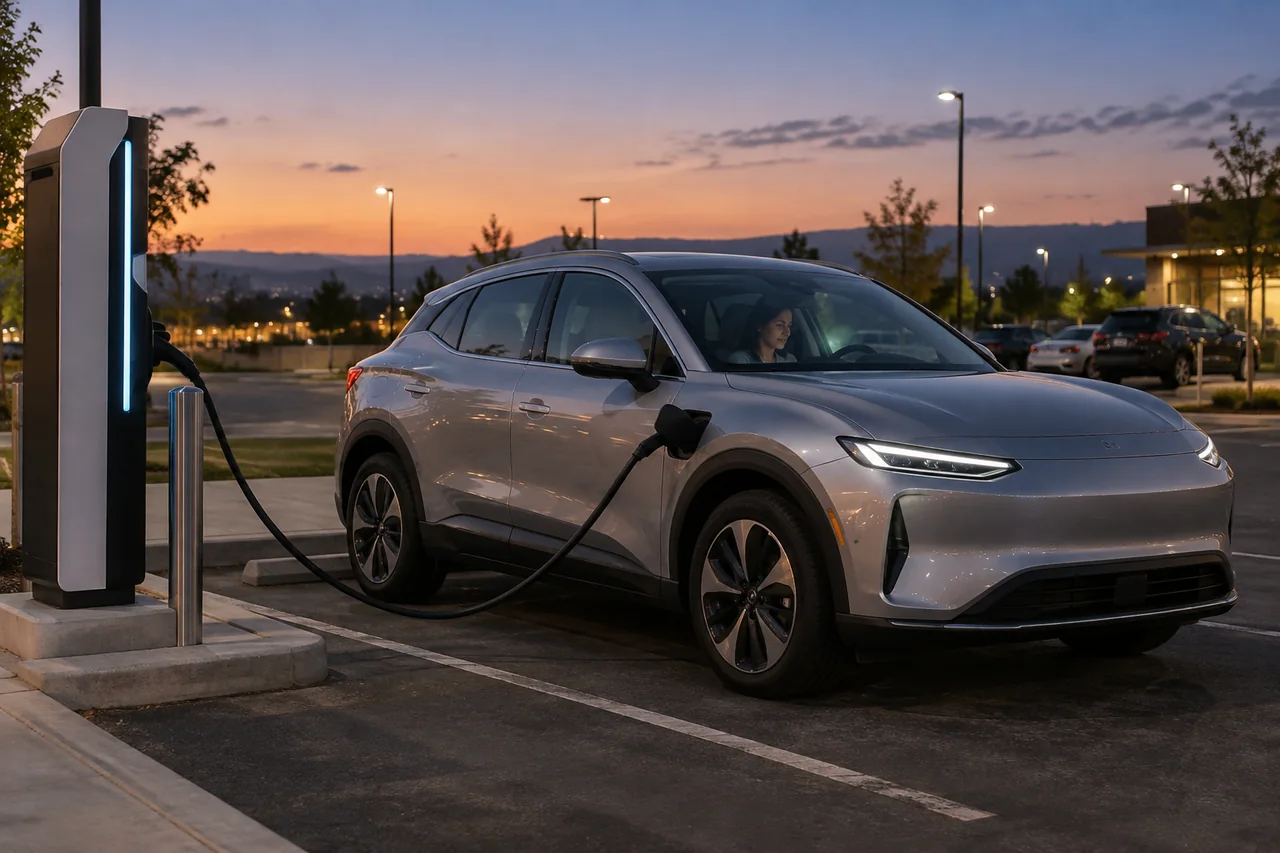
Many EV drivers wonder if they can turn on, sit in, or unplug an electric car while it's charging. In most cases, you can power up the vehicle and use the cabin while the charger is connected, but the behavior depends on the model and the charging equipment. The charge port and connector lock add another layer to consider. Understanding how the battery management system communicates with the charger helps you avoid unnecessary interruptions and make safe choices during a session.
Can an Electric Car Stay On While It's Plugged In?
In an electric car, "on" can mean several different states. Accessory mode runs the infotainment and some climate functions without making the vehicle ready to drive. Ready mode boots the full powertrain so the car could move if placed in gear. Many EVs allow accessory or even ready mode while plugged in, but the car will normally block shifting out of park while the charging connector is attached. This distinction matters because a drive-ready state may draw more power from the charger than a simple accessory mode.
You generally do not have to turn off an electric car when charging. Plugging in a Level 2 home charger or a DC fast charger while the car is still powered up is often acceptable, though some automakers prefer that you shut down first. The owner's manual will state the manufacturer-specific guidance for charging while powered on. Having systems active during a session can consume some of the incoming energy, so the net charging rate may be slower than if the car were fully off, even if the charger is delivering full power.
What Happens If You Start or Power Up the Car Mid-Session
If you press the start button or enter ready mode mid-session, many EVs will continue charging without a problem. The vehicle's software is designed to prevent movement while the charge port has a connector inserted. This is a typical safeguard, but not every model behaves the same way. Some cars may briefly pause charging when the startup sequence runs, then resume automatically. Others might show a message that charging was interrupted and ask you to confirm that you want to continue.
Rather than guessing what the car is doing, watch the instrument cluster and the charging screen. Most EVs display the current state of charge, the charging rate, and any connection or charging-status messages. If the session pauses or stops, the screen should tell you why. For vehicle-specific behavior, check the owner's manual or the automaker's app. Those resources explain how your model handles startup while connected and whether you need to stop the charging session before powering up the car again.
Sitting Inside and Using Climate or Infotainment While Charging
Sitting inside the car during a charging session is a normal practice, especially at public DC fast chargers where you may want to stay close. The cabin is a safe place to be while the battery is charging, and you can use the climate system, seat heaters, or the touchscreen to pass the time. Running those systems draws power from the charger or the battery, which can reduce the net charging rate and extend the time needed to reach your target level. The effect is more noticeable on a slower Level 2 home charger than on a high-powered DC fast charger.
Many EVs offer cabin preconditioning while plugged in, which uses grid power to warm or cool the interior before you depart. This is useful in very hot or cold weather and can help preserve battery range. You can usually enable preconditioning through the vehicle settings or a mobile app. While sitting inside during a charge, keep the charging cable clear of doors and walkways, and make sure no one tampers with the connector. The cable should remain straight and untangled to avoid strain on the charge port.
Unplugging an Electric Car Before Charging Finishes
Stopping a charging session before it finishes is usually allowed, but the right way to do it is to end the session through the car, the charger screen, or the app. Just pulling the connector out without stopping the session can damage the charging equipment or the vehicle. Many connectors stay locked to the charge port during an active session as a safety feature. The lock releases only after charging stops or the car is unlocked, depending on the vehicle model and the charger type. Once the session ends, a message on the dash or charger screen should confirm that you can remove the connector.
If the connector is locked and will not release, do not force it, pry at the port, or yank the cable. This can cause expensive damage and create an electrical hazard. Instead, try ending the session through the car's screen or the charging app, locking and unlocking the car with the key fob, or checking the charger's instructions for an emergency release. If none of those steps work, call the charger's help line or roadside assistance. Unplugging early simply leaves the battery at whatever state of charge it has reached. Some public networks may keep billing idle or session time, so review the network's terms before you unplug early.
Does an Electric Car Stop Charging When It's Full?
Yes, an electric car stops charging when the battery is full. The battery management system and the charging equipment communicate constantly during a charging session. As the battery approaches its target, the charging rate tapers down to protect the cells. Once the state of charge reaches the set limit—often 100 percent or a lower user-selected daily limit—the car tells the charger to stop delivering power. This automatic stop is a core part of safe battery operation and prevents overcharging.
Some EVs allow you to set a charge limit below 100 percent for daily use. When that limit is reached, the car will stop charging even though the battery could technically hold more energy. After reaching full, the car may briefly draw a small amount of power to balance cells or run battery thermal management, which is normal and not the same as continuing to charge. At a high state of charge, especially on a DC fast charger, the charging slows dramatically, so many drivers unplug before 100 percent to save time.
Safe Observations and When to Get Professional Help
Certain warning signs mean you should stop the charging session immediately and step away. A burning smell, visible smoke, unusual heat at the connector, or visible damage to the cable or charge port are all serious. Use the charger's stop button, the app, or the car's screen to end the session. Do not attempt to remove the connector if you see sparks or feel extreme heat. Move to a safe distance and contact the charging network or emergency services if needed.
Never open, modify, or improvise with charging equipment. Home charger problems should be handled by a qualified electrician who understands EV supply equipment. Charge port faults, repeated charging interruptions, error messages, or a connector that won't lock or release are best reported to the dealer or service center. On-screen messages and charging behavior vary by manufacturer, so read them against the owner's manual or the automaker's support line. Do-it-yourself workarounds on high-voltage charging systems can be dangerous and void the warranty.