Can You Run a Car Without a Thermostat? Removal and Bypass Effects
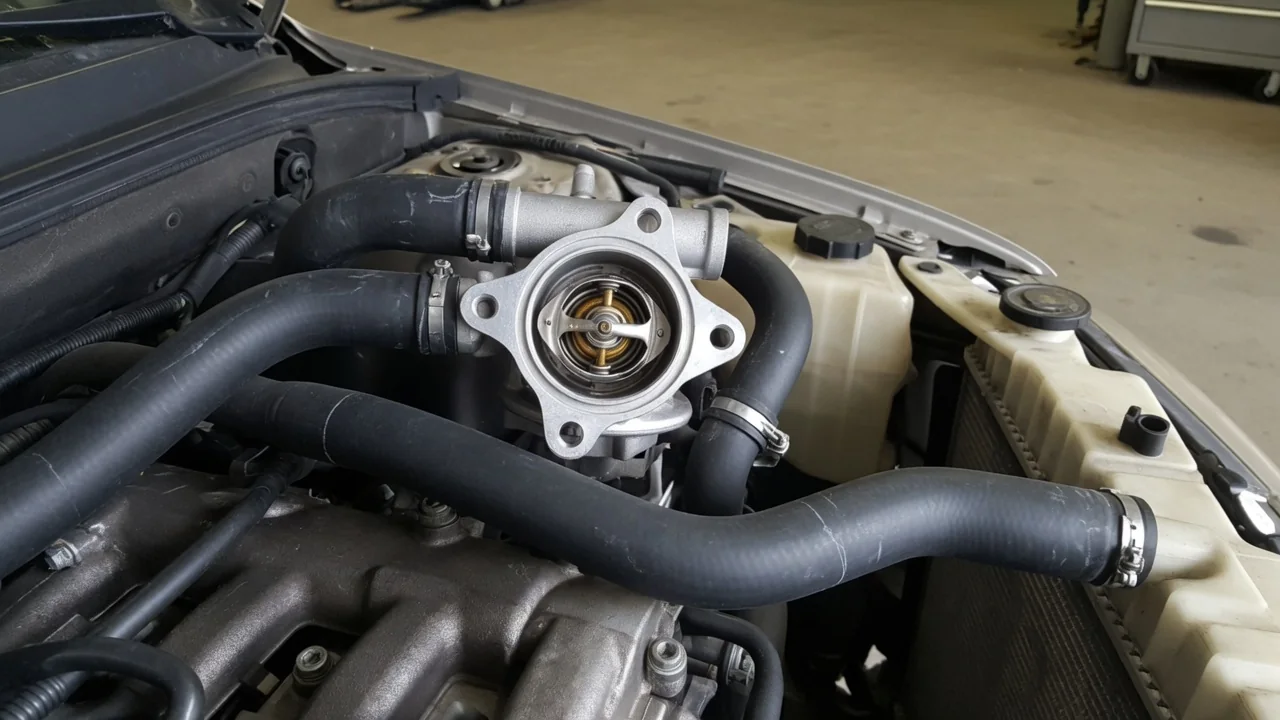
A thermostat can be physically removed from a car, and the engine may still start and run, but this does not make it safe or suitable for continued driving. The thermostat regulates coolant flow to maintain the engine’s intended operating temperature, and removing it disrupts that control. The effects vary with cooling-system design, operating conditions, and the original reason for removal, but the absence of a thermostat is never a long-term repair.
Can an Engine Run Without Its Thermostat?
Yes, an engine can typically start and run with the thermostat removed, but this only means the car is drivable in a limited sense. The thermostat is a temperature-controlled valve that restricts coolant circulation until the engine reaches operating temperature, then modulates flow to keep it stable. Without it, coolant moves through the radiator whenever the water pump spins, preventing the engine from reaching or holding its designed temperature range under many conditions.
Whether removal causes immediate problems depends on the vehicle’s cooling layout, the ambient temperature, and why the thermostat was taken out. In hot weather or under load, an engine without a thermostat may still overheat because heat transfer is not governed by coolant flow alone. Removing the thermostat eliminates a key control element and usually masks the original fault rather than solving it.
Why the Cooling System Needs Temperature Regulation
The engine coolant thermostat closes when cold to block flow from the engine to the radiator, allowing the coolant inside the block to warm up quickly. Once the opening temperature is reached, it begins to open and regulate flow so the engine operates within a narrow band. This stable temperature allows the fuel system, emissions controls, and lubricating oil to perform as intended.
An engine runs best when its temperature gauge reaches the normal operating range and stays there. A persistently low reading after thermostat removal is not a sign of good cooling; it can indicate the engine is running too cold. Under-temperature operation may increase fuel consumption, elevate certain emissions, and encourage water buildup in the oil, though the exact effects differ by engine design. Always check the factory service information for the specified thermostat rating and cooling-system configuration.
What Removal and Thermostat Bypass Actually Change
Removing the thermostat eliminates the temperature-controlled restriction in the coolant circuit. The engine coolant then follows the path of least resistance, which may be the radiator or a bypass passage, depending on the design. In some engines, the thermostat also controls a dedicated bypass passage; without the thermostat, that bypass may stay open or closed full time, changing how coolant is routed and potentially causing uneven engine temperatures.
A factory bypass passage is an engineered channel that allows a small coolant flow even when the thermostat is shut, protecting the water pump. An improvised thermostat bypass modification is different: it is a do-it-yourself alteration that defeats the thermostat’s role and can lead to unstable cooling. Some people remove thermostats hoping to fix an overheating problem and see an immediate drop in gauge temperature, but this apparent change does not confirm the original fault is solved or that the system is now healthy.
Summer Heat Does Not Prevent Overheating After Removal
A car can still overheat without a thermostat, especially in summer. The thermostat is only one part of the cooling system, and problems such as low coolant, a weak water pump, a clogged radiator, failed cooling fans, or a blown head gasket will still cause overheating after removal. Summer heat adds more load, but turning on the air conditioning while idling in traffic may be enough to push the coolant temperature past the safe limit.
On vehicles where the thermostat also directs flow to a bypass passage, removal can open or close that passage abnormally. This disrupts the designed coolant distribution and can create hot spots in the cylinder head, contributing to overheating under heavy load. The idea that coolant moving too fast through the radiator fails to transfer heat is not accurate; proper diagnosis must consider coolant flow rate, airflow, radiator efficiency, and overall system condition instead of blaming water pump speed.
Winter Driving and Signs of Under-Temperature Operation
In cold weather, an engine without a thermostat warms up very slowly, and it may never reach the normal operating range during a short drive. The heater core receives hot coolant from the engine, so weak cabin heat and poor defroster performance are common complaints. The coolant temperature gauge may stay low or fluctuate noticeably when the vehicle moves or idles, reflecting the uncontrolled flow through the radiator.
These observations can point to a missing thermostat, but they are not conclusive by themselves. A faulty coolant temperature sensor, low coolant level, air trapped in the system, or a plugged heater core can produce similar symptoms. Inadequate heater output is also a safety issue because windshield defogging relies on warm, dry air; driving with reduced visibility is dangerous. A professional evaluation is needed to confirm the cause before any repairs are attempted.
What to Do If Your Car Already Has No Thermostat
If your car currently has no thermostat, do not guess how far you can drive it. The safest course is to arrange for diagnosis and installation of the correct thermostat as soon as possible. Continuing to operate the vehicle risks overheating, increased engine wear, poor fuel economy, and unreliable defroster performance. The original reason for removal, such as a previous overheating episode, must still be found and corrected.
While the vehicle is being driven to a repair facility, watch for warning lights, steam from under the hood, visible coolant leaks, or sudden gauge movement into the red zone. If any of these occur, pull over safely, shut off the engine, and call for assistance. Never open the radiator cap or expansion tank when the engine is warm, as hot coolant can spray out under pressure. A technician should verify the correct thermostat specification, proper installation, and the system’s ability to hold a stable operating temperature after replacement.