Can You Drive With Torque Converter Shudder? What Owners Should Know
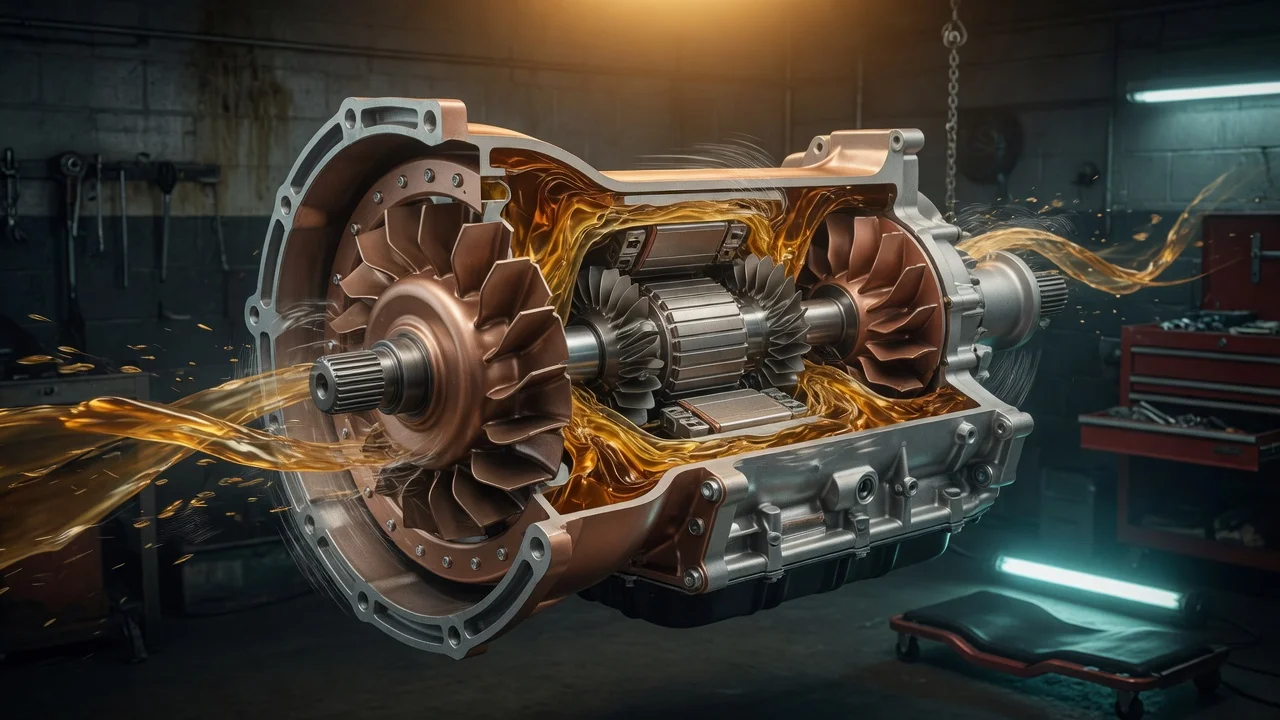
A light, rhythmic vibration at steady cruising speed, often compared to rolling over rumble strips, is one of the most common complaints about automatic transmissions. Many owners wonder whether torque converter shudder is bad or just an annoyance. The answer depends on what is causing the vibration, which transmission your vehicle uses and whether the symptom is getting worse. This guide explains when continued driving is reasonable, when it is not, and how to approach diagnosis without guessing.
The short answer
In most cases you can drive with a mild shudder for a short time, for example to get to a shop or until a service appointment, but it is not something to live with. Shudder usually means the torque converter clutch is not engaging smoothly, and the conditions behind it tend to get worse with continued use. Ignoring it for months can turn a fluid-related problem into a mechanical repair.
Stop driving and arrange a tow if the shudder comes with a flashing check engine light, a transmission overheating warning, a burning smell, or slipping, where engine speed rises without the vehicle accelerating. The same applies to delayed or missing engagement into drive or reverse, and to fluid leaking under the vehicle. These signs point to something beyond ordinary converter clutch shudder, or to a condition where more driving can cause rapid damage.
How torque converter shudder happens
A torque converter connects the engine to an automatic transmission through fluid, which is what lets the vehicle sit still in gear. Fluid coupling always involves some slip, so most modern converters contain a lockup clutch, called the torque converter clutch or TCC. At cruising speeds the transmission control module applies this clutch to link the engine to the transmission mechanically. This improves fuel economy and reduces heat.
Many transmissions also run this clutch in a controlled, partial slip to smooth out engine pulses, and that is where shudder usually appears. The clutch can grab and release rapidly instead of slipping smoothly. This happens when the friction lining is glazed or worn, when the fluid has lost the friction properties it was designed with, or when apply pressure is unstable. The driver feels a vibration, commonly at moderate speeds under light throttle or gentle acceleration. It often stops when you press harder on the pedal or lift off entirely.
Is it dangerous, and can it damage the transmission?
Shudder by itself rarely creates an immediate loss-of-control risk the way a brake or steering failure would. The more realistic danger is mechanical. Every shudder event creates friction and heat inside the converter clutch, and that heat breaks down the transmission fluid further. A worn lining can also shed friction material into the fluid, which then circulates through the valve body, solenoids and cooler.
Over time this can lead to a converter clutch that no longer locks, a stored code for converter clutch performance, overheated fluid and, in some cases, contamination that affects other parts of the transmission. A shudder that started as a relatively simple fluid-related fix can become a converter replacement plus cooler flushing if left alone. Not every case progresses at the same rate, but shudder rarely goes away by itself.
What changes the answer
Transmission type matters first. A conventional stepped automatic with a lockup converter is the classic case. Many CVTs also use a torque converter with a lockup clutch and can shudder for similar reasons, but their fluid specification and service procedures are specific to each design. Dual-clutch transmissions and manual transmissions have no torque converter at all. A judder in a dual-clutch vehicle comes from its clutch packs and needs a different diagnostic path.
Fluid condition and service history change the picture significantly. Some shudder complaints are traced to degraded fluid or to the wrong fluid having been installed. Some manufacturers have issued service procedures for shudder that call for a full fluid exchange with a specific updated fluid. On other vehicles the cause is a control software calibration or a faulty solenoid rather than the converter itself. High mileage, towing, hot climates and stop-and-go driving all add heat and can speed up wear.
Not every vibration that feels like shudder comes from the converter. Other possible causes include: • an engine misfire; • worn engine or transmission mounts; • a failing driveshaft universal joint; • a worn CV axle; • an out-of-balance tire; A misfire is a frequent impostor because it tends to show up under the same light-load conditions as converter shudder.
What you can do as an owner
Start by recording the pattern. Note the speed range, the gear if your vehicle displays it, and whether the engine is cold or fully warm. Note whether the vibration happens under light throttle, steady cruise or acceleration, and whether pressing harder makes it stop. Watch shift behavior as well. Harsh, late or flaring shifts alongside shudder point toward a broader transmission or control problem. These notes help a technician reproduce the symptom quickly.
Have the diagnostic codes read with a scan tool, either your own or at a shop. Codes for the converter clutch circuit or its performance, solenoid faults or engine misfires narrow the possibilities. Keep in mind that a code identifies a detected condition, not a confirmed failed part. If your transmission has a dipstick, check the level and condition following the owner's manual procedure. Dark fluid, a burnt smell or visible particles are warning signs. Many modern transmissions are sealed and need a specific temperature-controlled fill procedure, so do not open them without the correct information.
Until the vehicle is diagnosed, avoid towing or carrying heavy loads. Also avoid generic additives that claim to cure shudder. Your transmission needs fluid that meets its exact specification, and unapproved products can change friction behavior in ways that make diagnosis harder. Check your service history for when the fluid was last changed and what was used, since that often guides the first repair step.
Limitations and when to get professional help
Repair options include: • a fluid exchange; • a software update; • solenoid or valve body work; • in more advanced cases, torque converter replacement with a part that matches the exact transmission; The symptom alone cannot tell you which of these is needed. A technician will typically road test the vehicle with a scan tool to compare commanded and actual converter slip. They will also check for codes and service bulletins for your model, and rule out engine and driveline causes before recommending work.
If the vehicle is under powertrain warranty, contact the dealer before any independent fluid service, because the manufacturer may have a specific procedure for this complaint. Outside warranty, an early diagnosis usually leaves more and cheaper repair options open than waiting. A mild, consistent shudder warrants a prompt appointment. Any of the stop-driving signs described above warrant a tow rather than another trip.