Can You Charge an Electric Car With an Extension Cord or Extend a Charging Cable?
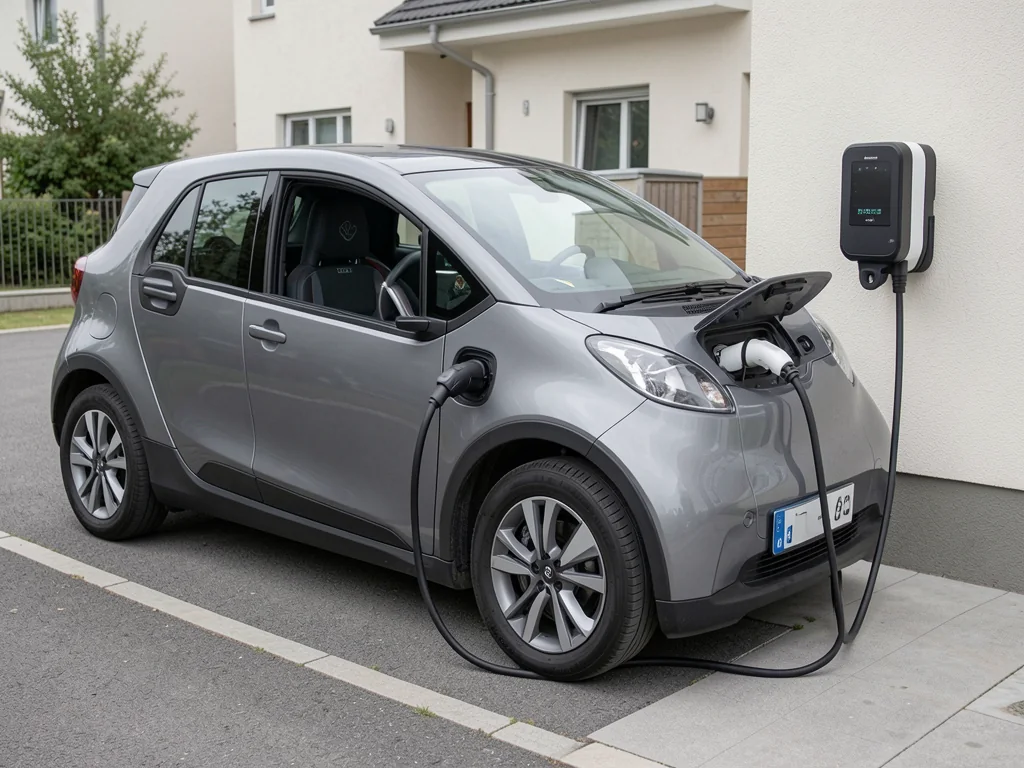
When a charging cable will not reach the vehicle, it is tempting to add an electric car charging extension cord, an EV charging extension cable, or a Type 2 extender. Those workarounds sit in different parts of the connection and carry different risks. The practical default is not to extend unless the vehicle and charging equipment manufacturers explicitly permit that exact arrangement. Physical fit and a completed charge do not prove the setup is approved.
Identify Which Part of the Charging Connection Is Too Short
An ordinary household extension cord for charging an electric car would sit on the supply side, between a wall outlet and a portable EV charger. That is a different joint from an EV charging cable extender, which adds a connection on the vehicle side between electric vehicle supply equipment and the inlet. An extension cable for EV charging, a charging cable extender Type 2, and a 3 pin extension cable for EV charging are not interchangeable parts of the same problem. Guidance has to stay specific to the connector, the charging equipment, and the electrical supply involved.
The practical default is not to add an extension unless the vehicle and charging equipment manufacturers explicitly permit the exact arrangement. Asking how to extend an EV charging cable, or whether you can extend an EV charging cable, does not change that rule. Product advertising, a matching Type 2 connector, and a session that actually starts charging do not establish that an EV charging cable extension, EV charging cable extension lead, or EV car charging extension cable is approved or electrically safe. One solution does not apply across portable chargers, tethered stations, and different connector families.
Why Ordinary Extension Cords Create Charging Risks
Sustained charging is a continuous electrical load, not a brief appliance cycle. That load can expose weak plugs, worn outlets, undersized conductors, and extra joints in an ordinary extension cord. Poor contact and voltage drop along an unsuitable cord concentrate heat at the plug, receptacle, and any added coupling, which can lead to connector overheating. Outlet condition matters because a loose or oxidized receptacle already runs warmer than a tight, clean one. Adding length does not reduce those stresses; it often increases them at every extra interface.
Moisture, crushed insulation, vehicle traffic, and cables crossing walkways add hazards that have nothing to do with advertised current ratings. An EV charging cable extension cord left in a driveway can be driven over, pinched in a door, or soaked at the coupling. Ground-fault protection may interrupt the session, but it is not a substitute for an approved, intact connection. Lowering charging current or finishing a short session does not prove that a prohibited extension arrangement is safe. Heat, contact resistance, and insulation damage can still develop even when the charge appears to complete normally.
What Heavy-Duty and Three-Pin Labels Actually Establish
A heavy duty extension cable for EV charging still has to match the portable charger's instructions. The heavy-duty label describes construction relative to a lighter household cord; it does not by itself establish suitability for hours of EV charging, nor does it override restrictions printed in the equipment manual. Three-pin wording is market-specific. A 3 pin extension cable for EV charging does not identify a universal plug, voltage, or approved charging arrangement. Check the exact portable charger documentation for extension restrictions. Where an extension is explicitly permitted, every stated condition still applies, including cord type, length limits, and outdoor rating.
Even a substantial-looking EV charging cable extension lead can still feed a worn receptacle, a shared circuit, or a protective device that was never intended for this duty. An electrician may need to assess outlet condition, circuit capacity, grounding, and ground-fault protection before any permitted supply-side lead is used. Plug adapters, power strips, and chained extension leads are not workarounds for inadequate charging cable reach. Those extra joints add contact resistance and remove the very conditions a manufacturer might have allowed for a single, specified cord.
Check Type 2 Extension Approval Before Connecting
Type 2 is a market-specific AC charging connector, not a universal inlet. Confirm the actual vehicle inlet and station connector before considering a Type 2 EV charging cable extension or an EV charging cable extender Type 2. A detachable charging cable is meant to join compatible equipment directly. An inline extender adds another connector interface, another lock, and another environmental seal. Connector shape and an advertised current rating do not prove that an EV charging cable type 2 extension is approved for that vehicle or that charger. Check both the vehicle and charger documentation first.
Connector locking, control-pilot signaling, environmental protection, and temperature monitoring matter because an extra interface can interrupt communication or hide heat at the coupling. Not every product implements those functions the same way, so a successful mate is not proof of a complete, monitored path. Do not extend a DC fast-charging cable or modify a tethered charging lead. An EV extension charging cable sold for AC Type 2 use still has to be explicitly permitted by the equipment makers involved. If that permission is missing, do not add the extender.
Warning Signs That Mean Charging Should Stop
Stop charging through the vehicle or charger controls if you notice a burning odor, visible discoloration, melting plastic, crackling, repeated protective-device trips, or a charging fault message. Those observations are reasons to halt the session, not a diagnosis of which part failed. Do not touch or disconnect equipment that is visibly damaged, wet, smoking, or arcing. Intermittent charging and fault messages alone cannot identify whether the problem sits in the supply, the portable charger, an added EV charging cable extender, or the vehicle. Treat the code or message as evidence to interpret, not as proof a specific part has failed.
After overheating, physical damage, or repeated trips, have the arrangement inspected professionally before any reuse. Smoke or fire requires emergency assistance, not another charging attempt. Manufacturer-dependent messages still need vehicle-specific confirmation, because the same display can point to supply quality, a connector issue, or a vehicle-side interrupt. The absence of visible damage or warnings does not validate an unapproved electric car charging extension cable. Heat at a hidden joint can exist without a scorched jacket, and a completed overnight charge does not convert a prohibited extension into an approved one.
Safer Ways to Give the Charging Cable Enough Reach
Where site rules allow, reposition the vehicle so the approved cable reaches without tension, driveway traffic, or a trip hazard. That is usually simpler than adding an extension cable for electric car charging. If the equipment is designed for a detachable cable, a longer, correctly specified cable may be an option after you confirm manufacturer requirements for connector type, current rating, and environmental rating. For tethered equipment, use manufacturer-approved service or replacement options. Do not splice, internally modify, or join a tethered lead to gain charging cable reach.
When the same parking spot repeatedly leaves the cable short, relocating or installing charging equipment on a dedicated charging circuit through a qualified electrician addresses the reach problem at the source. Use another suitable charging location when no approved connection reaches. The decision path is straightforward: follow the vehicle and equipment instructions first, then assess the site. If those documents forbid an electric car charging extension cord or an EV charging cable extension, do not improvise with a household lead, a Type 2 extender, or a chained cord. Approved reach comes from permitted equipment and placement, not from extra joints.