Can You Bypass or Delete the EVAP System? Legality and Consequences
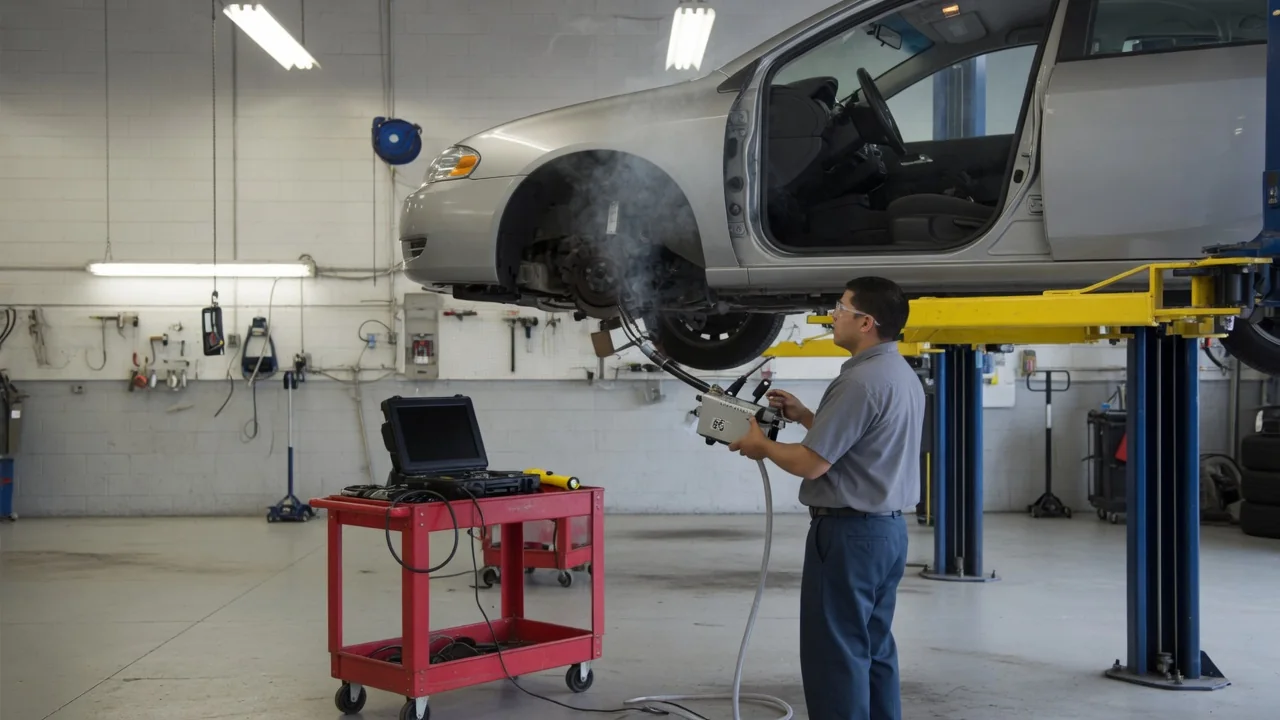
If a recurring EVAP fault code or fuel vapor smell has made you wonder whether you can delete the EVAP system, you are not alone. The evaporative emission control system frequently triggers a check engine light, and repair costs can feel frustrating. Yet removing or bypassing this equipment on a US road vehicle is not a simple fix. It is generally treated as emissions tampering under federal law and creates inspection, drivability, and safety problems. This guide explains the legal consequences and points you toward legitimate repairs.
What the EVAP System Does and Why Drivers Think About Deleting It
The evaporative emission control system stops raw fuel vapor from escaping the tank. When the engine is off or running under certain conditions, vapor is held in a charcoal canister and later drawn into the intake through a purge valve to be burned. A vent valve lets fresh air through the canister, while lines connect the tank, canister, and engine. The fuel cap and a pressure or leak-detection sensor help the vehicle monitor for leaks. Altering any of these parts changes how the system seals and purges.
Many drivers search for how to bypass EVAP system faults after repeated trouble codes, failed inspection, or expensive diagnosis. A persistent P0455 or similar code might point to a leak, but replacing parts without testing can be costly and ineffective. Fuel odor near the rear of the car, a hiss when opening the cap, or difficulty refueling can also make deletion seem attractive. The simple answer is that physical removal is possible, but on a street-driven US vehicle it is generally illegal and leads to further issues.
Is Bypassing the EVAP System Legal in the US?
Under the federal Clean Air Act, it is generally prohibited to remove or make inoperative any emission control device on a motor vehicle used on public roads, and the EVAP system is specifically classified as emissions equipment. Bypassing it with a resistor, disconnecting the purge valve, or programming out the monitor would usually be considered tampering. State and local rules can add their own requirements. Some states follow stricter California Air Resources Board standards, which include more elaborate leak detection and stronger anti-tampering enforcement.
'Off-road only' or 'for testing' labels on a canister, valve, or tuning device do not make it legal to install on a street car. The Environmental Protection Agency has pursued manufacturers and sellers of defeat devices, but vehicle owners can also face consequences. Enforcement and penalties vary, so this article will not quote specific fines. To understand current requirements in your area, contact your state environmental or motor vehicle agency. This is general information and not legal advice.
How an EVAP Delete Shows Up at Emissions Inspection
In areas with emissions inspection, the test usually begins by plugging into the OBD-II port under the dashboard. The inspection computer checks for stored diagnostic trouble codes, whether the check engine light is commanded on, and how many readiness monitors have completed since the codes were cleared. The EVAP monitor is one of the most difficult monitors to run because it often needs a specific fuel level, a cold start, and a particular drive cycle. A deleted or disabled EVAP system typically prevents this monitor from ever setting to complete.
Even if no code is stored, an incomplete EVAP monitor can be enough to fail or reject the inspection. Some programs also include a visual check under the hood or near the fuel tank, and a missing canister or disconnected hoses are obvious. A fuel cap test may be performed separately to ensure the cap seals. If your state ties inspection to registration renewal, a failed EVAP test can block you from getting new tags. Requirements vary by state, county, and vehicle age, so check local rules.
Warning Lights, Trouble Codes and Drivability After a Bypass
The engine computer continuously tests the EVAP system for leaks and for proper purge flow. When components are unplugged or removed, it usually sets one or more EVAP-related codes and turns on the check engine light. The specific code text and the way the monitor runs differ from one manufacturer to another, so you must look up any stored code for your exact make, model, and year before interpreting it. No universal definition applies; a code points to a circuit or system, not necessarily a failed part.
After a bypass, you may notice a fuel odor near the car or when parked in a garage, because vapor is no longer contained and routed to the engine. The constant warning light can mask new, unrelated problems such as a misfire or transmission fault. Some vehicles develop refueling difficulties or rough idle when purge flow is altered, but this is not guaranteed on every car. Missing emissions equipment can also affect warranty coverage and resale value when a dealer or buyer inspects the vehicle.
Why This Guide Doesn't Explain How to Bypass EVAP
This article gives no removal, plugging, tuning, or code-hiding steps. Explaining how to bypass the EVAP system would only help defeat required emissions control equipment, and that is not the goal here. The system exists to prevent unburned hydrocarbons from escaping into the air. Leaving the canister open or looping hoses can have an even more immediate consequence: fuel vapor is highly flammable, and changing vent paths can create fire risk or expose you and passengers to harmful fumes.
If you arrived here searching for bypass instructions, the better question is why the system is acting up. A smoke test, a scan tool check of the vent and purge valves, and a careful look at the fuel cap often reveal a simple fault. Fixing that real cause solves the original problem—the warning light, the smell, or the refueling trouble—without legal risk. The next section outlines those legitimate options and what you can safely check yourself.
Legitimate Alternatives: Diagnosing and Repairing EVAP Problems
Start with the simplest check: confirm the fuel cap is present, fully seated, and not visibly cracked or missing its seal. Note when the check engine light came on and whether it happened right after refueling, which often points to a loose cap or a vapor leak near the tank. Use a basic code reader to record the stored code, then clear it once and see if it returns and under what conditions. That information helps a technician because small leaks are hard to find by eye and a code alone does not identify a failed part.
If the code comes back with a fuel odor or refueling trouble, professional testing is the next step. A smoke test can reveal vapor leaks at the canister, hoses, or filler neck. Technicians can also command the purge and vent valves on and off with a scan tool to verify they respond. Before paying for repairs, ask the dealer or an independent shop whether your vehicle might be covered by a federal emissions warranty or another program; coverage varies, so ask rather than assume. Repairing the real fault clears the problem and restores inspection readiness.