Can Electric and Hybrid Cars Have a Manual Transmission?
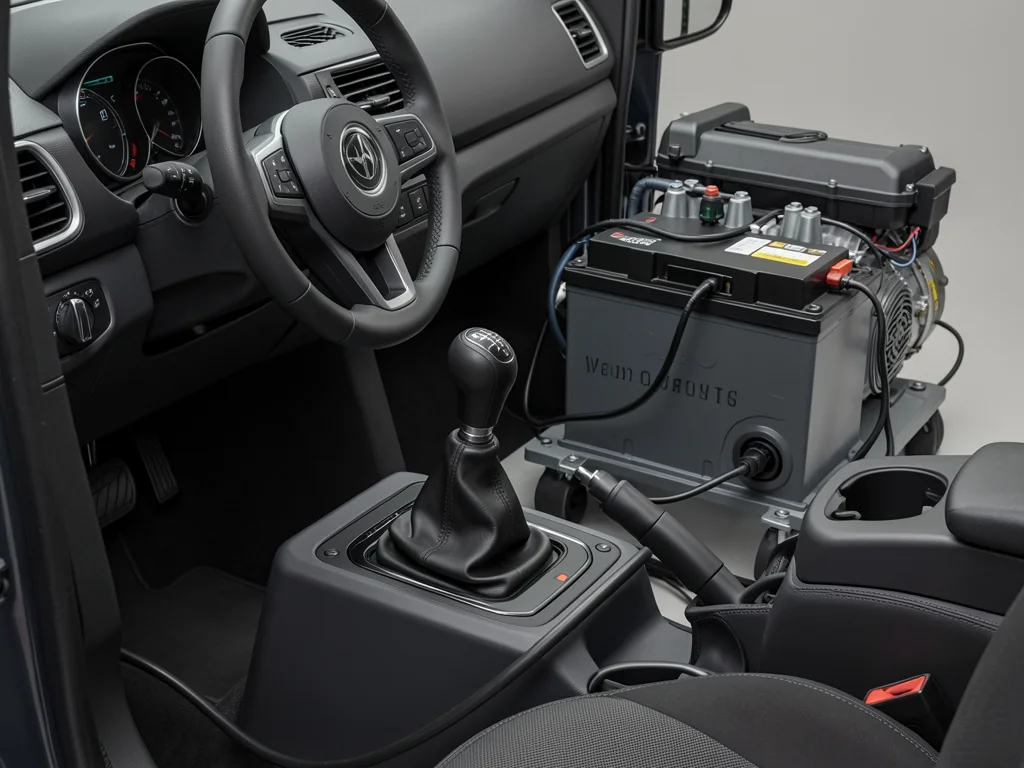
Drivers looking for an electric car with manual transmission, or a hybrid with a stick shift, usually find a different drivetrain. Battery-electric cars almost never pair a clutch pedal with selectable mechanical gears, and hybrids with manual transmission have been rare exceptions. The reasons involve electric motor torque, hybrid powertrain control, and simulated gear shifts that can feel like a gearbox without being one.
Can an Electric Car Have a Real Manual Transmission?
An electric powertrain can be engineered to use a real manual gearbox. A mechanical manual transmission is defined by selectable physical gear ratios and driver control of shifting, typically with a clutch pedal that disconnects the motor from the wheels during a gear change. That arrangement is technically compatible with an electric motor, because the motor can still drive through a conventional gearbox if the ratios, clutch, and control software are designed together. In production battery-electric passenger cars, though, a conventional stick shift remains unusual.
Specialist builds and conversions have paired electric motors with driver-selected gears, including cars that retain a clutch pedal after the engine is removed. Those projects show that a manual transmission electric car is possible as an engineering exercise, not that electric cars with manual transmission are a mainstream showroom category. This discussion stays with battery-electric passenger cars and with hybrids that offer genuine mechanical shifting or a simulated equivalent. Asking whether electric cars can have a manual transmission is different from asking whether they are commonly sold.
Why Most Electric Cars Use a Single Forward Gear Ratio
An electric motor can deliver strong torque from very low speed and remain useful across a wide rpm band, so many battery-electric cars can cover the full driving range with a single forward reduction ratio. That single-speed reduction gear still multiplies torque and lowers motor speed to a range the wheels can use. The wheels are not coupled to the motor without any gearing. The reduction set is simply not a multi-ratio gearbox the driver steps through with a lever and clutch.
Unlike a combustion engine, an electric motor can sit at zero rpm without stalling, so it does not need a conventional clutch just to keep running while the car is stationary. Gearbox choices still involve packaging, weight, control complexity, and efficiency. Extra ratios can help a motor stay in a favorable speed range at highway speed or during hard acceleration, but they add mass, cost, and software work. Not every electric car uses one ratio, yet most production designs accept a single forward gear as the simpler, lighter path.
How a Manual Gearbox Can Work in a Hybrid
A combustion engine, electric assistance, and a driver-operated gearbox can coexist when the hybrid system is designed around that combination. Motor torque can add to engine output through the same driveline the driver is shifting, provided the control software times assistance with clutch operation, engine stop-start, and regenerative braking. A hybrid with manual transmission therefore has to decide when the motor should fill in during a shift, when the engine may shut off at a stop, and how regen is applied without fighting the clutch.
Many hybrid architectures rely on electronically managed power flow and transmission operation, because blending engine and motor is easier when a computer, not a clutch pedal, decides how torque reaches the wheels. Power-split layouts often hide that management from the driver. The word hybrid alone does not identify the transmission architecture or establish whether a clutch pedal is available. A hybrid car with manual transmission and a hybrid whose paddles only change regen are different products even if both carry the hybrid label.
Past Hybrid Cars Sold With a Stick Shift
Documented production examples of hybrids with manual transmission include the first-generation Honda Insight and the Honda CR-Z, both offered with a stick in some markets and years. Those cars matter because they showed electric assistance working with driver-selected mechanical gears rather than a simulated shift map. A driver could still operate a clutch pedal while the hybrid system added motor torque, recovered energy, and managed idle-stop according to its calibration. They remain useful answers to whether a manual transmission hybrid car has ever been sold as a factory product.
Those examples do not establish that a current hybrid car with manual transmission is sitting in a local showroom. Availability of a stick on a hybrid has always depended on market, model year, and the exact transmission specification for that vehicle. Before treating any historical car as proof of a present option, confirm those details for the specific car in question. Manual transmission hybrid cars of the past also do not mean later Insights, CR-Zs, or unrelated hybrids inherited the same clutch-and-gear layout.
What Simulated Manual Modes Do in an EV
Software can create virtual gear steps in an electric car by changing motor response and accelerator mapping as if the car had moved to another ratio. Simulated gear shifts may also add virtual engine speed, synthesized sound, a pause in torque that mimics a shift, or even a clutch-like control, depending on the system. None of that by itself means a mechanical gear change has occurred. The motor is still turning through the same reduction hardware; the so-called shift is a calibrated change in how torque and sound are presented.
Steering-wheel paddles on an electric car often adjust regenerative braking strength rather than stepping through physical ratios. Using paddles therefore does not by itself establish that the car has manual shifting. Some production cars offer a drive mode that imitates sequential shifts for engagement, while concept and prototype vehicles have shown more elaborate clutch and H-pattern simulations. Without verified documentation for a specific model year and market, a named mode should be treated only as whatever that vehicle literature actually describes, not as a mechanical gearbox.
How to Confirm What a Car's Manual Mode Actually Means
Confirming what a manual label means on a given car starts with the transmission type listed for that vehicle, then with whether physical ratios actually change when the driver shifts. Next, establish what the pedals and shift controls operate: a clutch that opens a mechanical path, a shifter that requests a ratio from an automatic, or paddles that only change regen. Listing language such as manual mode, sequential shift, or paddle shift does not settle those questions, because manufacturers reuse the same words for very different hardware.
The owner's manual and the exact specification for the model year and market are the reliable sources for that distinction. A claim that a car is a hybrid with manual transmission, or an electric car with a stick, should match the window sticker and the service literature, not a sales nickname. For a converted vehicle, ask for conversion documentation and a qualified inspection of the driveline and controls. Do not open high-voltage components or attempt to modify them; inspection is about verifying what was installed, not performing electrical work.