Can an ignition coil prevent a car from starting
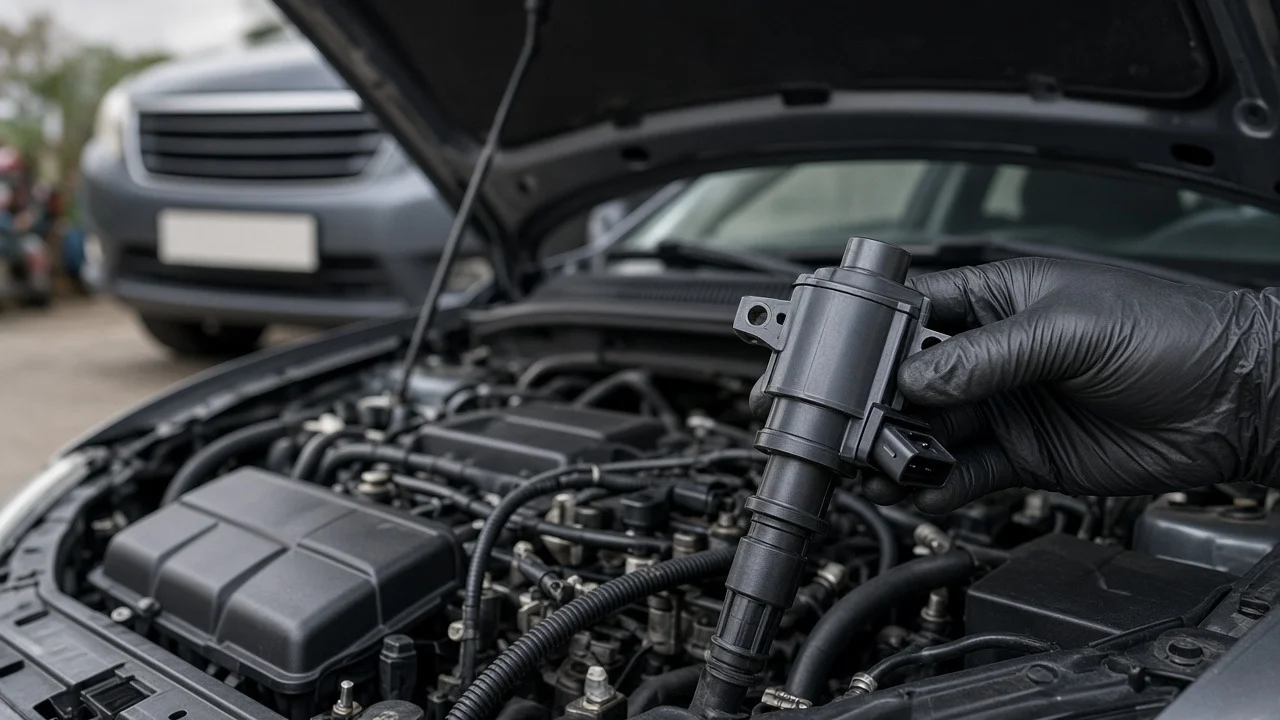
A car that cranks but refuses to fire often points toward an ignition fault, and a failed or failing ignition coil is a common reason an engine will not start. The coil raises battery voltage into the high-energy spark that ignites the air-fuel mixture. When it loses that ability, cylinders may misfire or receive no spark at all. Several starting problems can mimic coil failure, so interpreting the symptoms alongside battery state of charge, cranking speed, and fuel delivery helps narrow the cause before replacing parts.
Essential answer
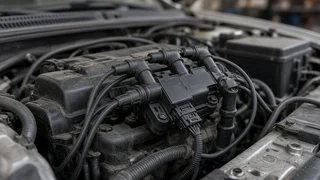
Yes, a faulty ignition coil can prevent a car from starting. The coil is responsible for transforming the low voltage from the battery into the thousands of volts needed to jump the spark plug gap. If the coil fails completely, the spark plugs receive no firing voltage, and the engine will crank without combustion. On engines with a single coil, this often produces a no-start condition with normal cranking speed but no sign of the engine catching.
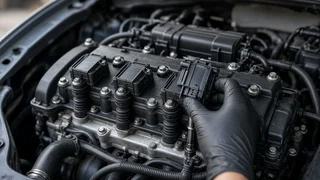
The no-start result depends on the ignition design and which coil has failed. On systems using one coil per cylinder, a single bad coil usually causes a rough idle or misfire rather than preventing startup, because the remaining cylinders can still fire. However, if multiple coils fail, the engine may not generate enough power to run. The starter circuit may sound strong, but without reliable spark the car will not start. Confirm whether the engine is receiving spark before assuming the coil is the only fault.