Can a bad serpentine belt cause stalling
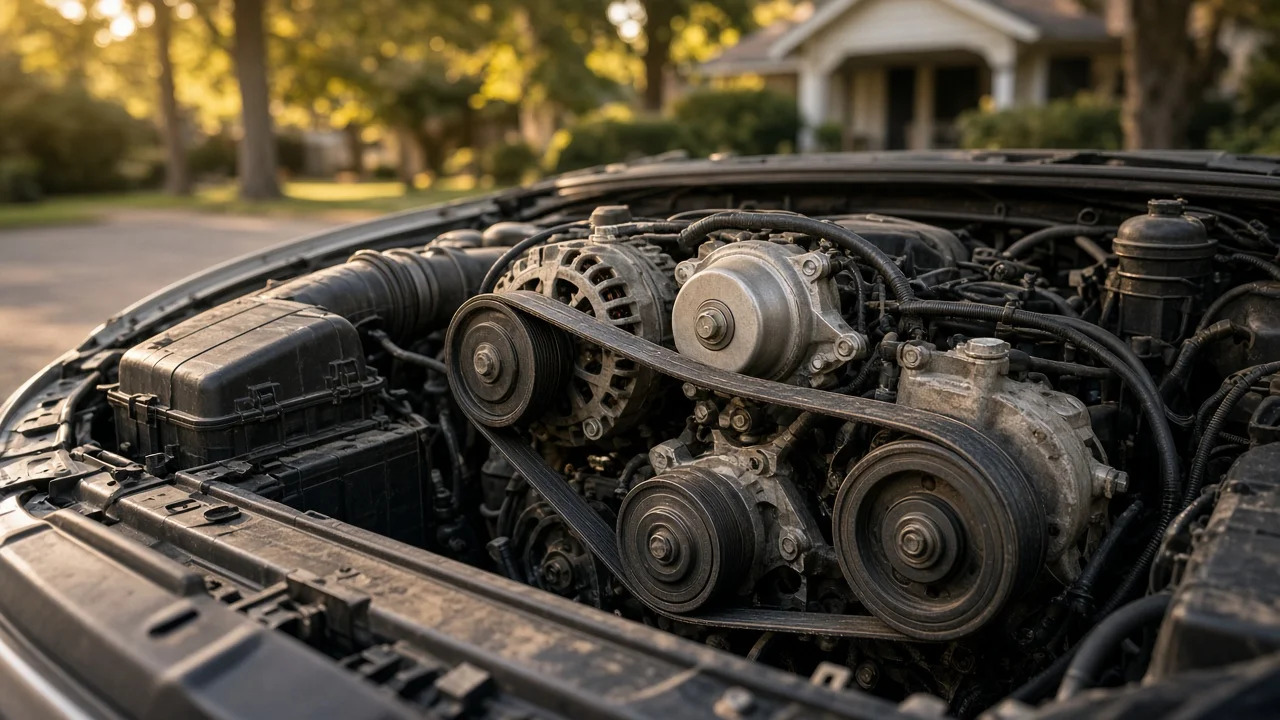
A stalling engine can be unsettling, especially when a long accessory belt looks frayed or polished with age. The serpentine drive is normally associated with power steering and charging, but its deterioration can influence idle stability in ways that are easy to overlook. Drivers searching whether a bad serpentine belt can cause a car stall are usually dealing with an intermittent shutdown, rough running, or a battery light that appears right before the engine dies. Understanding the belt path, tensioner behavior, and pulley alignment helps separate a true stall from a failing charging or drive system.
Essential answer
Yes, a failing serpentine belt can contribute to stalling, but usually through the accessories it drives rather than the belt itself stopping the crankshaft. A heavily worn, cracked, or slipping ribbed belt may place sudden drag on the accessory pulley system, especially when the air conditioning compressor cycles or the alternator loads during electrical demand. That extra resistance can overwhelm a weak idle control strategy and cause the engine to stumble or shut off.
The stall is often a secondary effect. The belt may slip silently, failing to drive the alternator at full speed, which drops system voltage and disrupts ignition or fuel injection. In other cases a failing tensioner or idler pulley creates drag and noise. The belt routing and pulley alignment matter because a misaligned accessory pulley can scrub the belt, generate heat, and effectively brake the engine at low revolutions. The direct answer is therefore qualified: the belt is a likely contributor, but the stall arrives through its driven components.