Camper Van Conversions for Sale: Buying Used or Choosing a Conversion Company
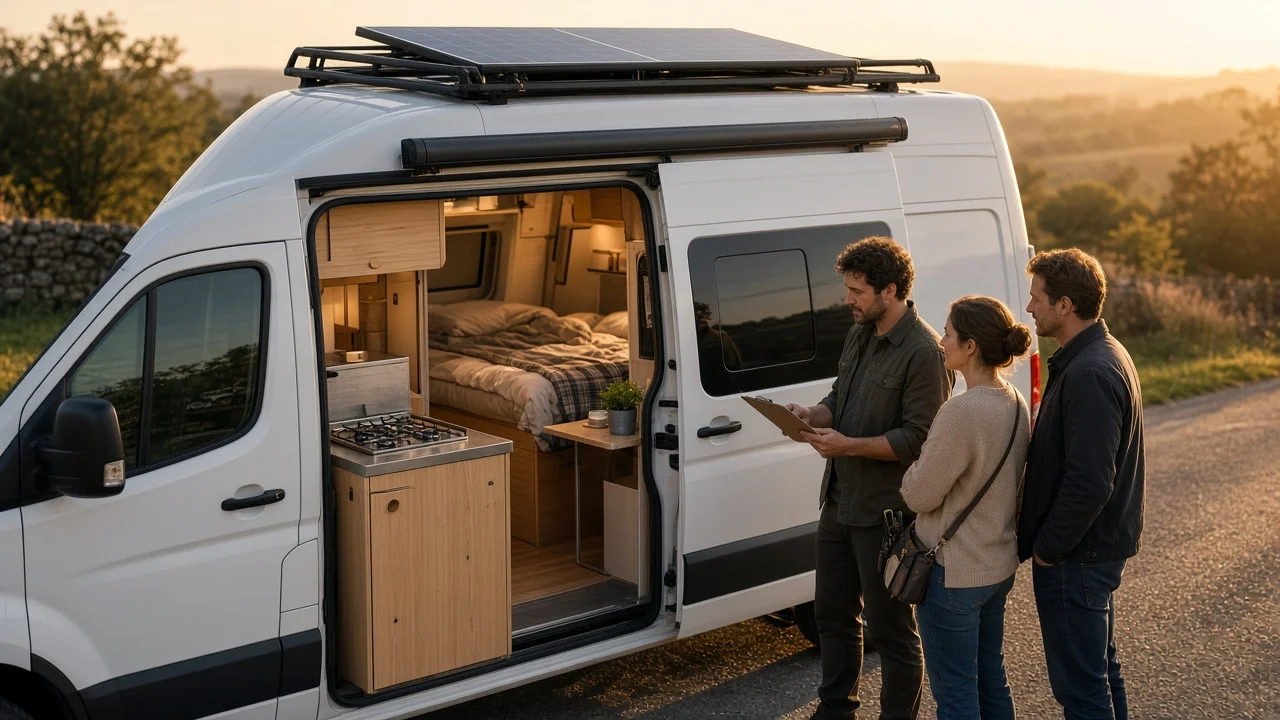
Shopping for a camper van conversion usually means choosing between three routes: buying a used conversion from a private seller or dealer, ordering a build from a conversion company, or buying a base van and fitting it out yourself with parts and packages. Each route trades price, warranty, build quality and waiting time differently, and the right one depends on how you plan to use the van. This guide explains how those routes work and what to check before you commit.
The short answer for buyers
There is no single best camper van conversion company or listing type. A professional builder suits owners who want a documented build, a defined warranty and expert help with electrical, gas and water systems. A used conversion suits buyers who want to avoid build queues and can accept some unknowns. A self-build using a conversion package suits owners who have time, tools and the right skills. Whichever route you choose, judge the conversion and the underlying vehicle separately. A well-finished interior cannot make up for a tired engine, hidden rust or a chassis carrying more weight in cabinetry, water tanks and batteries than it was designed for.
Conversion vans for sale turn up through specialist dealers, builders selling demonstrators or ex-rental vans, auction sites such as eBay, classified sites such as Craigslist, and local dealers and private sellers in your area. The sales channel says little about quality. A private sale can be a careful owner build, and a dealer listing can be a rushed flip. What matters is evidence: photos of the build in progress, receipts for parts and appliances, and a clear account of who carried out the electrical and gas work.
How a conversion is built and sold
Most camper van conversion builders follow a similar sequence. They agree a layout with you, confirm whether you supply the base van or they source it, then strip the cargo area, add insulation and sound deadening, run wiring and plumbing, fit windows or roof vents, and install furniture, a bed and a kitchen unit. Some shops sell fixed conversion packages with a limited choice of layouts, which tends to shorten lead times and simplify pricing. Custom camper van conversion companies design around your specific needs, which usually takes longer and costs more.
Not every business offering a camper van conversion service is a full builder. Some specialists handle only one area, such as roof windows, pop-top roofs, or solar and battery systems, and others mainly sell parts, materials and accessories to self-builders. Knowing which kind of business you are dealing with helps you compare quotes fairly, because a low price from a parts supplier or a partial installer is not the same product as a complete build that has been tested and signed off.
Base vehicle and layout choices that change the answer
The base van shapes almost everything else. Large high-roof vans such as the Mercedes-Benz Sprinter and Ford Transit offer standing room and space for a fixed bed, but they are harder to park and may not fit some garages or parking structures. Compact vans, including Volkswagen Transporter-based campers, are easier to live with as a daily vehicle and often use a pop-top roof for headroom, trading some insulation and discretion for a smaller footprint. Older models such as the Chevrolet Astro, or converted step vans, can be cheaper to buy, but parts availability, rust and the age of the conversion itself become bigger factors.
Layout decisions involve real trade-offs. Keeping a second row of seats preserves passenger space but limits bed size and storage. A fixed rear bed frees floor space but can reduce cargo access through the rear doors. Drivetrain matters too: two-wheel drive suits paved routes, while all-wheel or four-wheel drive versions, where a model offers them, help on gravel, snow or wet campsites. Check how the build affects payload, because water, batteries and furniture add weight that varies with vehicle configuration and is not the same for every van of a given body style.
Where you buy also changes the answer. In the UK and Ireland, buyers often weigh how a van is registered and insured as a camper, and right-hand-drive vans from local conversion companies are generally simpler to register and resell. In Canada, operating conditions such as long, cold winters make heating, insulation and battery performance at low temperatures especially important, and registration and inspection rules vary by province. Wherever you are, confirm local requirements rather than assuming a build accepted in one country or region will be accepted in yours.
Choosing between conversion companies
Start by narrowing your shortlist to builders who work on your chosen base van, since many shops focus on a few models. Then ask each one for a written specification listing the electrical system, heating, water, any gas appliances, insulation materials and the warranty terms for both workmanship and fitted components. Visit the workshop if you can, inspect a finished van in person, and ask to speak with previous customers. Online reviews are useful, but read them for patterns in communication, delays and after-sales support rather than relying on star ratings alone.
Before paying a deposit, agree in writing what happens if the build runs late, how changes to the specification are priced, and who is responsible for the base van while it is in the shop. Ask whether the company carries out gas and electrical safety checks itself or uses a qualified third party, and what documentation you will receive at handover. A clear quote from a slightly more expensive builder is often a better buy than a vague one that leaves key systems undefined.
Checking a used conversion before you buy
A used camper van conversion deserves two inspections: one for the vehicle and one for the living area. For the vehicle, check the service history, look for rust around wheel arches, sills and the floor beneath the conversion, and see whether the van sits level and handles normally when loaded. For the living area, look for signs of water getting in around windows, roof vents and fans, test every appliance, and confirm the battery system charges from the engine, shore power or solar as the seller claims. Ask who built the van, because a conversion from a known builder is generally easier to value and repair than an undocumented one.
Pay close attention to anything that could become a safety issue: furniture or cabinets not secured to the vehicle structure, seats added without proper anchorage, or wiring that is unfused or poorly routed. If the seller cannot explain how the seats and bed are mounted, or the van is advertised as carrying more people than it has belted seats for, treat that as a reason to get an expert opinion or walk away.
Limitations and next step
This guide cannot tell you what a particular van or builder is worth, because value depends on the base model, mileage, condition, build quality and local market, all of which vary widely. Registration, insurance and roadworthiness rules also differ between countries, provinces and states, so confirm them with the relevant authority or an insurer before buying. For gas installations, large battery systems or shore-power wiring, rely on a qualified technician rather than a seller's assurances.
A practical next step is to write down how many people will travel and sleep in the van, where you plan to drive, how often you expect to camp away from hookups, and whether the van must also serve as a daily vehicle. Use that list of ownership needs to shortlist a base van and two or three builders or listings, then compare their written specifications side by side. An independent pre-purchase inspection by a mechanic, plus a check of the living systems by a specialist where available, is the most reliable way to turn a promising listing into a sound purchase.