Camper Van Conversion Insurance
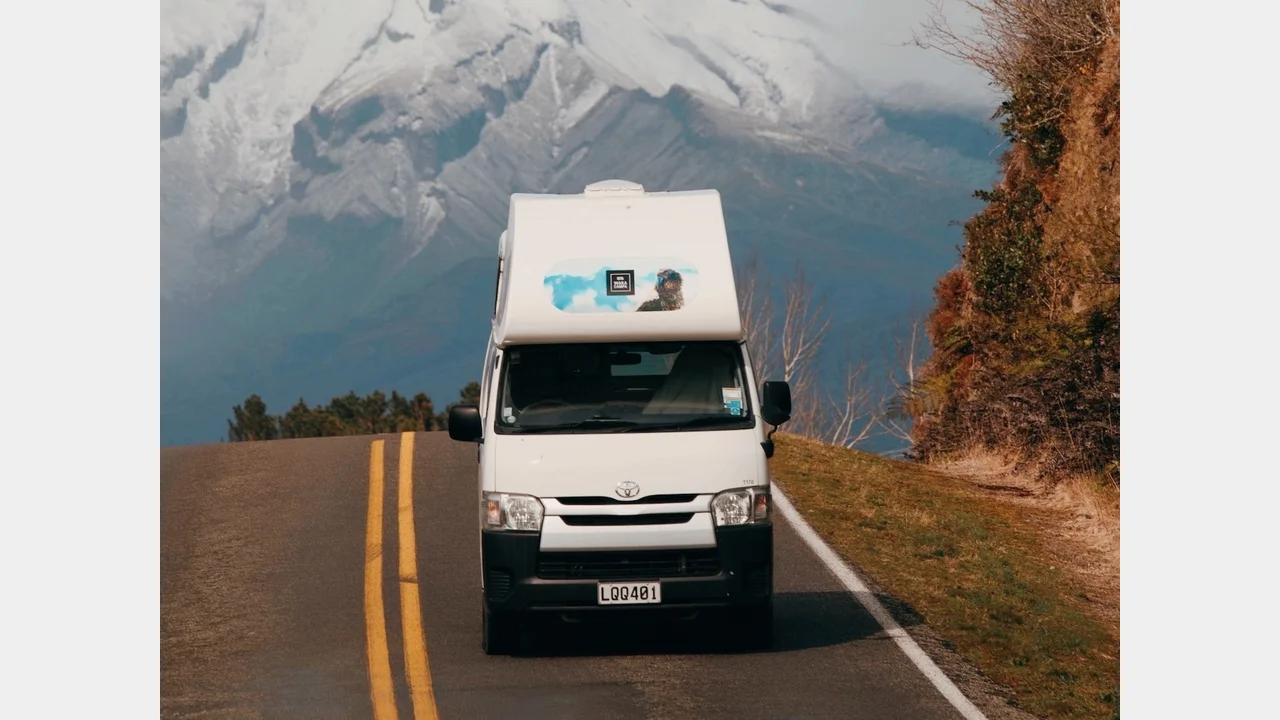
Converting a cargo van into a camper changes how insurers view the vehicle, which is why camper van conversion insurance is a distinct coverage topic. A standard private-passenger auto policy may not recognize added cabinetry, electrical systems, bedding, or a raised roof at the declared value, leaving an owner exposed after a loss. Understanding how a conversion affects underwriting helps you compare policies that reflect the vehicle’s modified use and replacement cost. The same research mindset applies to related build decisions, such as choosing the best insulation for camper van conversion comfort and moisture control.
Essential answer
Camper van conversion insurance is coverage designed for a vehicle that was originally a cargo or passenger van and has been modified with living quarters, camping equipment, or utility systems. The essential distinction is that the insurer agrees to cover both the base vehicle and the permanently installed conversion components, rather than treating the build as uninsured personal property. This matters because a conventional auto policy may pay only the stock vehicle value after a collision or comprehensive loss, leaving the owner to absorb the cost of custom work. Policy language should identify the conversion as an insured modification, and the declared value should reflect the completed build rather than the original commercial van price.
The scope usually includes the main coverage types found in automotive insurance: liability coverage for damage you cause to others, collision coverage for a crash, and comprehensive coverage for events such as fire, theft, vandalism, or weather. A deductible and policy limits still apply, and exclusions can remove coverage for certain uses, such as renting the van or living in it as a permanent residence. Because underwriting depends on how the vehicle is titled, stored, and driven, a converted van that is registered as a motorhome may follow different rules than one still titled as a van. The key qualification is that the insurer must know about the conversion and agree to insure it; concealment can lead to a denied claim.