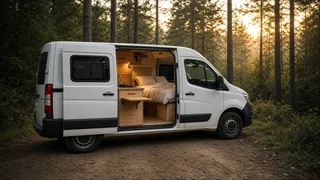
Camper Van Conversion in the Philippines

Choosing a camper van conversion in the Philippines means matching a base vehicle’s body configuration, seating layout, cargo access, wheelbase, powertrain options, and market specification to local travel conditions. Tropical heat, frequent rain, narrow provincial roads, and ferry travel shape every layout decision. A conversion that works well in cooler climates may trap heat, add too much weight, or limit ventilation. Shoppers should therefore evaluate the donor van first, then plan electrical, water, sleeping, and cooking systems for durability in humid coastal environments. This guide explains the core checks that lead to a practical, comfortable conversion without overbuilding a vehicle for weekend use.
The direct answer
The immediate answer is that a camper van conversion in the Philippines should prioritize ventilation, weight control, reliable cooling, and corrosion resistance before luxury finishes. The most practical base vehicles are locally available full-size vans or commuter van bodies with a long wheelbase and a boxy rear section, because these provide enough interior height and flat floor area for a fixed bed and simple galley. A shorter wheelbase improves maneuverability on tight mountain roads, but it reduces the space available for a comfortable sleeping platform and storage.
The most important condition is the intended route. A conversion used mainly on paved national highways can carry a heavier interior build, while one traveling to remote beaches or upland barangays needs higher ground clearance, stronger suspension, and a simpler layout. The donor vehicle’s market specification also matters: locally sold vans may have different air-conditioning capacity, alternator output, and rust protection than gray-market imports. Buyers should confirm that the chosen body configuration allows rear cargo access through a wide side door or tailgate before purchasing, since this affects loading, ventilation, and emergency exit.