Cabin Air Filter Replacement Cost: DIY vs Shop
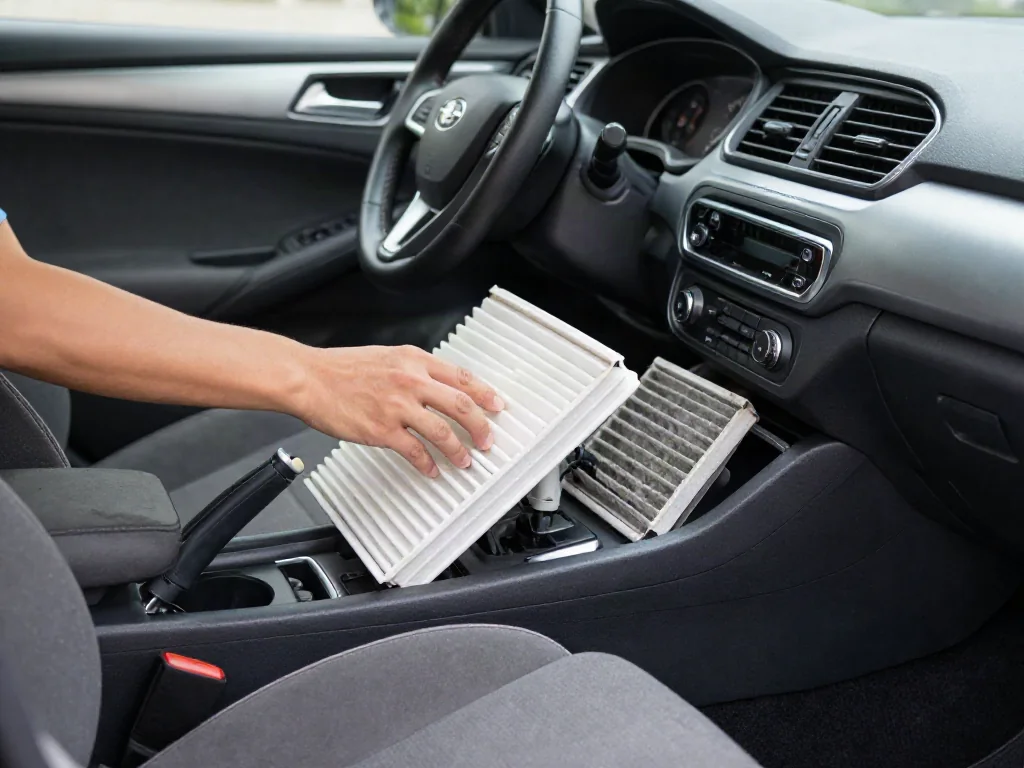
A cabin air filter keeps pollen, dust, and road grime out of the air you breathe inside the car, and replacing it is one of the simplest maintenance jobs on most vehicles. What you pay depends on the filter type, where it sits in the HVAC system, and who does the work. Here is how the costs break down and where doing it yourself pays off.
What a cabin air filter replacement typically costs in total
The total bill has two parts: the filter and the labor to install it. A standard filter commonly runs somewhere around $15 to $40 as a part, and premium versions cost more. Labor for an easy glovebox-access filter is often a small charge, but harder installations can add noticeably more. Put together, many drivers see totals from roughly $40 to well over $100. These are broad typical ranges, not live pricing, and your local labor rates and your vehicle's design will push a quote up or down.
Where you go matters as much as what you drive. Dealerships tend to land in the top band because of higher hourly rates and OEM-branded parts. Independent shops usually fall in the middle and offer more flexibility on part choice. Quick-lube chains often charge a fixed menu price, which can look cheap or expensive depending on how easy your filter is to reach. At all three, the labor portion is frequently the larger share of the bill, even though the job is among the least costly maintenance items.
How much the filter itself costs and why some cost more
On the part alone, a standard particulate cabin filter, sometimes called a pollen filter, generally sits at the lower end of the range. Activated carbon cabin filters add a layer of charcoal-treated media that helps absorb odors and some exhaust fumes, and they usually cost more. Economy aftermarket filters are the cheapest. Name-brand aftermarket filters cost a bit more for more consistent construction. OEM-branded filters typically cost the most, largely because they are made to fit and match the factory specification.
Before comparing prices, confirm fitment by entering your year, make, and model in a parts lookup rather than assuming a similar-looking filter will work. A suspiciously cheap filter may use thin media or a flimsy frame that leaves gaps around the edges, letting unfiltered air bypass it. A reasonable filter has evenly spaced pleats, a snug foam or rubber edge, and a frame that holds its shape. There is no single correct price. A fair one sits within the typical band for the filter type your vehicle requires.
Why shop labor quotes vary so much for the same job
Filter location drives most of the difference in labor. On many vehicles the filter slides out behind the glovebox after you release a couple of stops or clips, which takes a technician only minutes. Others place it under the cowl panel below the windshield or deep behind the dash, where trim pieces or lower dash covers must come off first. Two cars of similar size can therefore get very different quotes for what sounds like the same job, simply because one takes minutes and the other takes much longer.
Shops also price the work differently. Some treat it as a flat add-on during an oil change, while others bill it as a standalone job at their hourly rate, sometimes with a minimum charge. Dealership labor rates and parts markup usually run higher than at an independent shop, and chains often fold the task into a set menu price regardless of how hard the filter is to reach. Whenever you get a quote, ask for the parts and labor split so you can see how much you are paying for the filter and how much for the time.
Doing it yourself: realistic savings and when it makes sense
If your filter sits behind the glovebox, doing it yourself usually needs no tools and takes a few minutes, so your cost is essentially the price of the part. Before buying anything, check the owner's manual, which typically shows the filter location and basic access steps for your specific vehicle. Your realistic saving is the labor portion of a shop quote. That saving shrinks when the filter sits under the cowl or behind panels, because the job then takes more time, more care, and sometimes basic tools.
When you do the swap, note the airflow direction arrow printed on the filter frame and install the new one pointing the same way as the old one. Clear out any leaves, pine needles, or debris in the housing, then press the cover fully back into place so it seals without a gap. Leave the job to a shop if reaching the filter means taking apart the dash or cowl and you are not comfortable doing that, or if the housing cover is cracked or missing, since a poor seal defeats the filter.
Cabin filter and engine air filter together: bundled cost
The cabin air filter and the engine air filter are separate parts with separate prices. The cabin filter cleans the air entering the passenger compartment through the HVAC system. The engine air filter sits in an airbox under the hood and cleans the air the engine draws in for combustion. Engine air filters often cost roughly the same as standard cabin filters, so buying both parts together commonly totals somewhere around $30 to $80, depending on brand and vehicle.
Shops often suggest replacing both at the same visit because both get inspected during routine service and the vehicle is already in the bay. Doing both at once can cost less in labor than two separate visits, but check each part's price against typical values rather than accepting the combined figure at face value. On many vehicles both filters are easy to change yourself, and the engine air filter is often held in by simple airbox clips. Doing both yourself can turn a meaningful shop bill into little more than the cost of the parts.
Avoiding overpaying: upsells, timing, and what to check
The classic upsell moment comes during an oil change, when a technician brings a dirty filter over to show you. A gray or dusty surface is not automatically a problem, because filters darken quickly and keep working. Look instead for heavy debris, packed leaves, or media that looks clogged when you hold it up to the light. How often to replace it depends on the manufacturer's recommendation and where you drive. Dusty roads, heavy pollen, and city traffic clog a filter faster, so follow your own maintenance schedule rather than a universal interval.
Signs a filter may be due include weak airflow from the vents, a musty smell when the fan runs, or visible debris in the housing. These symptoms can also have other causes, such as a weak blower motor, a blocked evaporator drain, or moisture in the HVAC system, and a shop may need to check for them. Before approving the work, ask to see the old filter and the price of the new part, then compare the quote with the typical ranges covered here. That simple step keeps a low-cost job from becoming an overpriced one.