C123F steering angle sensor comparative performance
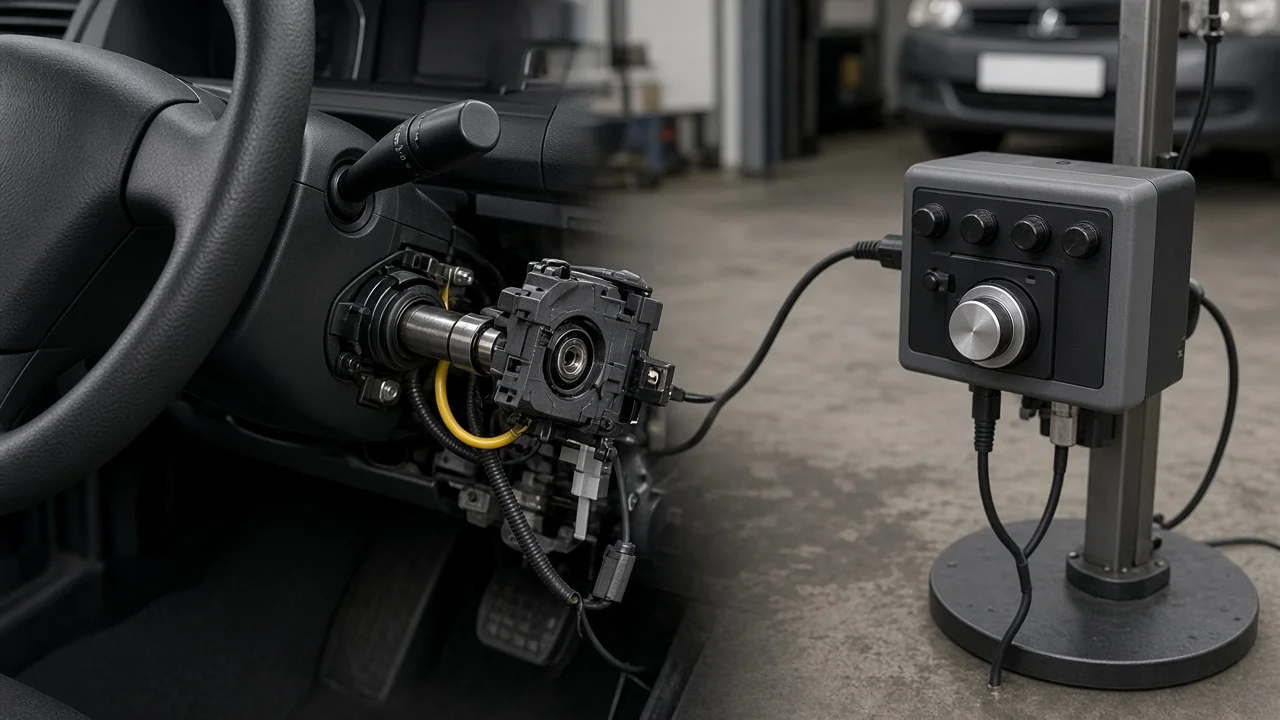
When a C123F steering angle sensor code appears, the immediate question is usually whether one replacement part or calibration strategy performs better than another. The answer depends less on a universal ranking and more on how the sensor signal, mounting position, and stability control system interact on a particular vehicle. A comparative view helps you weigh original-style parts against aftermarket alternatives, but a fault code is only a starting point. The real goal is identifying why the signal became implausible so the repair restores predictable steering response and stability control behavior without unnecessary parts swapping.
Direct answer
The direct answer is that no single steering angle sensor is automatically best for every C123F condition. A comparative performance decision should favor the component that restores a clean, centered, zero-degree signal through the full steering range. Before replacing hardware, confirm that the issue is not rooted in suspension geometry or mounting. Wheel alignment changes such as a shifted toe setting alter the relationship between the steering wheel and road wheel angle. If the sensor is mechanically secure and the steering wheel is straight during a level road test, the remaining fault often points to internal signal drift or a calibration mismatch rather than a clearly superior replacement brand.
Always treat the code as evidence of a system disagreement, not proof that the sensor itself has failed. Joint play in tie rods, a loose intermediate shaft, or movement at the sensor mounting points can create exactly the kind of erratic reading the control module labels as C123F. On uneven vehicle support or incorrect ride height during a repair, the displayed center position may also shift enough to trigger the code. A useful comparison therefore starts by checking mechanical stability and straight-ahead alignment, then evaluates whether the sensor can be recalibrated. If replacement is required, choose a part with clean steady-state output and full-range tracking, and confirm the installation angle matches the original design before returning the vehicle to service.