C0899, C0900 and Related Chassis Codes: Voltage Checks and Repairs
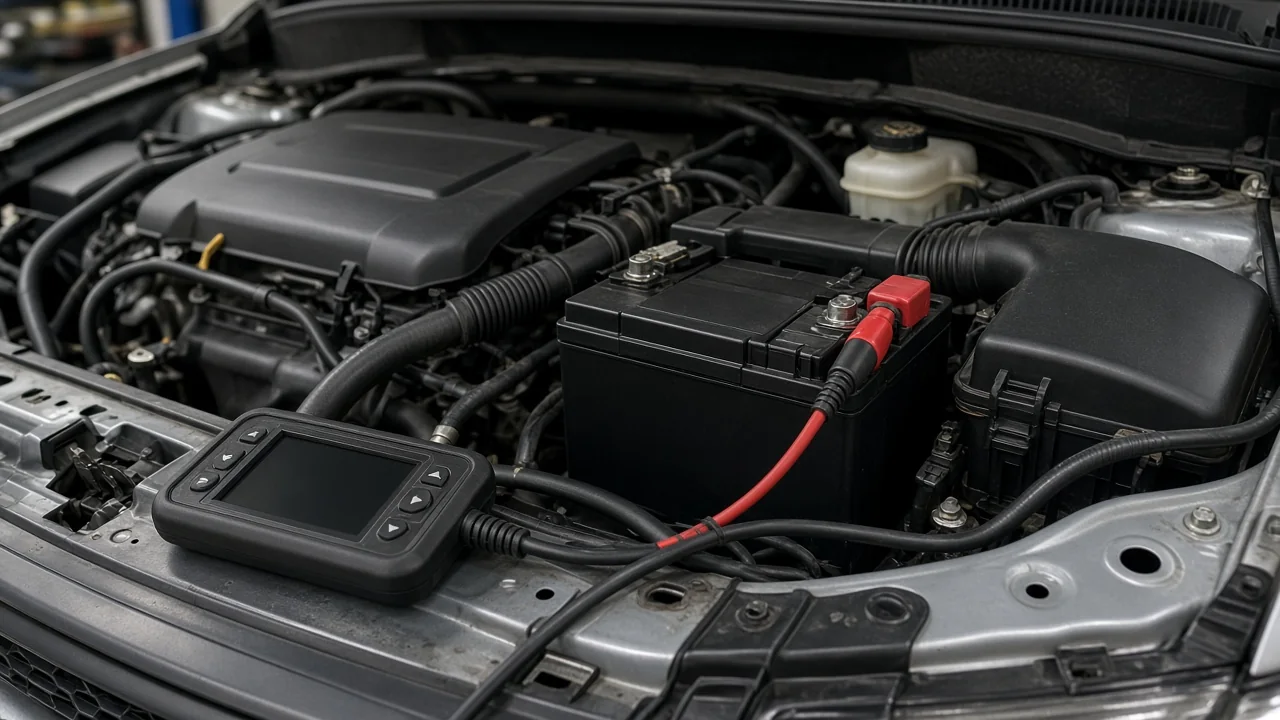
C0899 and nearby chassis diagnostic trouble codes often point to how a control module saw its supply voltage, not to one failed part. A C0899 code, C0900, C0895, C0896, C0889, C0890, C0898, or C0902 can mean different things by year, make, model, and reporting module. Battery condition, charging system health, and power and ground circuits all belong in the investigation, with the scanner description treated as a starting point rather than a parts list.
Verify the Meaning of C0899 for the Vehicle and Reporting Module
A C0899 code is useful only after its published meaning is matched to the vehicle year, make, model, and the control module that set it. Chassis diagnostic trouble codes in this family are manufacturer-dependent, so the same number can describe different supply conditions on different platforms. Record the complete identifier, including any suffix or symptom byte the scan tool shows, along with the scanner's exact wording. A short display of C0899 alone can leave the reporting module, circuit, and whether the fault is current or stored unresolved.
When vehicle-specific information identifies C0899 as a module supply voltage concern, treat that as a report of what the module measured on its power feed, not as proof that the battery, charging system, or the module itself has failed. Low, high, or unstable voltage at the connector can come from wiring, grounds, connectors, or a weak source. Nearby numbers such as C0900 or C0896 do not automatically share that definition or the same repair path. Confirm each stored fault against the applicable diagnostic information before grouping them as one problem.
Confirm C0900 and the Other Listed Chassis Code Definitions
C0900, a C0889 code, C0890, C0895, a C0896 code, C0898, and C0902 each need the same vehicle-specific lookup as C0899. Assign a meaning only from the diagnostic information for that year, make, model, and reporting module. Identify the affected circuit and the module that stored the fault only when that documentation names them. A C0900 code on one chassis system is not a template for another, and C0895 or C0898 may describe a different voltage window, circuit, or monitor even when they appear next to C0899 in the same scan.
Where the verified definition supports a low, high, or interrupted voltage interpretation, use that wording as the test target rather than a universal voltage number. Thresholds, sample times, and which pin is monitored vary by manufacturer and module, so they should not be assumed from another vehicle. Several stored fault codes together still need context from when they set, module scan data, and any companion power, communication, or chassis faults. That history decides whether the codes share a supply event or point to separate circuits, and it prevents replacing parts the tests have not justified.
Symptoms and Event History That Help Explain the Codes
Symptoms depend on which module stored the code and how that vehicle handles a supply-voltage concern. An ABS warning light, traction or stability messages, reduced chassis-system assistance, or a charging warning may appear, while another vehicle may show little more than a stored C0899 with no driver message. Ask whether the code followed a weak start, a jump-start, a discharged battery, or recent electrical work. Those events are useful clues about battery condition and charging system stress, but they are not confirmed causes until testing shows voltage at the module versus the rest of the electrical system.
Record whether each fault is current, intermittent, or historical using the scanner's status flags, freeze-frame or event data, and whether the code returns after a key cycle. A one-time C0890 or C0902 after a low-voltage event is a different diagnostic problem from a code that remains active every drive. If braking or steering behavior changes, a red brake warning appears, or smoke or a burning smell develops, stop safely and arrange assistance rather than continuing to drive. Those signs can involve more than a stored chassis code and should not be treated as a wait-and-see electrical nuisance.
Safe Battery and Charging Observations Before Service
Before any service work, an engine-off visual check can show obvious terminal corrosion, damaged battery cables, or loose-looking connections without disconnecting or disturbing them. Leave clamps, grounds, and fusible links in place during that look. Note slow cranking, dimming lights, and charging warnings as observations only, because each can come from battery condition, the charging system, high resistance in power and ground circuits, or a combination of those issues. The goal is a record of what was seen and heard, not a roadside diagnosis that treats C0899 as a failed battery or alternator.
A resting battery reading by itself cannot establish battery health or charging-system performance, and expected values depend on temperature, recent charging or discharging, and the vehicle's electrical design. Do not use a single meter snapshot to clear or condemn C0899, C0900, or related chassis codes. If the battery case looks swollen, if there is leakage, unusual heat, or damaged wiring, stop and have a professional inspect the vehicle. Skip live-circuit probing, cable-disconnection tests, and any work near moving engine components; those steps belong in a shop with the procedures and isolation methods the manufacturer specifies.
Professional Tests That Identify the Voltage Fault
A scan tool that can communicate with the affected chassis module is needed because a basic engine-code reader may never display C0899, C0900, or the related codes, and it rarely shows module scan data, status, or supply-voltage parameters. Once communication is established, technicians test battery condition and the charging system under the conditions the manufacturer specifies for that vehicle, rather than under a generic idle snapshot. Those tests show whether the source voltage is adequate while loads are applied, which is the environment in which a module is most likely to report a supply fault.
When source voltage looks acceptable, attention turns to the module's power and ground circuits. Voltage drop testing under load can locate resistance in feeds, grounds, and connectors that a no-load reading will miss, and it can explain an interrupted supply without a failed control unit. For intermittent C0896, C0898, or similar stored faults, technicians compare stored event data with live module voltage during the conditions that previously set the code. That comparison is what keeps a control module from being condemned before wiring, terminals, and supply quality have been ruled in or out.
Repair the Confirmed Cause and Verify the Result
Repair should follow the confirmed finding, not the code number. Verified battery service or replacement, charging-system repair, or correction of a wiring, connection, or ground fault addresses the supply problem the module actually reported. Module repair, replacement, or programming is reserved for cases in which vehicle-specific testing has isolated the control unit and any required setup, coding, or calibration can be completed. A C0889 code or C0895 that cleared after a connection repair does not justify a new module, and a module that still sees poor supply voltage after installation will set the same chassis codes again.
Clearing C0899 or a C0900 code without repairing the cause only removes the reminder; the monitor can set the fault again on the next qualifying voltage event. Preserve diagnostic records, including original descriptions, status, and captured module voltage, before codes are erased, because that information is hard to reconstruct later. After repair, scan the chassis modules again and verify under conditions relevant to the fault, such as cranking, loaded charging, or the driving situation that previously set the code. A returning code means the cause is still present or another circuit needs diagnosis.