C0625 to C0632 Codes: Causes, Symptoms and Diagnosis
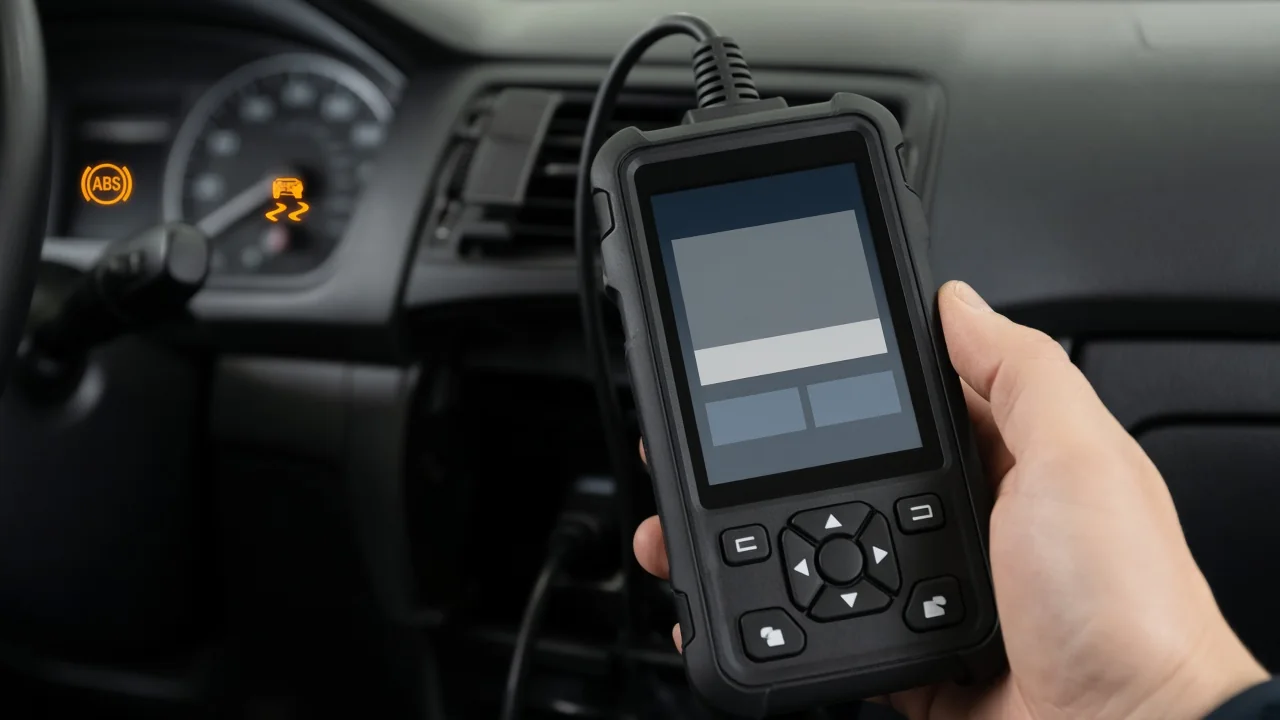
When a chassis code such as C0630, C0631, C0625, C0626, or C0632 appears, it means a module has detected an issue in the vehicle's chassis systems—braking, stability, suspension, or steering electronics. These C-code faults are often manufacturer-specific, so their meaning varies by vehicle. Understanding how to look up the exact definition, record symptoms, and avoid guessing will help you diagnose the problem safely.
What C06xx Chassis Codes Are and Why Their Meaning Varies by Manufacturer
Chassis codes with a C prefix are set by control modules responsible for vehicle dynamics, including the ABS control module and electronic brake control module. The C06xx range is largely manufacturer-defined, so each automaker assigns its own meanings. Because of this, C0625, C0626, C0630, C0631, and C0632 do not share one universal definition. A code that indicates a suspension position sensor fault on one vehicle could refer to a steering angle sensor circuit on another, which is why confirming the exact application matters.
A capable scan tool can read the reporting module and display the factory description. The module that stored the code, the status flags showing current or history codes, and the total list of stored chassis diagnostic trouble codes all shape the diagnosis. An intermittent fault logged only once during a cold start is different from a current code that returns immediately after clearing. Factory service information provides the correct interpretation, and a dealer or qualified independent shop can also retrieve the vehicle-specific definition.
C0630 Code: How to Look Up Its Meaning and What It Usually Points Toward
To find what C0630 means on a particular vehicle, first identify which module reported it. The scan tool should show whether the code came from the ABS control module, a suspension controller, or another chassis system. Only the manufacturer description gives the true definition; generic online lists can be misleading. The C0630 code number identifies a detected condition, but the affected component depends on the vehicle platform and module software.
In general, this code range can relate to sensor signals, position or height sensors, steering angle sensors, or circuit faults such as open or shorted wiring. Before testing, record all warning lights on the dash, when the code appears, whether it returns after clearing, and any other codes stored alongside it. A C0630 accompanied by a wheel speed sensor code may point to a shared connector or harness issue. Even if the code is clear and the stability control warning light is off, the stored information still matters.
C0631 Code: Checking the Definition and Reading It With Related Codes
C0631 must be confirmed in the same way as C0630. Do not assume it describes the same fault type or component. On one vehicle it might be a suspension position sensor circuit problem; on another it could be a steering angle sensor signal issue. The factory service information for the exact model, year, and module is the only reliable source. A scan tool that reads chassis modules and displays the manufacturer's code definition is essential.
Neighboring codes often appear together, and a pattern of related codes can suggest a shared wiring harness, connector corrosion, or a common power or ground issue rather than several separate failures. For example, C0630 and C0631 may both be stored if one sensor circuit loses its reference voltage. Freeze frame data, when available, shows the conditions when the fault was logged—vehicle speed, temperature, or sensor values—which helps reproduce the problem. Replacing parts based only on the code number is a mistake; a code is a symptom, not a diagnosis.
C0625 and C0626 Codes: Confirming Meaning Before Drawing Conclusions
C0625 and C0626 must each be looked up for the specific vehicle and module. Different manufacturers use these codes for different components, so a definition for a sedan may not apply to an SUV or truck. The scan tool should display the factory description and the module that stored the code. Some platforms use C0625 for a sensor circuit fault and C0626 for a different, related condition—but only the vehicle-specific service information can confirm this.
A code that describes a circuit problem, such as an open, short, or out-of-range signal, points toward wiring, connectors, or sensor supply voltage. A code that describes an implausible or missing signal may mean the sensor is still reporting but the value does not match other inputs. Everyday factors can help: recent repairs, wheel or suspension work, battery replacement, water exposure, or visible damaged wiring. If a code clears and does not return, it may have been a one-time glitch, but if the stability control warning light stays on, the vehicle needs attention.
C0632 Code: What to Record and When It Needs Professional Testing
To diagnose C0632, first look up the manufacturer definition and note which module stored it. The scan tool will show whether the code is current or stored in history. A current code means the fault condition is present right now, while a history code indicates it occurred before but is not active at the moment. If C0632 shows up alongside C0625, C0626, C0630, or C0631, the pattern may point to a shared sensor feed or module communication issue.
Pinpoint testing of sensors, wiring, and modules requires proper tools and service information. Measuring circuit resistance, checking for connector corrosion, and verifying sensor calibration should be left to a qualified technician. Some chassis faults need calibration or relearn steps after repair—for example, a steering angle sensor may require a reset procedure. These procedures depend on the vehicle and the diagnostic equipment available, so professional testing is often the safest and most efficient route.
Symptoms and Warning Lights Linked to These Chassis Codes
These chassis codes can trigger various warning indicators. An ABS or traction control light may come on, or a stability control warning light may flash or stay illuminated. Some vehicles display a suspension or steering system warning, while others use a generic check engine or service vehicle soon light. The specific light depends on the module that set the code and the manufacturer's strategy. Do not assume that one code always turns on the same light.
Affected systems may reduce or disable assist features. For example, stability control may become inactive, or power steering assist may change. Normal braking or handling feel can differ, especially if the ABS is disabled. Any change in braking, steering, or ride height is a safety concern and should be checked promptly. In some cases, a code can be stored with no noticeable symptoms—the system may still function but has flagged a pending fault. Recording the code and storing the freeze frame data is still valuable.
Safe Diagnostic Approach and When to See a Professional
A safe diagnostic approach starts with reading all codes using a scan tool that can access chassis modules. Write down each code, its definition, and its status. Check for obvious visible damage to wiring harnesses and connectors without taking anything apart. Clearing codes repeatedly just to turn off lights hides important information and can make diagnosis harder. If braking, steering, or stability systems seem compromised, stop driving and have the vehicle inspected.
Many basic scan tools only read engine codes and will miss C-codes entirely. A professional-level scan tool or factory software is often needed to see all chassis modules. When visiting a technician, provide the full code list, module names, when the code appears, symptoms, and any recent work on the vehicle. Ask whether any manufacturer service bulletins apply to the fault. This information saves time and helps the technician locate the root cause without unnecessary parts replacement.