C0616, C0610 and C0614 Codes: Meanings and Diagnostic Steps
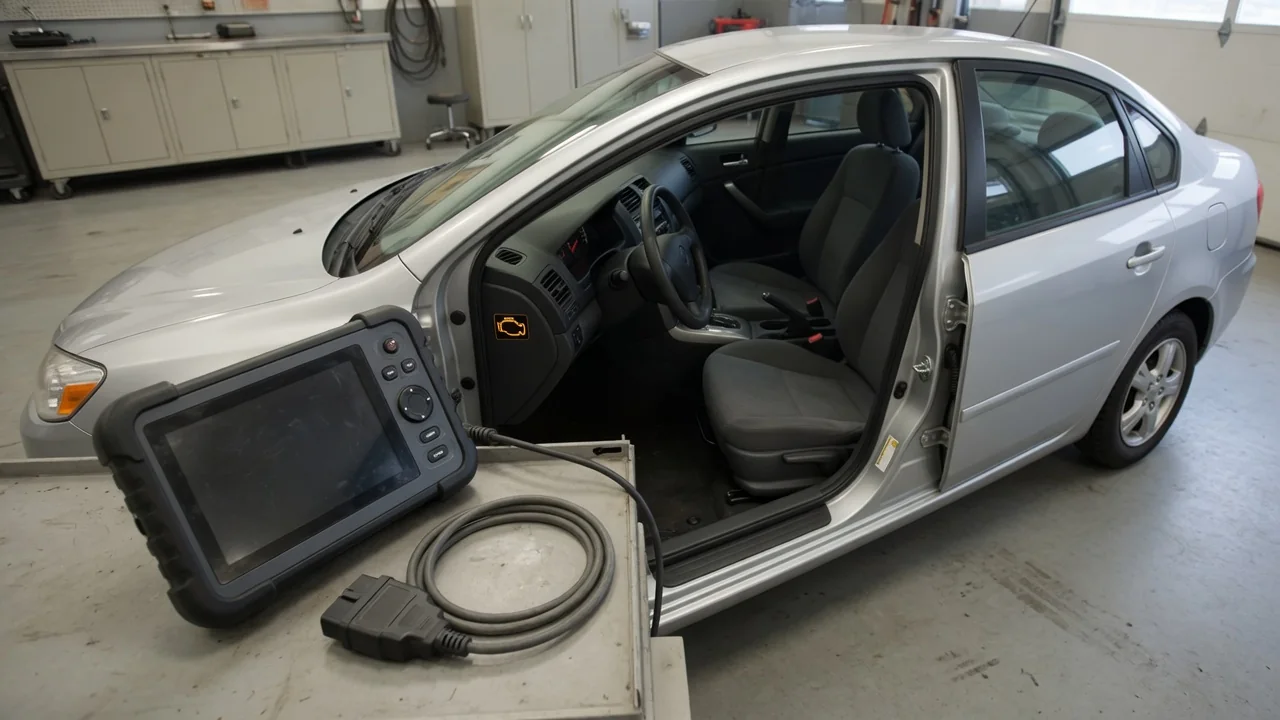
When a chassis diagnostic trouble code such as C0616 appears, the exact meaning depends on the vehicle’s year, make, model, equipment, and reporting module. The same alphanumeric string can point to different systems on different vehicles, so obtaining the correct definition is essential. This article explains how to verify C0616, C0610, and C0614, document symptoms, understand possible causes, follow a safe diagnostic path, and confirm repairs.
Verify What C0616 Means on the Specific Vehicle
C0616 is a manufacturer-specific chassis code, which means its definition varies by automaker. Always confirm the meaning using the vehicle's year, make, model, equipment and reporting module before interpreting the code. The chassis-code classification alone does not identify a failed component or establish a universal definition. A service manual or a professional scan tool with the correct vehicle profile is required to obtain the exact description.
Record the complete code, any suffix, and the scanner’s exact description. Note whether the fault is current or stored in history, as this affects interpretation. A scanner’s abbreviated label may need confirmation through applicable service information. For example, the code could relate to a steering angle sensor, suspension component, or brake system depending on the vehicle, so verifying the definition is the first diagnostic step.
Confirm the Definitions of C0610 and C0614
C0610 and C0614 also require separate vehicle-specific verification. Do not assume that nearby code numbers share a component, location, or diagnostic procedure. Each code may be reported by different modules and define different circuits. If multiple codes are present, document their reporting modules and status before proposing a connection. For instance, C0610 and C0614 might both relate to steering or suspension, but that is not guaranteed.
Keep coverage focused on the supplied codes within the C0610–C0616 range without inventing definitions for intervening numbers. The presence of multiple codes can indicate a shared power or ground fault, but it can also reflect separate issues. To avoid misdiagnosis, obtain the manufacturer-specific definition for each code from the applicable service information before drawing conclusions.
Symptoms to Record and When to Stop Driving
Document warning messages and changes in vehicle behavior as observations to record, linking specific symptoms only to the verified affected system. Note when the warning appears, whether it returns after restarting, and whether vehicle behavior changes at the same time. For example, a C0616 may accompany a service stability message, a change in steering feel, or no noticeable difference. Record the exact message and any related indicator lights.
A code may appear without an obvious driving symptom, but symptom absence does not establish safety. If braking, steering, stability, or vehicle control is affected, stop safely and arrange professional assistance. Follow the owner’s manual for warning-specific guidance. Even if the vehicle seems to drive normally, a fault in a chassis control system can disable safety features, so prompt diagnosis is advisable.
Possible Causes and What the Code Cannot Prove
After confirming the definition, possible causes include wiring faults, connector damage, power or ground problems, or a fault in the monitored component. A code naming a circuit or component does not prove that replacing that component will resolve the fault. The root cause is often in the wiring or connections. For example, a C0616 related to a steering sensor could be caused by a damaged harness or poor ground rather than the sensor itself.
Treat recent repairs, battery events, or moisture exposure as diagnostic context rather than proof of a cause. A low battery voltage or a disconnected connector during service can trigger spurious codes. Moisture in a connector can also create intermittent faults. Without testing, these factors are only clues. Avoid claims about the most common failure or a specific replacement part without evidence applicable to the vehicle.
A Safe Diagnostic Path for a C0616 Code
When addressing a C0616 code, preserve code details, available event data, and dashboard messages before clearing anything. Note the freeze frame data if accessible, as it shows operating conditions at the time of the fault. Limit owner observations to accessible areas with the vehicle parked and powered off. Do not crawl underneath, disturb connectors, or probe circuits, as these actions can cause damage or introduce new faults.
Professional diagnosis may require a scan tool capable of accessing the reporting chassis module and the vehicle-specific diagnostic procedure. A technician can use specified electrical tests and module data to isolate the fault, such as checking circuit continuity, resistance, and voltage according to the service manual. This process identifies whether the issue is in a sensor, wiring, or module without unsafe testing or bypass instructions.
Repair Decisions and Confirmation That the Fault Is Resolved
Repair decisions should tie to confirmed findings, which may support wiring or connector repair, correction of a supply issue, or replacement of a verified faulty component. Follow the applicable service procedure for any programming, setup, or calibration needs. For example, some chassis sensors require calibration after replacement. A wiring repair may not need programming, but the system should be checked for proper operation before returning the vehicle.
Clearing a code alone does not demonstrate a successful repair. Verification includes rescanning and checking system operation under appropriate conditions. Ask the repair shop for the confirmed code definition, test results, proposed repair, and verification plan before authorizing parts replacement. After the repair, confirm that the code does not return in a road test and that all warning lights are off.