C0600, C0602, C0603 and C0604 Codes: Meanings and Diagnosis
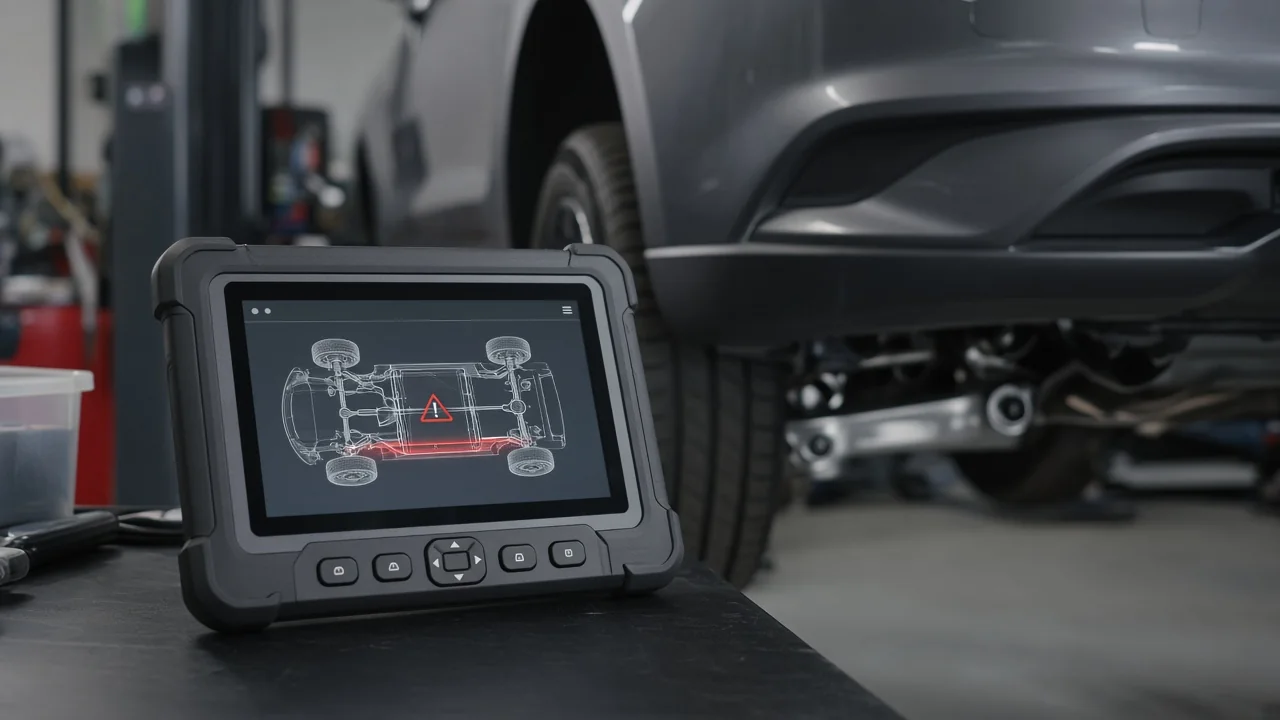
A C0604 code can appear in a chassis control module and often points to an electrical or communications problem. Codes C0600, C0602, and C0603 use the same general format, but each requires the exact definition for the reporting module and vehicle before any repair is considered. Because these are chassis diagnostic trouble codes, the meaning can change between manufacturers, and a code alone is not proof that a part has failed. Start with the complete scan report and the correct service information to interpret the fault status accurately.
Verify the Vehicle and Reporting Module Before Decoding
Chassis diagnostic trouble codes beginning with C0600 are manufacturer-specific and must be decoded against the exact vehicle, reporting control module, and relevant equipment. The first step is to record the complete code text, including any suffix that may indicate a failure type or circuit location. Year, make, model, and module identification are needed because the same code number can refer to different systems on different vehicles. Manufacturer service information provides the verified definition and the conditions the module uses to set the code. Without that confirmation, any diagnosis is speculative and may lead to unnecessary component replacement.
A scan tool with appropriate module coverage can read the fault status and show whether the code is current, pending, or stored. That information distinguishes a code identifying a detected condition from proof that a particular component needs replacement. For example, a C0604 code may indicate a detected circuit fault, but the cause could lie in wiring, a connector, or the monitored component. Diagnostic records from previous scan sessions can reveal if the code has recurred or changed. Treat the code as a starting point for testing, not as a direct instruction to replace a part.
C0604: Confirm the Meaning and Document the Symptoms
C0604 is the more common chassis code among this group, but its meaning still depends on the reporting module. Confirm the vehicle-specific definition before naming an affected component, circuit, or function. Record whether the fault is current, stored, or intermittent using the scan tool’s terminology, because a stored code may indicate a past condition that is not active now. A current code that returns immediately after clearing suggests a hard fault, while an intermittent code may appear only under certain operating conditions. Document any warning messages that accompany the code and note exactly when they appear, such as during startup, at highway speed, or after turning.
Useful observations include changes in ride or handling, unusual noises, or the complete absence of noticeable symptoms. Some chassis codes set without triggering a driver warning, while others may light a stability or suspension warning lamp. Possible cause categories—such as wiring, connections, power supply, or the monitored component—should be considered only after the verified definition is known. A warning message or driving symptom alone cannot identify the failed part, nor can it establish whether the vehicle is safe to drive. For example, a C0604 related to a suspension position sensor may cause altered damping but not immediate danger, while a code affecting stability control could have more serious implications.
C0600: Establish What the Module Detected
A C0600 code must also be defined for the exact vehicle and module before the diagnosis can proceed. The scan tool may show the full description, but if it shows only the code number, consult manufacturer service information for the specified reporting module. Determine what the module monitors and what condition triggers the code. For instance, in some applications C0600 may relate to a suspension control module internal check, while in others it could refer to a serial data message error. Accompanying codes can provide context because modules often store related failures simultaneously, but they do not independently prove the root cause.
Collect relevant history about recent electrical work, battery issues, or the circumstances of the first warning. A low battery or a jump start can sometimes set communication or voltage-related chassis codes without indicating a permanent fault. Note whether the code appeared after a tire change, alignment, or other service that might involve a sensor or wiring connector. Such events are useful clues but not assumed causation. The technician will combine this history with live data and electrical circuit testing to trace the exact fault path described in the C0600 definition.
C0602: Use the Complete Code Description
A C0602 code should never be interpreted by analogy to nearby code numbers such as C0600 or C0604. Verify the complete code description against the correct vehicle and module documentation. The definition may specify a particular location, circuit, or failure type—such as an open circuit, short to ground, or signal out of range—and that wording is essential for the next steps. If the description refers to a specific sensor or actuator, the diagnostic procedure must follow the service information for that component and its connector. Replacing a component based only on the code number is premature and often fails to correct the underlying issue.
Once the definition is confirmed, follow the prescribed diagnostic checks rather than guessing. These checks may include inspecting a particular connector for corrosion, measuring a reference voltage with a digital multimeter, or using an enhanced scan tool to command an actuator. The goal is to determine whether the module is correctly reporting a real circuit fault or whether the module itself is faulty. Because chassis systems often share power and ground paths, a single poor connection can affect multiple codes. Isolate the fault to a specific wiring branch or component before making any repair.
C0603: Record Fault Status and Operating Conditions
A C0603 code, like the others, requires a confirmed definition for the vehicle before it is linked to symptoms or possible causes. Some systems use C0603 to indicate a calibration or internal memory error, while others use it for a specific sensor circuit. The fault status read by the scan tool is important: a current code indicates the condition is present, while a pending code may need additional drive cycles to be confirmed. Available module records may include freeze frame data showing vehicle speed, temperature, or system voltage at the time the fault was set. That data helps a technician understand when the condition was detected.
Intermittent behavior or an absent warning at the time of inspection does not establish that the underlying issue has been resolved. A connector with increased resistance may make contact only when the vehicle is cold or when suspension movement flexes a wire harness. The technician may use a wiggle test or monitor live data while driving to reproduce the fault. If the code is intermittent, clearing it and returning the vehicle may simply postpone the next failure. Proper diagnosis involves following the service information for the specific C0603 definition and testing the associated circuit under conditions that might trigger the fault.
Safe Next Steps and Professional Testing
Save the complete scan report and note any warning messages before clearing codes or disconnecting the battery, because those actions may remove useful diagnostic evidence. Freeze frame data and code status can be lost permanently, making the next diagnosis more difficult. As an owner, limit your checks to documenting symptoms and observing readily visible damage while the vehicle is safely parked. Do not lift the vehicle, disconnect suspension components, or probe electrical circuits without proper training and tools. A visual inspection of exposed wiring and connectors may reveal obvious corrosion or rodent damage, but most chassis faults require specialized testing.
Professional testing may include module scans, service-information-guided electrical measurements, and supported functional tests, with particular attention to the verified C0604 fault path. If braking, steering, stability, or vehicle control is affected, stop safely and arrange professional assistance. Do not infer driving safety from the code alone; a chassis fault that seems minor could escalate under certain driving conditions. After a repair, the prescribed verification procedure and a follow-up scan should confirm the code does not return under the same conditions. Simply erasing the code does not confirm a repair because the fault may still be present or may recur after several drive cycles.