C0580, C0585 and C0590 Codes: Meaning, Symptoms and Diagnosis
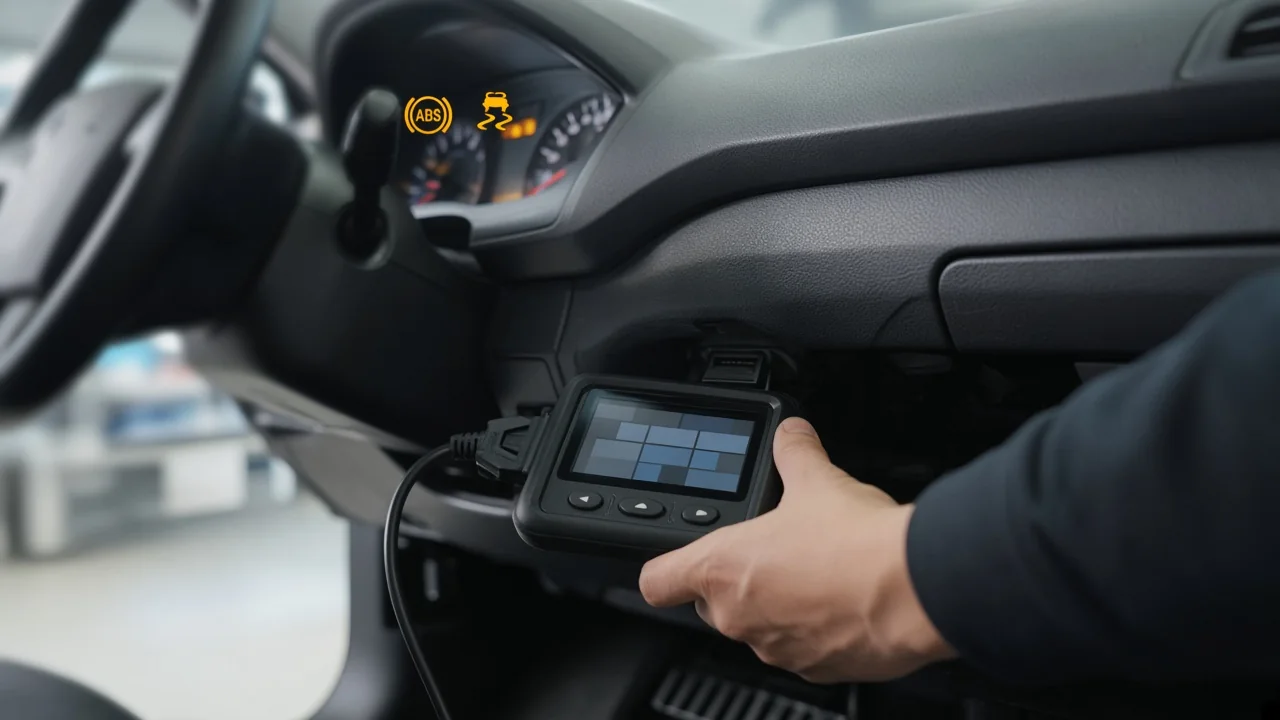
When a C0580, C0585, or C0590 chassis trouble code appears, the ABS warning light, traction control light, or stability control system may illuminate. These C-codes often relate to the electronic brake control module, wheel speed sensor circuit, steering angle sensor, or module communication fault. Because such codes are manufacturer-specific, you need scan tool live data, freeze frame data, and VIN-specific code definition to interpret them accurately.
What the C0580 to C0590 Chassis Code Family Is and Why Meaning Varies by Make
C-prefix codes are chassis codes, usually reported by brake, stability, traction, steering, or suspension control modules. They indicate a fault in a system that affects vehicle dynamics, such as the anti-lock braking or electronic stability program. A C0580, C0585, or C0590 code means the module has detected an issue in a sensor circuit, actuator, or internal operation. These codes do not point to one universal problem across all vehicles. Instead, the exact meaning depends on the manufacturer, model, year, and which control module reported the code. Without the correct definition, any attempt at repair is a guess.
A generic code reader may show only the code number or a vague description, leading to misdiagnosis. The module name and any subcode matter because the same number can refer to completely different systems. For example, C0580 could be a steering angle sensor fault on one vehicle and a suspension accelerometer issue on another. Therefore, confirm the definition with a manufacturer-level scan tool, factory service information, or a dealer before interpreting the code. This step is essential to avoid replacing the wrong part. Always treat a chassis code as a starting point for diagnosis, not a final answer.
Interpreting a C0580 Code on Your Specific Vehicle
To interpret a C0580 code on your specific vehicle, start by obtaining the VIN-specific code definition from a capable scanner or service database. The reporting module is crucial; a brake control unit may have a different meaning than a steering module. After verification, the code can point to several possibilities: a sensor circuit failure such as an open or short, a module input error, or a stability or traction function that has been disabled. These are potential areas, not a fixed diagnosis. Always consider the full code description, including any subcode that specifies circuit low, high, or performance issues.
Understanding the difference between current, pending, and history status helps narrow the cause. A current code is active right now, while a pending code may be waiting for another failure cycle. History codes indicate past issues that may be intermittent. Freeze frame data, which records conditions like speed, voltage, and temperature at the time the code set, is invaluable. For example, low voltage in freeze frame data might point to a battery or charging problem. Above all, do not replace parts based on the code number alone. A fault code is evidence to interpret, not proof that a part has failed.
Interpreting a C0585 Code and Related Subcodes
Like C0580, the C0585 code must be looked up for the exact vehicle because the same number can mean different things across brands. On one model it might relate to a steering angle sensor circuit, while on another it could indicate a suspension position sensor issue. Where the vehicle provides subcodes or failure-type bytes, they help separate circuit-low, circuit-high, performance, and signal-plausibility faults. For instance, a circuit-low subcode suggests a short to ground or open wire, while a plausibility fault means the signal does not match expected values. Accurate subcode interpretation guides wiring and sensor tests.
When C0585 is stored, record every other code alongside it. Low voltage, communication, or sensor codes can explain why it set. Many chassis codes are triggered by system voltage below a threshold; a weak battery or alternator problem can cause false sensor faults. Likewise, a module communication fault may prevent data from reaching the control unit. Clearing the code without writing down its details removes useful diagnostic information. The freeze frame data and environment conditions are lost forever. Always document everything before erasing, even if you plan to have a professional diagnose the issue.
Interpreting a C0590 Code and How It Relates to Nearby Codes
A C0590 code needs the same vehicle-specific check and should not be assumed to share a cause with C0580 or C0585. Even if all three appear on the same scan report, they may be independent problems. C0590 could relate to a brake pressure sensor circuit on one vehicle and a ride height sensor on another. Always verify the definition for your make, model, and year. Consider the reporting module, because the same code in a different module can mean something entirely different. Treat each code as a separate clue until you have verified the manufacturer documentation.
When several codes in this range appear together, a shared issue such as supply voltage, grounding, wiring, or module communication may be worth investigating first. A poor battery state, corroded ground point, or damaged wiring harness can cause multiple sensor and module faults. Note whether the code returns right away, only while driving, or only under certain conditions such as turning, braking, or rough roads. An intermittent code may need road-test data captured by a technician to confirm the cause. The scan tool can record live data while the fault occurs, making diagnosis much easier.
Symptoms and Warning Lights to Observe Safely
General signs that may come with chassis codes include ABS, traction control, stability control, or steering warning lights, or reduced assist features. The specific symptoms depend on the vehicle and the system affected. For example, a steering angle sensor fault may disable electronic stability control, causing the traction control light to stay on. A wheel speed sensor problem may trigger the ABS light and make the speedometer erratic. In some cases, the car may enter a reduced power mode or feel different during braking. Always note exactly which warning lights appear and when they come on.
The system may turn off a safety feature as a precaution, and this changes how the car behaves in emergency braking or on slippery roads. Without ABS, wheels may lock during hard braking; without stability control, the car may slide more easily in a turn. Therefore, drive cautiously if warning lights are on. Note the conditions that trigger the lights, such as turning, rough roads, or after driving over a bump. Do not test the brakes or stability control on public roads. If braking feels different, the steering changes, or a red brake warning appears, the car should be checked before normal driving.
Safe Checks You Can Do and Limits of DIY Diagnosis
With the engine off, you can safely look for obviously damaged or disconnected wiring near the wheels. Wheel speed sensor harnesses are exposed to road debris and can become chafed or unplugged. Also check battery terminal condition; corrosion or a loose connection can cause voltage drops that trigger chassis codes. Check that the battery is securely mounted and the terminals are clean. Do not attempt any repairs while the engine is running, and keep clear of moving parts. These visual checks can identify simple problems, but they cannot rule out internal sensor or module faults.
A weak battery or charging problem can trigger chassis codes, and a voltage check by a shop or parts store can rule this out. Many modules require a minimum voltage to operate correctly; a dying battery can cause erratic sensor readings. A basic code reader cannot run the module self-tests, sensor data views, or calibrations that these systems often need. Brake hydraulics, ABS modulator work, and steering components are safety-critical and should not be taken apart without proper training and equipment. If you are not sure, leave the deeper diagnosis to a professional.
Professional Testing, Repair Paths and Confirming the Fix
A technician typically starts by verifying the code definition for your exact vehicle, then checks live sensor data for each relevant input. They inspect the wiring and connector condition along the suspected circuit, looking for corrosion, damage, or loose pins. They also check module communication to ensure all control units are talking correctly on the data bus. Using a professional scan tool, they can run self-tests and view parameter identifiers in real time. This process narrows the fault to a sensor, wire, connector, or module. Only after confirming the cause do they proceed with repair.
The general repair outcomes after diagnosis may include fixing wiring or connectors, replacing a confirmed faulty sensor, or reprogramming or recalibrating a module. Do not assume a specific part is needed before testing. Some repairs need a calibration or relearn afterward, such as a steering angle sensor zero point or ride height calibration. Skipping that step can make the code come back. To confirm the fix, clear the codes after the repair, road-test under the conditions that originally set them, then rescan to check the code has not returned. A successful repair leaves no active or pending codes.