C0544 and C0545 Codes: Meaning, Symptoms and Diagnostic Steps
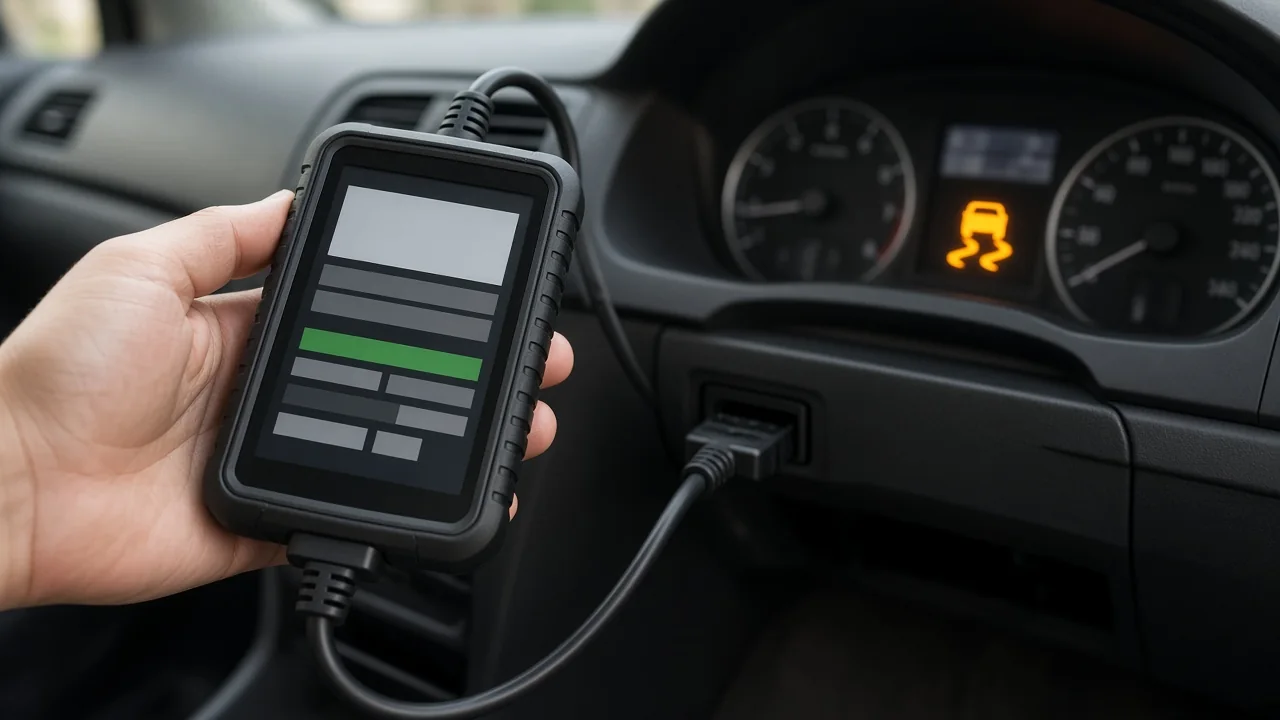
A C0545 code can leave a driver staring at a warning light with no clear explanation. This chassis diagnostic trouble code does not have one universal meaning, and the same is true for the adjacent C0544. Depending on your vehicle, the stored code may refer to different systems, sensors, or modules. Before replacing any part, you need to confirm the exact manufacturer-specific code definition for your make, model, and year. The following sections explain what these codes can indicate, which symptoms may accompany them, and how to approach diagnosis without making unsafe assumptions.
What the C0545 Code Means and Why the Definition Depends on Your Vehicle
The C0545 code belongs to the chassis category, but its description varies by manufacturer. One brand may use it for a steering angle sensor circuit fault, while another applies it to a yaw rate sensor or a stability control module issue. Generic code lists often oversimplify this, so the text displayed by a scan tool with manufacturer-specific software is what actually counts. Always record the exact wording shown, including any subsystem or sensor name, before you interpret the fault.
A vehicle-specific service manual or dealer-level diagnostic tool is the reliable way to confirm the definition. The same numeric code can point to different circuits, voltages, or communication states depending on the control module that stored it. Without that confirmation, any repair guess is risky. Treat online lookup results as a starting point, not a verdict, and verify against official information for your particular model and module.
Understanding C0544 and How It Relates to C0545
C0544 is equally manufacturer-dependent and may or may not share a system with C0545. Adjacent code numbers sometimes appear together because they monitor related signals or circuits, such as two wheel speed sensors or two sides of the same stability control subsystem. However, there is no universal rule that a specific pair indicates one fault. You should check both codes against vehicle-specific definitions before assuming any relationship.
When both codes are stored at once, it can suggest a common cause such as a shared power supply, ground, or communication bus issue, but it does not prove one. If only one appears, the fault may be isolated to a single circuit or component. Regardless of the combination, note the full code, its status as current, history, or pending, and which module reported it. This information guides accurate diagnosis instead of guesswork.
Warning Lights and Driving Symptoms That May Accompany These Codes
Dashboard indicators that may accompany C0545 or C0544 include the ABS warning light, stability control warning, traction control light, or a steering-related message. The exact combination depends on which system the fault affects. Some drivers see only a stored code with no visible change, while others notice reduced stability or traction assistance. Do not assume your vehicle is unaffected simply because no light is on.
Any change in braking, steering, or stability behavior is serious, even if it seems minor. If the brake pedal feels different, the steering becomes heavy or loose, or the vehicle pulls under braking, stop driving and have it inspected. Note when symptoms appear, such as at startup, during turns, over bumps, or in wet weather. That detail helps a technician reproduce and isolate the fault more quickly.
Common Categories of Causes Behind a C0545 Code
Possible cause categories for a C0545 code include wiring or connector problems, sensor faults, low or unstable system voltage, and control module or software issues. Wiring harness connectors can corrode or loosen, especially near wheels or suspension components. A weak battery or failing alternator can create voltage drops that make sensors read out of range. Software glitches or missing updates are another broad possibility, but none of these can be confirmed by the code alone.
Recent work, collision damage, battery replacement, or water exposure is relevant context to share with a technician. Even a seemingly unrelated repair can disturb a connector or harness routing. If the code appeared after such an event, mention it clearly. The actual cause must be confirmed by testing circuits and signals against the manufacturer's specifications. Replacing a sensor or module based only on the code number often wastes money and leaves the real problem untouched.
Safe Checks You Can Do Before Visiting a Shop
Before visiting a shop, you can safely record every stored code from all modules, not just the engine or chassis controller. Write down the code, status, and the module that reported it. Check the battery voltage with a simple multimeter if you have one, and visually inspect accessible wiring for obvious damage like chafing, corrosion, or loose connectors. Do not unplug or probe anything without proper service information.
Clearing codes before recording them erases freeze frame data and status flags that a technician needs. If you clear the code and it returns immediately at the next key cycle, that often points to an electrical fault present at startup. If it returns only after driving, the issue may be road-speed or movement dependent. This timing is useful information, but it does not identify the exact component, so leave deeper testing to a professional.
When Professional Diagnosis Is Needed and What to Expect
Chassis systems directly affect vehicle safety, so persistent codes or warning lights warrant professional testing. A technician may use a scan tool to view live data from sensors, check wiring circuits against specification, and search for technical service bulletins or software updates. These steps go far beyond reading a code and can isolate the fault without unnecessary part replacement.
After repairs, some systems require calibration or setup procedures with specialized equipment, such as steering angle sensor initialization or stability control relearns. Ask the shop to explain the confirmed cause and show test results before approving any repair. A reputable shop will describe which circuit or component failed and why, giving you confidence that the fix addresses the real problem rather than just clearing a code.