C0387, C0392, C0396 and C0398 Chassis Codes: Meaning, Causes and Next Steps
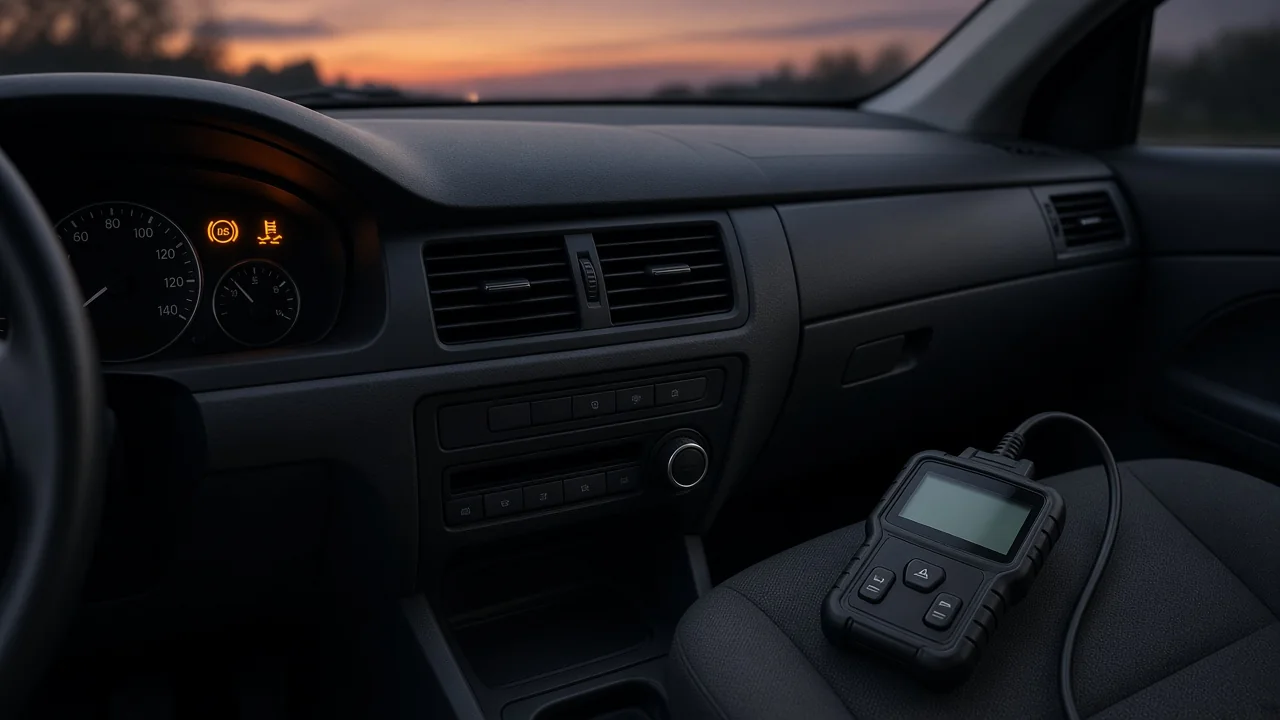
A chassis diagnostic trouble code starting with C means the vehicle’s stability, traction, or anti-lock braking system has flagged an anomaly. Codes like C0387, C0392, C0396, and C0398 are not universal; each manufacturer assigns its own meaning to these alphanumeric identifiers. Without the correct vehicle-specific definition, the code is just a starting point. This article explains how to interpret these chassis codes, what symptoms may appear, and the diagnostic steps that lead to a reliable repair.
How C-Series Chassis Codes Work and Why C0387–C0398 Meanings Vary
The C prefix in OBD-II diagnostics identifies chassis systems—parts that manage how a vehicle moves, stops, and stays stable. That includes ABS, traction control, stability control, steering angle, and suspension components. A code like C0396 does not automatically point to a bad wheel speed sensor or a failing ABS control module. The same code number can correspond to completely different circuits, sensors, or software issues on different makes and models, so the manufacturer’s definition is essential before any diagnosis begins.
Many generic scan tools can read only the standardized powertrain codes and show a vague description or nothing at all for chassis codes. A professional-level tool that accesses manufacturer-specific modules may reveal the exact code definition, sub-codes, and freeze frame data. The vehicle’s service information or a technical service bulletin may also clarify whether the code is historical, current, or related to a known software error. Guessing from the code number alone leads to unnecessary part replacement.
C0387: What to Check Before Assuming a Cause
C0387 is manufacturer-defined, so the same number could mean different things on a Chevrolet versus a Toyota versus a BMW. Before interpreting it, record the full code details from a capable scan tool: the code itself, any status flag such as current or history, the module that stored it, and any sub-codes or additional data. This information tells a technician whether the fault is active now, happened once under specific conditions, or was stored after a low-voltage event.
A stored chassis fault may trigger an ABS warning light, traction control light, or stability control warning on the dash, but not every code does so. Braking performance may still feel normal even with a warning light on. The real problem could be a damaged wiring harness, connector corrosion, a failing sensor, or a module that lost communication intermittently. The same code number can point to entirely different systems on different brands, so vehicle-specific lookup is the first step in any accurate diagnosis.
C0392: Reading the Code in Context
Like other codes in this range, C0392 has no universal meaning. The exact definition is set by the manufacturer and may vary between model years. A technician checks the service information or a dealer database to see what circuit or component the code references on your vehicle. The conditions when the code set matter just as much as the code itself. If it appeared after a jump start, during wet weather, or after suspension work, that context narrows the possible causes before any parts are removed.
Chassis faults generally come from a few broad categories: wiring or connector problems, sensor faults, low system voltage, or module communication faults. But which of those applies to C0392 on your car cannot be assumed. A code number is not a diagnosis. Replacing a wheel speed sensor or ABS module based on the code alone often misses the actual fault, such as a corroded connector or chafed wire. A structured diagnostic process uses the code as a clue, not a conclusion.
C0396: Symptoms, Warning Lights and Safe Observations
C0396 is a manufacturer-specific code, so its meaning must be confirmed for your exact vehicle, year, and engine. Owners can still gather useful observations before taking the car in. Note which warning lights are on the instrument cluster: ABS light, traction control light, stability control icon, or a general service light. Watch whether they stay on constantly, flash intermittently, or appear only after driving a certain distance. Also pay attention to any change in normal braking, steering effort, or the feel of the stability system kicking in.
When a chassis code is stored, the vehicle may disable the ABS or traction control function while leaving the base braking system operational. So normal stopping power usually remains, but ABS may not activate on slippery roads. Any change in brake pedal feel, pulling to one side, or a hard or soft pedal is a serious safety concern and needs immediate professional inspection. Write down when the symptom happens—cold starts, hot weather, after turning the wheel fully—so the technician can reproduce the fault and read live data at the right moment.
C0398: Related Codes and Diagnostic Priorities
C0398, like its neighbors, depends on the manufacturer’s definition. One brand may use it for an ABS pump motor circuit, another for a steering angle sensor plausibility error. Before any diagnosis, confirm the exact meaning. A full scan of all modules often shows more than just C0398. Network communication codes starting with U, or powertrain codes starting with P, can affect how the chassis modules behave. If a wheel speed signal is lost because the engine control module has a fault, fixing the chassis code first is pointless.
Multiple chassis codes stored at once often point to a common cause: low battery voltage, a poor ground connection, or recent electrical work. A weak battery during cranking can drop system voltage below the threshold that the ABS module needs, setting several communication or circuit codes. Similarly, a loose ground strap or a connector left unplugged after repairs can light up the dash with multiple warnings. Clearing the codes without addressing that underlying condition will only result in the same codes returning on the next drive cycle.
When to Get Professional Testing and What Repairs May Involve
Confirming the cause of any of these chassis codes usually requires equipment beyond a basic code reader. A shop will use a scan tool capable of reading live chassis data, such as individual wheel speed sensor outputs, steering angle voltage, and module communication status. They will also pull up the wiring diagrams and manufacturer test procedures. Typical diagnostic steps include verifying the exact code definition, inspecting the wiring harness and connectors for corrosion or damage, checking sensor signals against known good values, and looking for technical service bulletins or software updates that address the code.
Brake, ABS, and steering systems are safety-critical. Owners should not attempt hydraulic brake line repairs, module replacement, or airbag-related work themselves. A professional diagnosis leads to a targeted repair, which could be as simple as cleaning a connector or as involved as replacing a control module. The cost and scope depend entirely on the confirmed cause and the vehicle. There is no single typical fix for C0387, C0392, C0396, or C0398, and any shop that quotes a repair before testing is guessing.